









15 August 2026 - 8:00pm
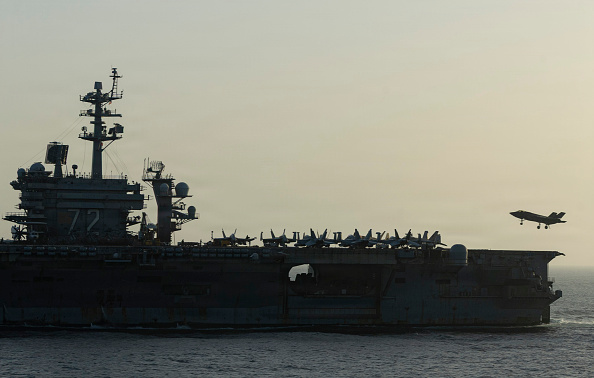
Poor conditions on the USS Abraham Lincoln aircraft carrier have rocked US media and military circles this week. Distraught family members have described the precarious mental health of their loved ones at sea, referencing depressed and suicidal messages back home. At least one sailor jumped overboard but was rescued.
This ship and its 5,000-strong crew and air wing had expected to be back home in June. But their deployment has now reached 267 days. During that time they’ve had only a one-day liberty port call in Guam, with 245 days passing since they stepped off the ship. Flight operations relating to the war in Iran and monitoring of the Strait of Hormuz have been relentless.
A carrier is cramped, its workload intensive, and stress is high at the best of times. But amid damaging Iranian attacks on a key logistics hub in Bahrain, resupply efforts have faltered. Reports suggest the crew is grappling with mould-ridden showers, broken toilets, delays in mail packages from home, and shortages of necessities such as toothpaste and antiperspirant. Food supplies have also been restricted, leading to photos of undesirable, paltry meals.
While the USS George Washington carrier is now sailing to replace the Lincoln, it will take more than a week to arrive. The Lincoln will then need to make the two-to-three-week transit back to its Pacific Coast port (the ship is about to change home port, adding to frustrations by family members over housing relocation concerns). All of this means the crew isn’t going to be home for at least another three or four weeks.
The Trump administration deserves heavy blame. When asked about the plight of the Lincoln’s crew this week, the President petulantly said the deployment had been “not nearly long enough”. This disdain for young sailors working 12- to 16-hour days without respite is antithetical to good leadership. And Trump has set the initiative. Secretary of War Pete Hegseth claimed, contrary to the evidence, that the crew has been provided with everything they need. Acting Secretary of the Navy Hung Cao has similarly failed to assuage concerns, denying food shortages by absurdly asserting that “meal plans were adjusted when fresh resupply was unavailable, without a single meal being missed.”
That said, it is arguable the ship’s commanding officer Captain Daniel Keeler and the carrier strike group commander Admiral Todd Whalen should have raised stronger alarm bells in the Pentagon. Perhaps they did. But challenging the can-do demands of senior naval leadership is a risky gambit for aspirational officers.
Ultimately, there’s a broader problem here. The Navy doesn’t have enough aircraft carriers to effectively manage both America’s preeminent national security concern, deterring a Chinese attack on Taiwan, and high-intensity operations in the Middle East. Indeed, the George Washington is being pulled from its normally fixed Pacific operating area to relieve the Lincoln. The Joint Chiefs of Staff should have highlighted this resource misalignment to the Trump administration. It has been well-understood for years now.
A reckoning will now follow. Considering the highly predictable damage this war has done to both naval and munitions-related deterrence of China, Congress should ask tough questions of Hegseth, as well as Chief of Naval Operations Admiral Daryl Caudle. More specifically, it should ask whether more foresight and forward planning could have mitigated these issues
At a minimum, however, the sailors aboard deserve sympathy and gratitude, not the scorn of a President whose ego has dragged them into a war the US cannot escape.
