









5 October 2026 - 6:45pm
The first shots in the 2028 GOP presidential primary have already been fired, and the battle is bigger than who occupies the White House for four years. It’s about whether the American Right swerves from its modern iteration, forged during the Cold War.
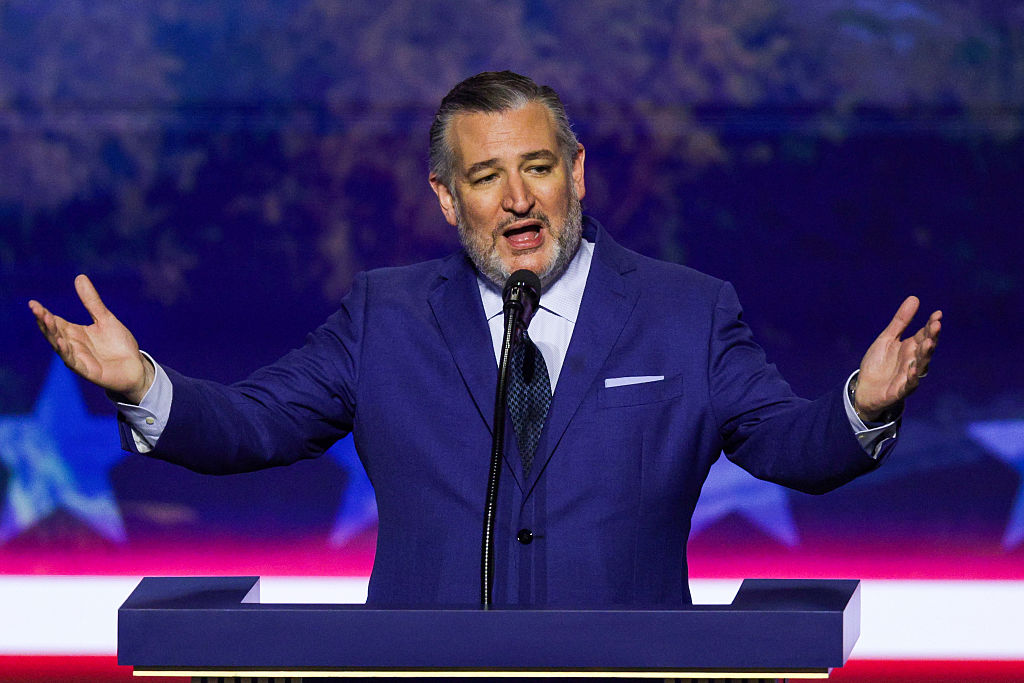
Over the weekend, Vice President JD Vance took a gentle swing at Sen. Ted Cruz, claiming it was “obvious” that the senator was eyeing up a White House run in 2028. Cruz hit back and said that Vance was “insecure”. This should be interpreted as an opening salvo in the post-Trump tug-of-war between the old Right and new Right. Not only are both men both likely to run for the presidency, but they represent opposing factions in the party.
In some ways, this will be a battle for the soul of the party. If Vance succeeds, the GOP’s populist turn under Trump will be further entrenched. If Cruz wins, it will mark a return to the status quo ante. Though he’s dutifully supported Trump’s tax cut bill and Iran war, the VP rose to prominence as a critic of the Republican consensus — precisely the “fusionist” coalition Cruz believes must be defended vigorously.
Fusionism, understood as the marriage of social conservatism with fiscal conservatism and neoconservatism, is what the self-described postliberal Vance believes destroyed Republicans after the Cold War ended. This alliance, the VP and his allies argue, sacrificed social conservatism on the altar of libertarian economics and endless wars. It compounded the country’s position in the Middle East, offshored jobs to China for the sake of shareholder value, and deferred to the Chamber of Commerce on culture-war battles such as transgender ideology.
Cruz’s argument is that correcting these errors does not require throwing the fusionist baby out with the bathwater. Vance argues these two sets of beliefs are mutually exclusive. This is why it’s no surprise the pair are already locking horns in 2026.
Marco Rubio, seen by Cruz’s camp as an unreconstructed hawk, dabbled in postliberal ideas ahead of his tenure in Foggy Bottom. He delivered speeches sketching out “common good capitalism” and authored a book on the rot of modern “decadence”. The Secretary of State has indicated he won’t run if Vance does, and is an ally of the Vice President. This is an uncomfortable reality for Cruz and his supporters who perceive Rubio as a bulwark against creeping Right-wing “postliberalism” because he is a defender of Israel.
Rubio’s flirtation with the “national conservative” camp, however, underscores the broader problem for Cruz. If his argument is that Vance’s anti-fusionist beliefs are not merely a moral error but politically toxic, then he’s clearly incorrect. On a policy level, Republicans are not in lockstep with the fusionist coalition’s support for slashing the social safety net and the war with Iran.
Whether Trump represents the old Right or the new Right is very much up for debate. The “no new wars” president who campaigned against Big Tech is now mired in a new war and has fully cosied up to Silicon Valley. This is why Cruz senses an opening to take on the earlier version of Trumpism that Vance once clearly exemplified.
Smarting from his 2016 loss, Rubio questioned his own priors for good reason. He realised Republican voters weren’t a caricature of Reagan-obsessed free-market fundamentalists. Cruz is certainly willing to believe in fusionism and try to make the argument for it, but he’s not likely to find success. When you zoom out, even GOP primary voters have more in common with Vance when it comes to vibes and policy.
