







 Prefer us on Google

30 Oct 2026 - 7:00pm
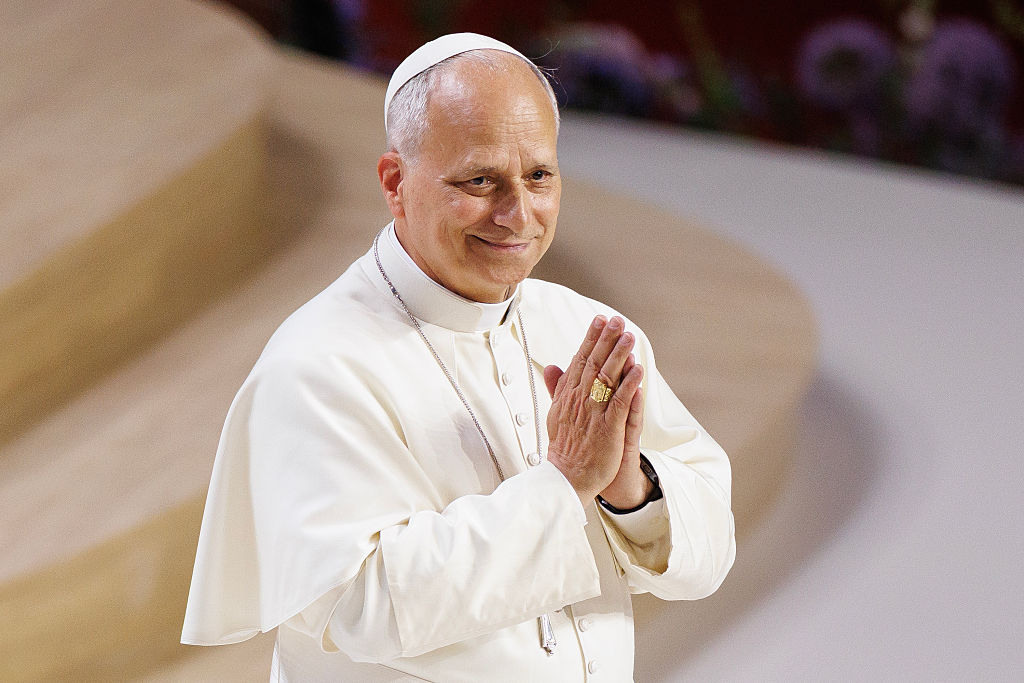
On Wednesday, ahead of Leo XIV’s trip to South America next week, the head of Argentina’s episcopal conference offered a surprising analysis of the three-country apostolic visit: “He comes as a pastor and as Peter’s successor, not as a political actor.”
Such a statement should be self-evident for a papal trips. But Archbishop Marcelo Colombo’s comments highlighted the fraught politics of the Pope’s first trip to the Americas since his May 2025 election. It also comes in the context of the complicated relationship of Leo’s predecessor, Pope Francis, with his home country.
Francis never returned to Argentina after his 2013 election. His absence was at times attributed to the grieta or “crack” which splits Argentina between Peronists and non-Peronists, based on the ideology of the country’s former president Juan Perón. Critics lumped Francis into the former group for his social justice advocacy, viewing him as more politician than pastor, and giving any papal visit a potentially complicated political dimension. Libertarian President Javier Milei, meanwhile, won office in 2023 amid a period of economic crisis after branding the then-Pope a “communist”.
Now the American-born Pope Leo travels to Uruguay, Argentina and Peru, arriving in Montevideo on 6 November. It’s a journey billed as a homecoming for a man who twice served as an Augustinian missionary in northern Peru and was Bishop of Chiclayo for eight years. But it will be impossible for Leo to avoid messy politics — apart, perhaps, from in Uruguay, where the Left currently holds power and over half the population professes no religion at all.
Commentators have feted Leo as the “anti-Trump” for his clashes with the White House on a suite of issues, including the Iran war and immigration. The upcoming trip, however, follows a political swing to the Right across Latin America over the past two years — with the streak only snapped last Sunday in Brazil — as countries have repeatedly elected candidates openly aligned with Donald Trump. This includes the embrace of policies such as curbing migration and confronting drug cartels (with US assistance), as well as the construction of megaprisons.
Milei, who would later call Pope Francis “the most important Argentine in history”, has enthusiastically welcomed Leo’s trip to Argentina, though his ties with the country’s Catholic leadership appear distant. Much of the discontent emanating from Church leaders has centred on the President’s austerity policies, which they say have left elderly and disabled people struggling to make ends meet.
The Vatican has scheduled a visit to a Catholic-run care home for severely disabled children — an appearance which offers a chance to voice Church discontent with social funding. “The man arriving will be somewhat uncomfortable for the government,” according to political commentator Carlos Pagni. “The Vatican is requesting information regarding poverty, economic activity levels, unemployment, and so on. It’s a visit that if I were Milei, I would prefer not take place.”
Pope Leo’s trip culminates in Peru, where his popularity dwarfs that of the country’s discredited political class. While not especially outspoken, he has stood firm against the Shining Path, the Maoist insurgency that terrorised Peru in the Eighties, as well as the excesses of the response from President Alberto Fujimori, who crushed the group in the Nineties. “He consistently took a critical stance against the more authoritarian tendencies in Peruvian politics,” Jesuit Father José Luis Gordillo, a priest in Peru, told me of the then-Bishop Robert Prevost.
Fujimori’s daughter Keiko became president on a law-and-order agenda earlier this year. Under her leadership, Peru last month joined the Trump administration’s anti-drug cartel initiative, the Shield of the Americas. But her popularity is already sliding over familiar issues such as crime and inflation, along with the government response to the El Niño climate phenomenon. It’s likely Pope Leo will take critical stances again, setting up an occasionally uncomfortable trip back to Latin America — with a message for leaders beyond the region.