









October 26 2026 - 9:30am
After a string of victories for the Right, that have left South America ruled almost without exception by leaders aligned with Trump’s America, Brazil has halted this trend in the most improbable manner. The man responsible is Luiz Inácio Lula da Silva, the incumbent president, who after so many firsts across his long political career, now — in his last act — adds another. He is the first candidate since the return of democracy in 1988 to turn the tide between the first round of a presidential race and the runoff.
Lula’s unexpected defeat in the election’s first round earlier this month galvanized a campaign that up to that point had reminded many of the Biden campaign in 2024: complacent, somnolent, resigned. After his success, Flávio Bolsonaro, son of former Right-wing president Jair Bolsonaro (now under house arrest for plotting a coup in 2022), rested on his laurels, and discussed handing out cabinet jobs with the expectation of coasting to victory.
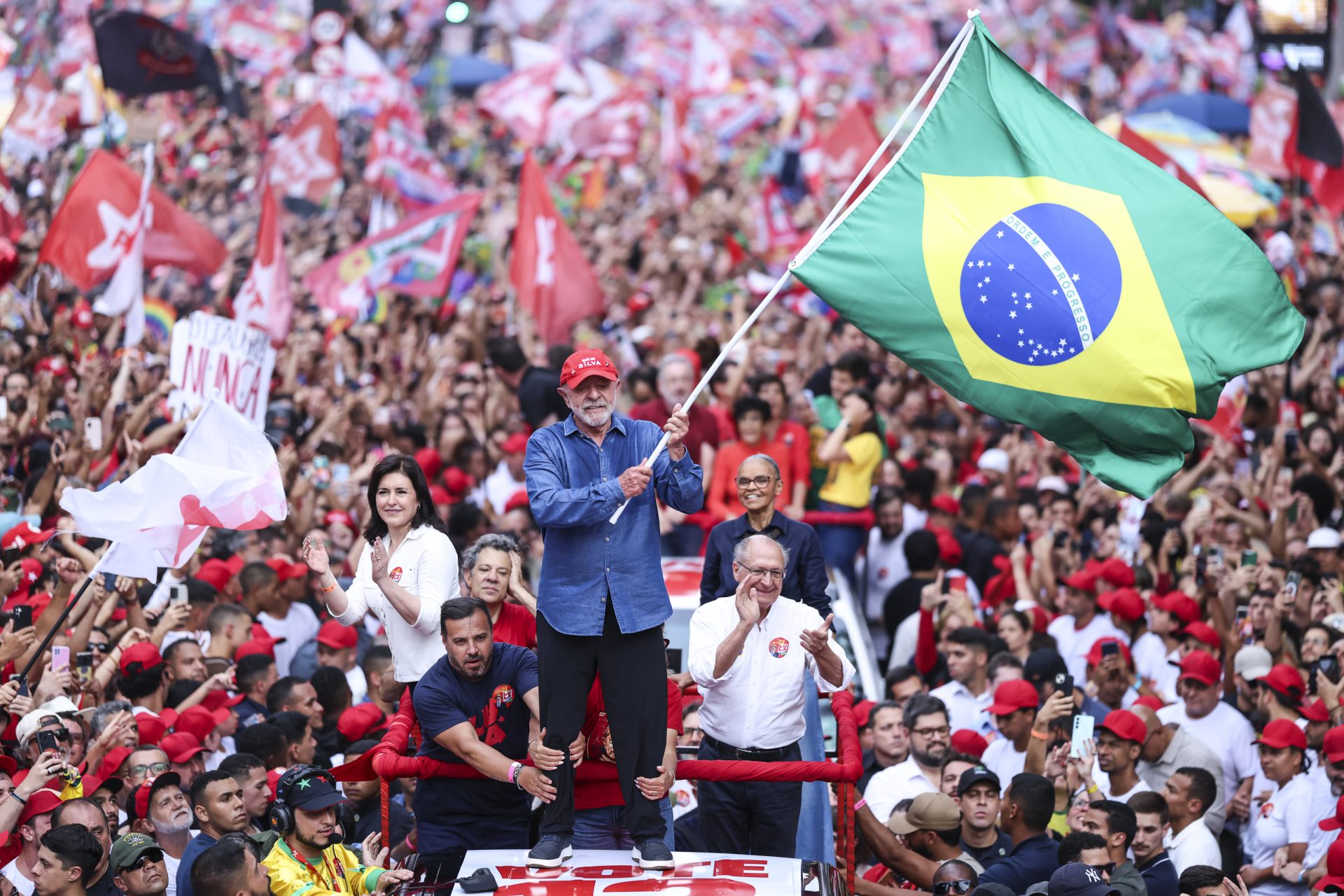
The Lula campaign, meanwhile, went onto the streets and social media with a passion, demonstrating an abundance of vigor that escaped Biden. Massive demonstrations saw supporters of the Left-wing stalwart filling São Paulo’s Paulista Avenue and Copacabana Beach in Rio de Janeiro. The campaign created a WhatsApp channel, “Lula’s Army”, that boasted 10 million members by the eve of the election. It also adopted a top-down organization style, complete with military metaphors, that proved effective against the organic dispersal of Right-wing channels. Alongside extra election-time goodies, like early cash-transfer payments, the campaign came together to deliver a shocking virada, or turnaround.
Victory did not come easy, however, but followed a chaotic and almost disastrous election day, during which Lula’s campaign protested against suspicious delays in public transportation in 10 states — a rehash of a similar plot to stop buses of Lula voters in the 2022 election. Cristiano Zanin, a Supreme Court judge, ordered voting to be extended for two hours. But many polling places had already closed up shop when the decision came down, and found themselves unable to reopen.
The decision has already attracted criticism from the Right in Brazil and abroad. Donald Trump may use it as a pretext to refuse to recognize the result. But it is worth remembering that Bolsonaro’s campaign also requested an extension — on account of bad weather in a few Right-wing strongholds. In the end it was likely immaterial: Lula’s margin appears large enough that the relatively small number of voters who cast their votes during the extension period are unlikely to have affected the result. Meanwhile, Bolsonaro refuses to concede defeat.
The result is unexpected and historic, not just in Brazil but globally. After 10 years of paralleling the fate of the US on a two-year lag — from Jair Bolsonaro’s 2018 election, to the attack on Brazil’s government buildings two years after January 6, to the return of Lula — Brazilian voters changed their mind and decided against the return of the hard-Right to the presidential palace. With elections looming in the US and Israel, and later in France and elsewhere, this result — in tandem with that in Hungary earlier this year — may end up being remembered as the moment the global reactionary wave broke.
Cheers of “olê, olê, olê, olá, Lula, Lula” are resounding across neighborhoods in Rio today. After they die out, Lula will take office for a fourth term with powerful enemies in the capital in Brasília. He may have won, but many of his down-ballot allies were wiped out by the Right. A Right-wing majority in the Senate and a large bloc of Right-wing Liberal Party deputies in the House will make his final term in office even more straitened than the last. An impeachment bid is already discussed in some circles. Add to this possible attacks from a displeased Washington, and pressure from markets for spending cuts, and you have a recipe for a valediction sure to be anything but comfortable.
It remains to be seen whether Lula’s win will be remembered as the moment the tide turned for a Latin America wishing to chart its course free from the US — or whether it is a brave last stand. The Brazilian Left, at least, will be hoping Lula can use these last years in power to produce the one thing he has always withheld over the course of five decades: a worthy successor.
Nick Burns is associate editor at The Hedgehog Review and was previously editor at Americas Quarterly.
 NickBurns