









28 March 2026 - 4:00pm
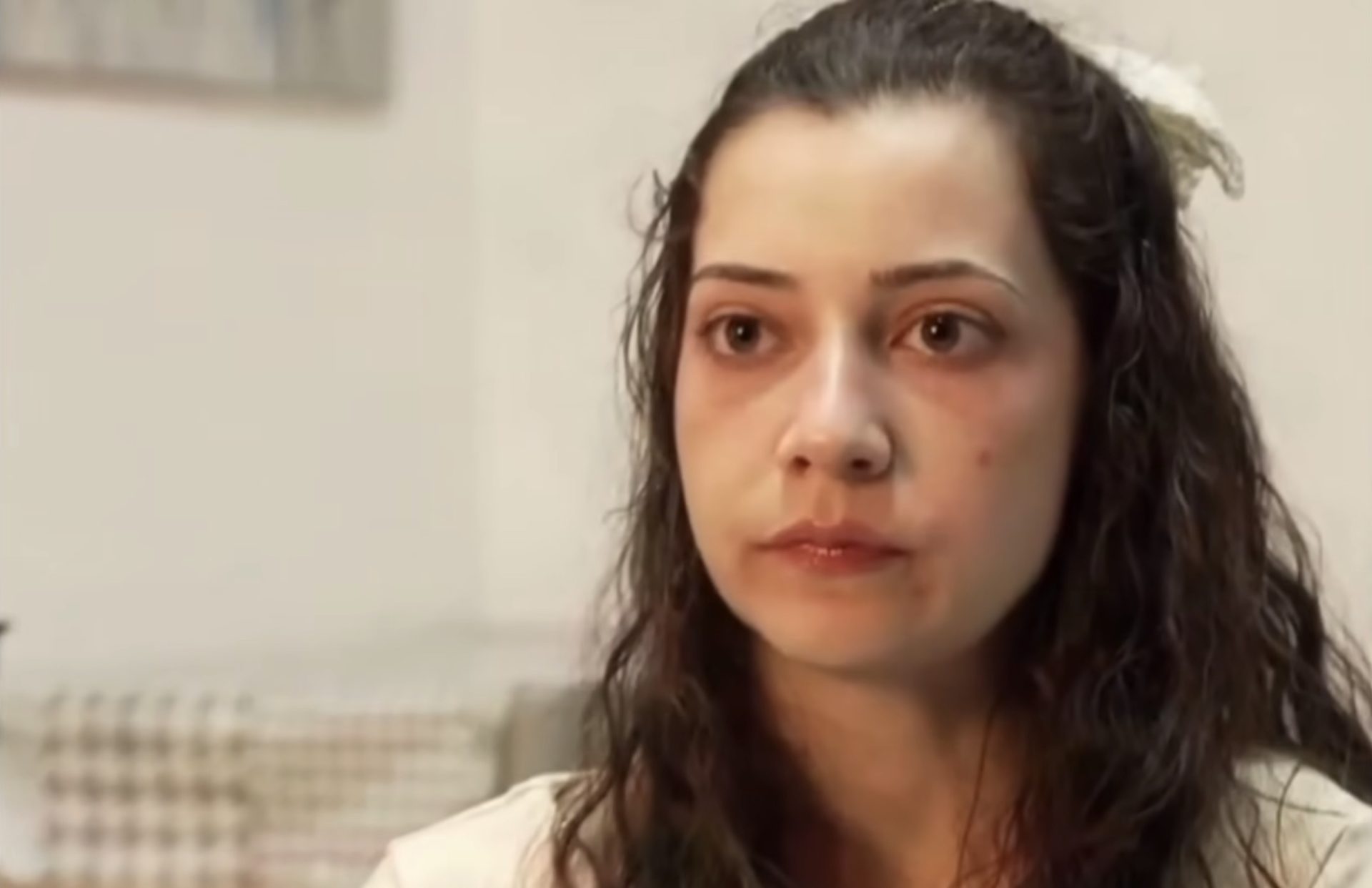
Everyone failed Noelia Castillo. She came from a broken family. At the age of 13, she was put into state care. She was raped at least three times, once by a partner and twice by groups of men. In 2022, she attempted suicide a second time by jumping from a fifth-floor window, but instead of killing her it left her paraplegic. She was also mentally ill.
Now, the Spanish state has finished the job. On Thursday, Castillo died by euthanasia, in all likelihood receiving via intravenous injection a lethal cocktail of three drugs, not very different from what is used to execute convicts in America. Before she died, she had harsh words about her father, whose villainy extended to raising legal challenges so that his child might not die. After her death, her organs were reportedly harvested for transplant. She was 25 years old.
I suspect that even among supporters of euthanasia, not many outside of those who work for organisations such as Dignity in Dying are entirely at ease about Castillo’s demise. Yet, as Kathleen Stock has observed, few of them would be able to articulate what exactly is wrong with this picture.
True, Spain failed Noelia, but that’s no reason to stop her from using her autonomy. True, she was young, but she was an adult who could use her autonomy. True, many people who are confined to wheelchairs have normal lives, but autonomy. The pain her death caused to her family? Autonomy. When you have one big moral hammer, everything can be swept away with the a-word.
Spain’s legal framework for euthanasia isn’t even that radical compared to those of other countries which have legalised the practice. Euthanasia for mental illness alone is available in Belgium, the Netherlands, and Canada from 2027. In the first two countries, children can also be euthanised; in The Netherlands, this extends to newborns. In 2024, 219 people whose main or only condition was mental illness were euthanised in the Netherlands.
The truth is that to believe in euthanasia and assisted dying while not being a moral nihilist requires believing in three contradictory ideas before breakfast. Suicide prevention is good, unless the suicide gains the approval of doctors. The lives of the disabled have equal dignity to those of the non-disabled, but being in a wheelchair is grounds for the state to put you to sleep permanently. Our society’s treatment of the poor and the vulnerable is shameful, but we cannot consider these things when it comes to their decision to kill themselves.
Most supporters of assisted suicide and euthanasia cannot square the circle, which is why they either focus on autonomy or simply deny that this sort of case happens. Not long ago, I remember a law professor arguing angrily that it was impossible that Canada should have legalised euthanasia for people in wheelchairs. Nothing would change his mind, not even the text of the statute. He has since gone quiet on this subject: it’s probably easier that way, too.
The thing with moral decay is that it happens slowly, then quickly. Assisted suicide will start with the likes of Dame Esther Rantzen, public figures who are fully in control of their lives. And it will end with the likes of Noelia Castillo, whose life was an indictment of her country and whose death has been reinvented into a touching story of a young woman’s empowerment against the obscurantists who don’t think that the solution to state failure is to kill its products. So that a rich woman does not have to fly to Switzerland to spend her last days, we are told to tolerate moral horrors beyond our imagination.
