









31 August 2026 - 8:00am
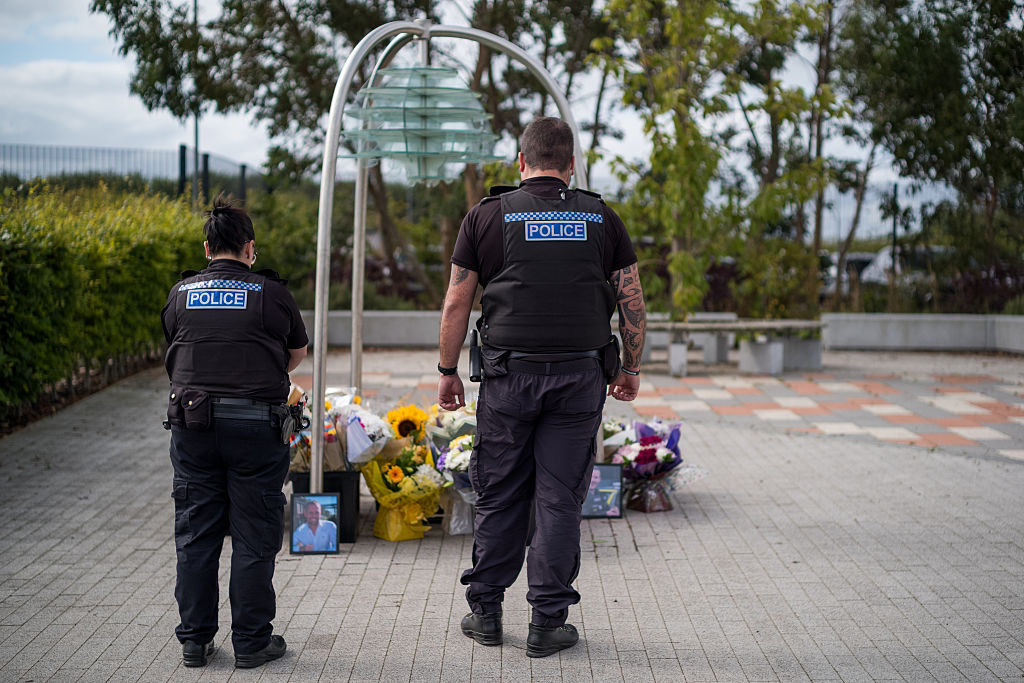
Should Cleveland, the police force struggling to contain Middlesbrough’s latest crime spree, be disbanded? The deaths of seven men, including two police officers killed during a police pursuit, exposed a local gang feud. More deaths occurred in a house fire, along with disorder as local youths “commemorated” their dead. As a result, 200 extra officers were sent to assist, including personnel from the National Crime Agency.
Cleveland’s failings have led to some questioning the force’s future. Ben Houchen, the Conservative mayor for Teesside, certainly has. The man due to take responsibility for the force in 2028 told The Times: “Culturally it [the force] is not fit for purpose.” Houchen also mentioned the central government’s role in the force’s performance, citing cuts to funding and personnel. As the Home Office ponders a near-collapse of law and order in the area, it seems easy to blame a small, beleaguered police force. But is this fair?
First, Middlesbrough’s circumstances are hardly unique. Yes, Cleveland Police is a small force of only 1,500 officers — 220 fewer than it had in 2010. It serves a population of 590,000, including a troubled, deindustrialised urban area. The force itself is no stranger to controversy either, as the Ray Mallon affair demonstrated. Mallon, a senior police officer known as “Robocop”, was implicated in a police misconduct scandal before serving as mayor until 2015. An unashamed advocate of zero tolerance policing tactics, Mallon’s tenure saw a significant decrease in crime. Since then, however, police reforms and austerity have both taken their toll.
But this hardly makes Cleveland unique; numerous other, similarly modestly-sized forces police “challenging areas” too. The similarly pocket-sized Bedfordshire Police, for example, has Luton. This, I would argue, isn’t a Cleveland problem: it’s a UK policing problem, with smaller forces sitting on any number of potential powder kegs.
What struck me as especially significant about the Cleveland affair, which resulted in masked police armed with rifles patrolling housing estates, is the relatively modest nature of the gangs involved. These are what the police call “Level 2” crime networks, often involved in county-lines drug gangs. Consequently, cash-strapped police forces are no longer capable of running proactive operations against such criminals. Nor do they have the neighbourhood policing or local intelligence capabilities to identify emerging threats.
Instead, officers provide largely reactive policing from remote patrol bases, surrendering the streets to the gangs who thrive in Middlesbrough’s troubled housing estates. Again, though, the same could be said of many British police forces, now reliant on regional units to manage such modest manifestations of “organised” crime. These units are also hard-pressed, leaving what one might politely call “capability gaps”, which in plain English means “doing very little”.
Therefore, calling for Cleveland Police’s disbandment strikes me as unfair. Imagine halving a football club’s team, sacking its coach, relocating it to a smaller stadium then scrapping it for failing to win the League Cup? This is what, in effect, Ben Houchen is advocating. As debates continue around a “mega-force” model bolstered by a national police service, local constabularies are collapsing. Meanwhile, Britain’s criminal justice elites continue to indulge their delusions in non-custodial sentencing. Prisons are as poorly managed as the police force, as are the courts and probation services. This is full-spectrum failure, from nose to tail. Merging a failing force with two other similarly struggling forces isn’t a solution. Arguably, it’s a kind of displacement activity of the sort civil servants excel at.
This year has seen law and order firmly back on the political radar, although the Prime Minister — and an increasingly AWOL Shabana Mahmood — seem strangely quiet on the issue. Until the Government grasps the nettle of a police strategy led by reality rather than dogma, expect to see more Middlesbrough-style dramas play out across the UK. There are no “extra” police officers to help, either, with forces robbing Peter to pay Paul as they shuttle existing resources around the country. What happens when they, finally, run out of coppers?