









8 May 2026 - 7:30am
The initial overnight local election results confirm that the fragmentation of British politics is in full swing. With about a third of council elections declared, a clear trend towards the breakdown of two-party politics has emerged. There is little joy for the Conservatives or Labour in these first results, while Reform UK, the Green Party and the Liberal Democrats each look set to have triumphs to celebrate.
Electoral geography and political systems mean the results are not as spectacular as last year. In many places, just a third of council seats were up for grabs. This has prevented the big sweeps witnessed in 2025. Instead, all but one of the councils declared so far have passed into No Overall Control, many for the first time in their history.
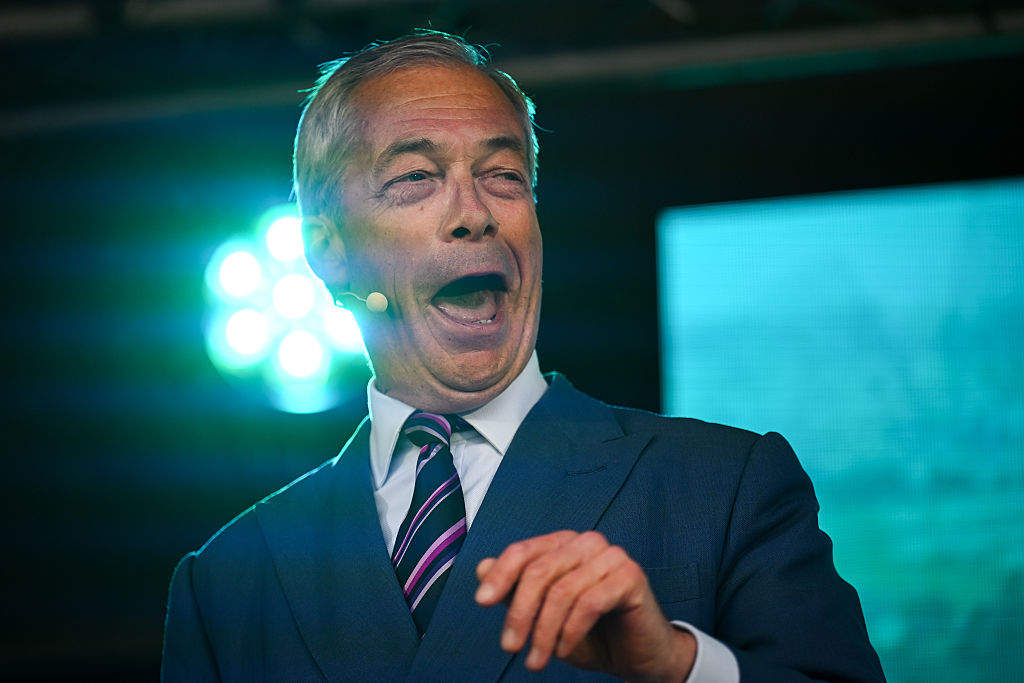
Reform’s advance across Northern towns looks set to establish it as a properly national party for the first time. When these seats were last contested, Reform was still just emerging. But in places such as Wigan, Hartlepool and the Midlands, Farage’s party has won huge chunks of the available seats. Knocking these councils into NOC status is perhaps the perfect result: establishing a strong presence without the pressure of taking on full responsibility for administration.
In the South, Reform has made similar inroads in more of the Tory heartlands. In some Essex towns, including Basildon and Colchester, the party hasn’t unseated the Conservatives but has instead swept away the opposition. At this early stage, it’s unclear just how the Reform vote will fully stack up, but it emerges from these results as an established party, with sitting councillors, across the country.
The early London results perhaps point to the exception. Only figures from the affluent, south-west corner have come in here, a place where Reform is less likely to grow. Instead, the backlash against the mainstream parties has benefitted the Lib Dems, who consolidated their hold on Richmond and Sutton. In Ealing, a slightly more urban council, there was a foreshadowing of what might happen as the rest of the results come in, as Ed Davey’s party shared the spoils with the Greens.
From the early-morning vantage point, there are a few signals of a Green surge elsewhere, too. The party has already gained more seats than it was defending, picking up Labour wards in more cosmopolitan urban areas. The London results will likely reveal major coups for Zack Polanski’s party in the Labour councils it has really targeted.
If there is one overarching story from overnight, it is the decline of the two-party system. Reform has found a foothold as an alternative to Labour and the Conservatives in different parts of the country, solidifying its position. And if the Greens do as well as these initial results suggest, Keir Starmer’s failure against Left-wing opposition could become the dominant narrative by the evening.
Across the country, it is clear that British politics is shifting. The two parties which have dominated the system for more than a century have lost their grip. Fragmentation is in full effect, and the country’s politics is evolving unpredictably into a new system. The old expectations of who could win where are being dashed; on both Left and Right, new electoral forces are emerging. The real question now is whether this is a temporary spasm or a permanent realignment.
John Oxley is a corporate strategist and political commentator. His Substack is Joxley Writes.
 Mr_John_Oxley