









1 August 2026 - 8:00am
When he gave his final speech in front of 10 Downing Street earlier this month, it was noticeable that Keir Starmer spoke as much about his role as leader of the Labour Party as he did about being prime minister. This narrative included his part in saving Labour from both the electoral failings of Corbynism and the antisemitism scandals that had engulfed the party. His critics, however, alleged that this spilled over into the settling of factional scores, and a leadership that struggled to build bridges within the Parliamentary Party. It is not for nothing that Andy Burnham came to power promising to address this culture of infighting.
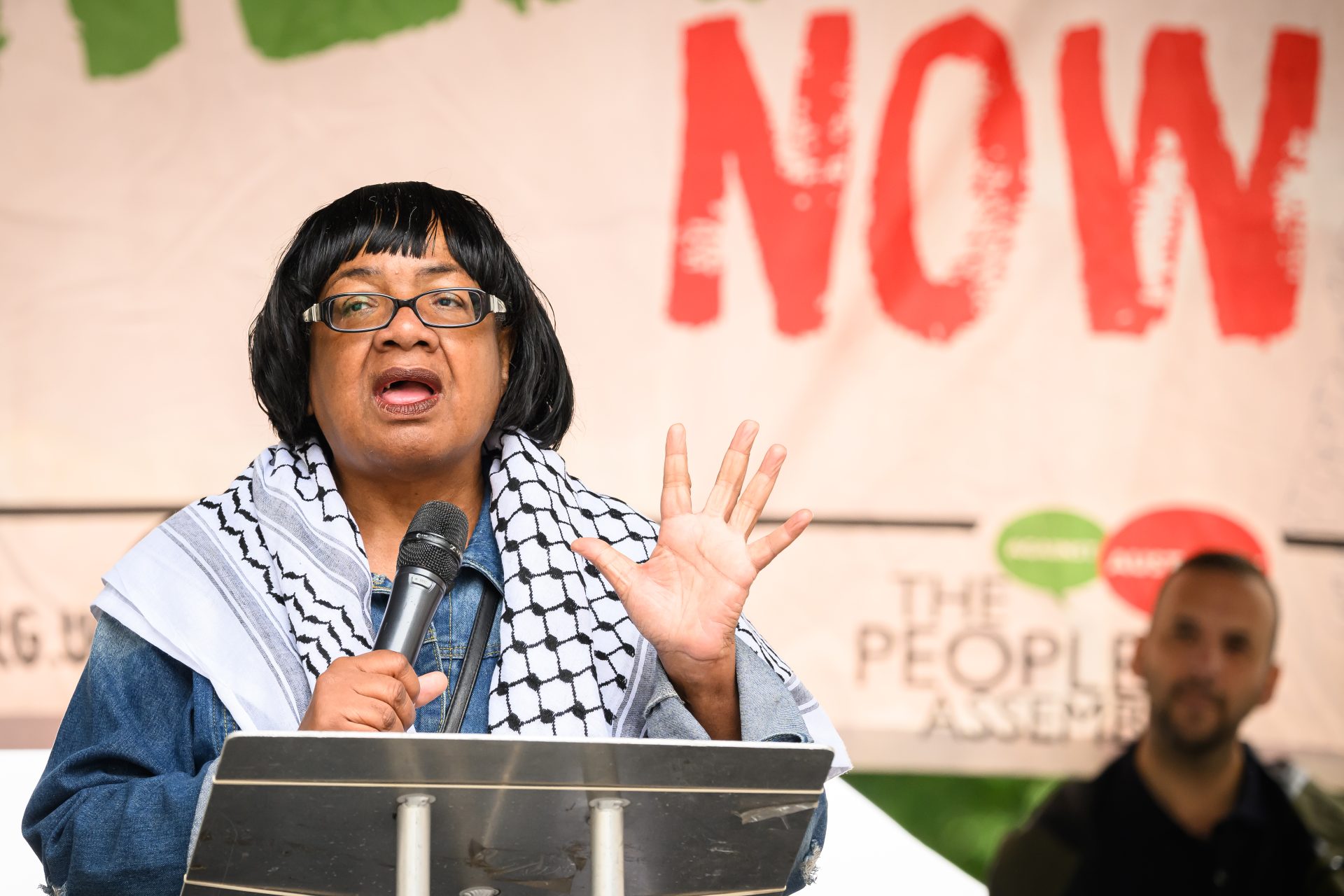
The readmission of Diane Abbott into Labour this week is an attempt to repair the damage. Starmer’s treatment of the backbench MP caused longstanding discord within the party, and when she was stripped of the whip in 2023 it nearly resulted in her deselection the following year. She was allowed to stand after an internal battle, only to lose the whip again in 2025. While the leadership argued her actions justified this, for many on the Labour Left it looked like a vendetta.
Abbott is, after all, something of a lodestar for them. The first black woman elected to Parliament, she has spent nearly half a century advocating for Left-wing causes. Through the New Labour years, she opposed Government policies on ID cards and Iraq, before becoming a central figure in the Jeremy Corbyn project and serving on his front bench for almost five years. Her ability to wind up the political Right was matched by the loyalty she inspired on the Left. Starmer’s actions created serious discord among her allies.
By returning the whip to Abbott, Burnham is seemingly trying to buy off some of the acrimony. It is a sign, perhaps, that he considers the infighting of the 2010s finished. Starmer expended political capital clearing up in the aftermath of Corbyn; Burnham, meanwhile, hopes he can act as peacemaker.
Doing so may be essential to his time as PM. Burnham has inherited a huge majority, but making it work will not be easy. He has been away from Parliament for a decade, and is a stranger to most of the Parliamentary Party. There are hundreds of relationships he must build and foster. The context makes this even more difficult. Many Labour MPs are aggrieved about their offhand treatment from Starmer and his leadership team. They are also worried, with some seeing the rise of Reform UK in their constituencies and others the surge of the Greens. It is a recipe for a restless parliament.
Readmitting Abbott, then, is the political equivalent of hanging an “Under New Management” sign on the front of the Labour Party. It is an attempt to heal the divisions Starmer seemed to cultivate. But it could remain politically tricky. For Reform-curious voters, it looks like a move towards the Left and makes it easy to paint Burnham as a radical. Meanwhile, without real movement on policy, it might not be enough to win back sceptical Left-wing voters who are embracing the Green Party or independent candidates.
Starmer bequeathed Burnham a party much like the one he inherited — struggling with the public, and internally divided. Readmitting Abbott is more of a symbolic move than anything else: a chance to indicate a new approach to the parliamentary politics of the Labour Party. It is a shrewd gesture, but perhaps an empty one. Starmer’s fall showed that voters aren’t interested in the internal squabbles of the Labour Party. They care about whether the Government is delivering for them. Reconciliation with the Labour Left only helps Burnham, therefore, if it paves the way for an effective policy agenda.
John Oxley is a corporate strategist and political commentator. His Substack is Joxley Writes.
 Mr_John_Oxley