









27 October 2026 - 5:30pm
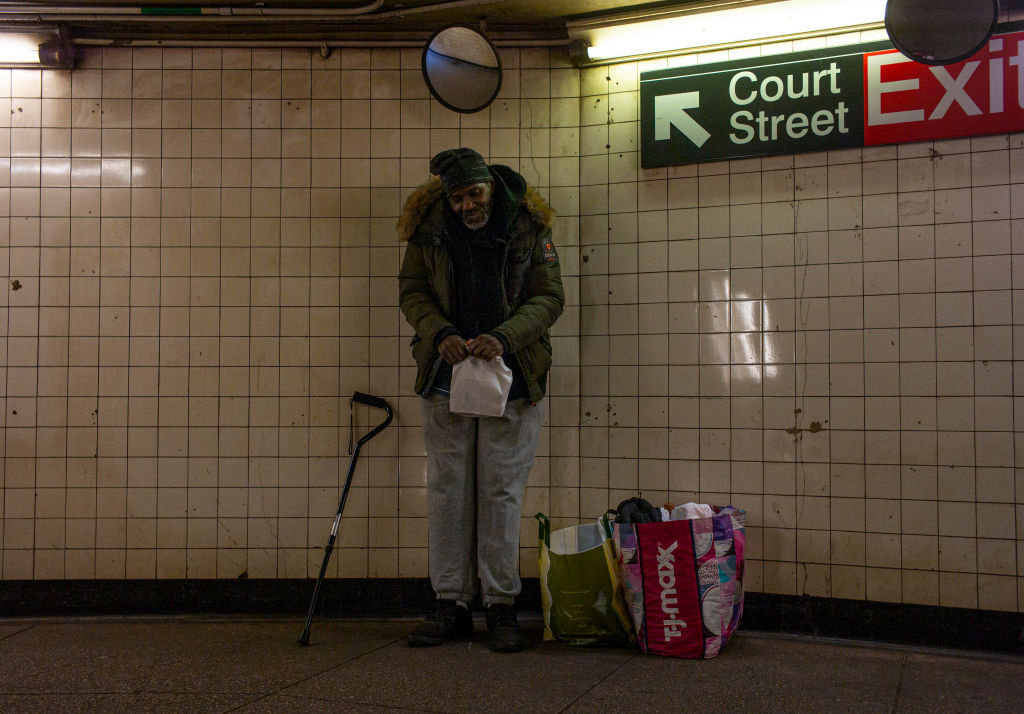
Homelessness is a particularly potent issue in New York City. With so many people relying on public transit, where the unsheltered often congregate, the problem is more visible and immediate than almost anywhere else in the country. Homelessness is a crisis wherever it occurs, but in New York and other major coastal cities, its effects extend well beyond those who experience it firsthand.
Zohran Mamdani, as noted in a recent Wall Street Journal article, has avoided homelessness since becoming mayor. The Journal interviewed several New Yorkers who argued that his inadequate response to encampments “‘does not help the very people it’s saying it’s helping’” and that “‘[t]here’s no consistency, no accountability’”. Mamdani responded by saying that he’s preparing a strategic plan to be published late this year, but political considerations play a part too. The Mayor’s relative silence is part of a broader strategy to keep the focus on affordability, and not on issues such as homelessness and subway violence that don’t play to his strengths.
The bobbing and weaving can’t go on forever, though. Homelessness in New York City is trending in the wrong direction, and the Mayor will have to devise a plan sooner rather than later.
New York’s homeless population, the largest in the nation, can be divided into two sets of categories: sheltered and unsheltered, and families and single adults. The census of single men and women staying in the city’s core shelter system has increased 11% — 2,600 individuals — since Mamdani was sworn in. The single adults in New York’s shelter system are a deeply troubled population, with low employment rates and high likelihood of untreated serious mental illness and addiction. In fact, more seriously mentally ill people are housed in the city’s shelters than occupy psychiatric hospital beds and sit in its jails combined.
As for the officially unsheltered, city government normally tallies this census once each year in the dead of winter. This year’s data was skewed by inclement January weather conditions, which pushed the count back to milder March. But monthly complaints about “encampments” placed via the city’s 311 system are trending just as high as last year, proving that the Wall Street Journal was not simply trafficking in anecdotes.
Mamdani’s policy 10 months into his term, such as it is, has been marked by ambivalence. Soon after taking office, he prudently backtracked on a pledge to stop encampment “sweeps”. At the same time, involuntary transports, as tallied by the city’s Office of Community Mental Health, have averaged 623 per month under Mamdani. That represents a 14% decline compared with the last year of his law-and-order predecessor, Eric Adams.
This raises the question of whether the current mayor appreciates the need for a robust sense of paternalism to ensure that psychotic rough sleepers get the treatment they plainly need. But assuming Mamdani does soon roll out a homelessness plan, the key question is what he will do beyond call for more housing.
Housing is a given in New York politics. Every mayor since Ed Koch has had an affordable housing plan. The number of units dedicated for the homeless — “supportive housing” — has increased by 40%, or more than 11,000, over the past decade. But New York cannot house its way out of homelessness. That’s because of the multibillion-dollar budget deficit, a dearth of unused real estate, and neighbourhoods’ reluctance to host social housing programmes, including in working-class minority communities.
It is also a consequence of the Trump administration’s decision to redirect federal homelessness funding away from housing and towards sobriety and work-oriented programmes. And there is a more fundamental political obstacle: much of Mamdani’s coalition wants affordable housing, but not necessarily housing specifically for the homeless.
Eric Adams, who built record amounts of housing for the homeless, had a great answer to the “beyond housing” question — namely, involuntary treatment. The former mayor called for an end to the “culture of anything goes” and directed staff to proactively identify subway-dwelling, seriously mentally ill individuals to evaluate them for psychiatric hospitalisation. This effort complemented Adams’s housing programme, since some homeless people need a “higher level of care” than a subsidised private apartment can provide. He may have been a flawed mayor, but Adams’s mental health policies were very popular.
A sound homelessness plan addresses the near term, intermediate term and long term. So far, Mamdani has addressed none of these. The clock is ticking.