









11 October 2026 - 1:00pm
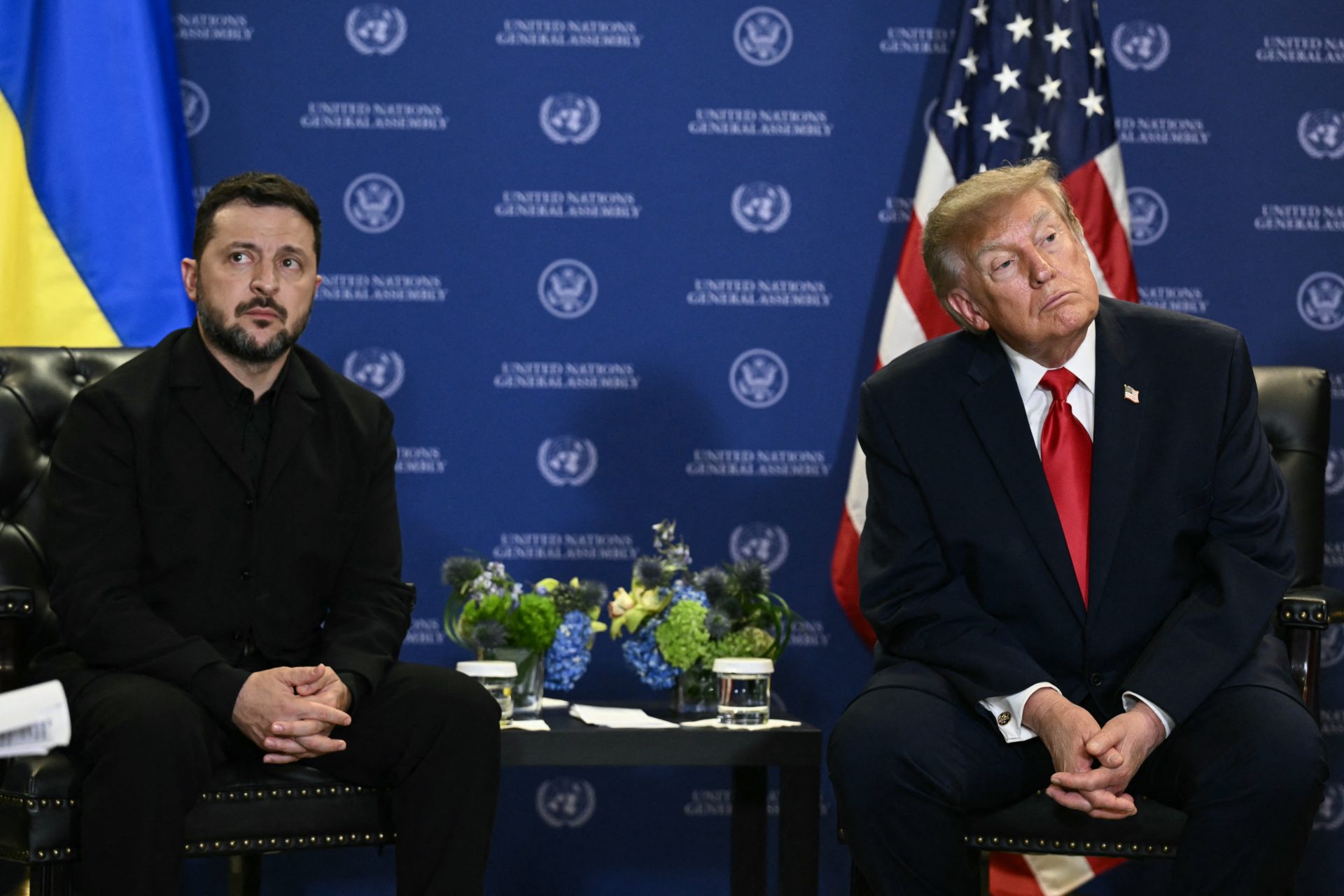
On Friday, Donald Trump announced a surprise deal with Vladimir Putin to temporarily ease sanctions on Russian oil in exchange for a pledge to renew Moscow’s diesel exports. The morning after the pact was announced, Ukrainian drones struck Russia’s diesel-producing Novoshakhtinsk oil refinery. Trump lashed out, lambasting Volodymyr Zelensky and calling for him to be ousted.
It was clear from the outset that the deal was going to be a victory for Putin, giving him an easy win over Ukraine. The deal primarily strengthens Russia’s negotiation position in any peace settlement and softens the wider economic war that has accompanied it. To quote Trump himself in an earlier warning to Nato countries: “the purchase of Russian oil… greatly weakens your negotiating position, and bargaining power, over Russia.”
The sanctions waiver itself is thin, limited only to diesel. However, it is important to note that this is not the first time Trump has eased sanctions as a result of the war with Iran. The US previously suspended sanctions on Russian oil products in March after the war threw oil markets into chaos, before allowing the suspension to expire in June when they had calmed again.
Trump claims that his dealmaking will benefit American consumers hard-hit by the economic ramifications of the war he and Israeli Prime Minister Benjamin Netanyahu launched on Iran in February. Diesel prices have sat at over $6 per gallon ($1.59 per litre) for the past month — an all-time high — and are among the most salient issues for US voters heading into the November midterms. This is particularly true in the Trump-leaning transportation and industrial sectors where diesel is the bedrock fuel. The President will hope the deal repeats the trick of jawboning down crude oil prices, as his past declarations of a potential deal with Tehran have done, ahead of elections in which Republicans are poised to suffer.
However, given the volumes involved, the deal will likely make little difference to diesel markets. Under the terms of the agreement, Putin pledged to lift the diesel export ban that the Kremlin imposed in July to allow the export of 300,000 tonnes “immediately”, another half a million tonnes in November, and a further million thereafter. The US transportation industry alone consumes just under three million barrels — or some 400,000 tonnes — of diesel per day. According to Trump, Russia will thereafter export another three million tonnes of diesel “within a short period of time”, albeit based on “the condition of [Russia’s] Diesel Refineries” at the time.
And therein lies the rub. For Putin, the deal is significant even if its potential maximum pledge is never met — perhaps even more so. For the Kremlin’s logic in securing the deal is straightforward. Putin’s interest is in undermining US-Ukrainian relations that had been improving as the Russian army’s advances largely ground to a halt — and on the most important front lines in Donetsk Oblast, have even reversed. Kyiv’s other great recent success had been in damaging Russian economic assets, a strategy Zelensky dubs “long-range” sanctions. But Trump has sought to pressure Kyiv to halt these, repeatedly proposing an “energy ceasefire” with Moscow that has failed to come to fruition.
The deal has thus already been a tactical victory for Putin, enabling him to paint such Ukrainian strikes — the direct trigger for Russia’s earlier diesel export ban — as an attack on Trump’s own dealmaking. It will also likely hurt Kyiv’s aim of securing additional air defence supplies from Washington, including a license for Ukraine to produce Patriot missile defence systems domestically that Trump has repeatedly dangled and then stopped short of finalising.
What is meant to be an oil deal has not only damaged Zelensky’s standing with Trump, perhaps fatally, but will also tilt the aerial front — the key battlefield in Russia’s war against Ukraine — towards the Kremlin.