







 Prefer us on Google

23 June 2026 - 1:00pm
Following Keir Starmer’s resignation yesterday, the Andy Burnham bandwagon now seems unstoppable. But does Labour have the wit not to waste its momentum?
If Burnham’s bid for the leadership goes unchallenged, he could become prime minister within a month. Conveniently, Parliament will be in recess from 17 July. That would give Labour until the end of August to prepare a knockout blow: an early autumn general election.
As well as providing the new PM with a personal mandate, a snap election would wrongfoot the opposition parties. There’d be no time for the usual mid-term makeover — and they all desperately need one: Reform UK to recover its lost momentum, the Greens to adapt to a re-energised Labour Party, and the Lib Dems to replace their irrelevant leader. As for the Conservatives, they need to work out why Kemi Badenoch’s growing popularity isn’t translating into higher poll ratings for the party.
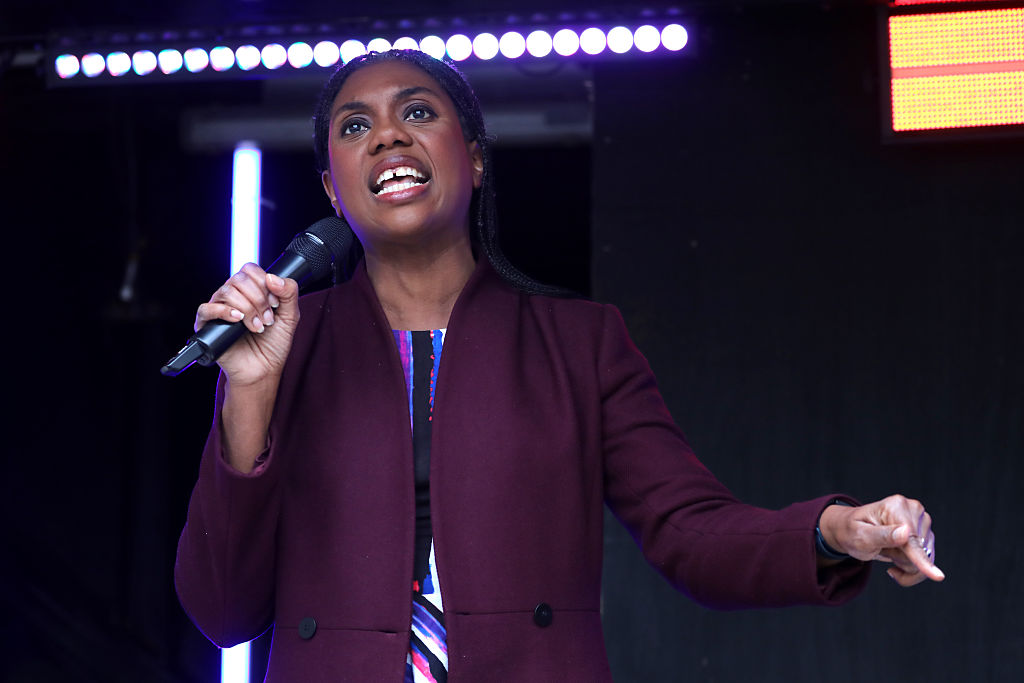
The Tories have the most to lose from an early election, yet their strategy for fighting one is coming into focus. Earlier this month, Badenoch ruled out any sort of deal with Reform: “I’m just saying no. It’s just no, no, no, no, no, no, no.” If that wasn’t emphatic enough, she was at it again this weekend in an op-ed for the Mail on Sunday. Referring to last week’s by-elections in Makerfield and Aberdeen South, she declared that “the results have left the idea of the Conservatives doing a deal with Reform stone-dead.”
This escalating hostility towards Nigel Farage’s party might seem an odd priority at a time of Labour upheaval. But with a snap election in the air, the Tories have to defend their remaining seats — in most cases, from Reform.
Tory strategists are pinning their hopes for saving those seats on receiving support from Left-leaning voters. There’s polling evidence to show that Conservative candidates in Tory/Reform marginals could benefit from significant anti-Reform tactical voting. So while a snap election is not to the Tories’ advantage, a theme of “Stop Farage” would be.
Of course, this strategy is one of survival rather than revival. But if there’s no time to fundamentally change public opinion about the Conservative Party, this is arguably the least worst option. Certainly, there’s little sign of dissent within the Tory ranks.
That, however, could change. While the Labour Party will position itself as the only way to stop Farage, it could emphasise a unite-the-Left strategy of the sort that enabled Jeremy Corbyn to win a 40% vote share in 2017. Burnham is unlikely to match that, but in a fractured party system he doesn’t have to. In fact, he could win a majority and a mandate for a Left-of-Starmer government with about a third of the vote.
The closer Britain comes to that scenario, the greater the pressure that both Badenoch and Farage will come under to unite the Right in response. Significantly, there was a hint of an olive branch in the Reform leader’s statement after the by-elections. He conceded that “the Conservatives will have their pockets of strength around the country”, a tacit admission that his party’s kill-the-Tories strategy has failed.
For the moment, Badenoch is in no mood to reciprocate. But if the Burnham bandwagon rumbles on, the demand for an equal and opposite force will become irresistible.
Peter Franklin is Associate Editor of UnHerd. He was previously a policy advisor and speechwriter on environmental and social issues.
 peterfranklin_