









9 September 2026 - 3:45pm
Shinjuku, the beating heart of never-dormant Tokyo, has declared that it will ban more than half of private vacation rentals, known in Japan as “minpaku”, which have been doing a roaring trade in the country’s current tourism boom. Introduced in response to a surge in complaints about visitor behaviour, the new measures will affect companies such as Airbnb and are designed to prohibit private lodging in residential zones or near schools.
The Shinjuku ward hosts nearly 10% of Japan’s 42,000 short-term rental properties, so the policy will have a significant effect on visitors’ options — with an estimated 2,000 properties taken off the market. If the rest of the country follows suit, particularly the similarly disgruntled Kyoto, it could be a game-changer. And given the higgledy-piggledy nature of Japanese cities, and the fact that Airbnbs tend to be in residential zones, the new ordinance could affect almost anywhere.
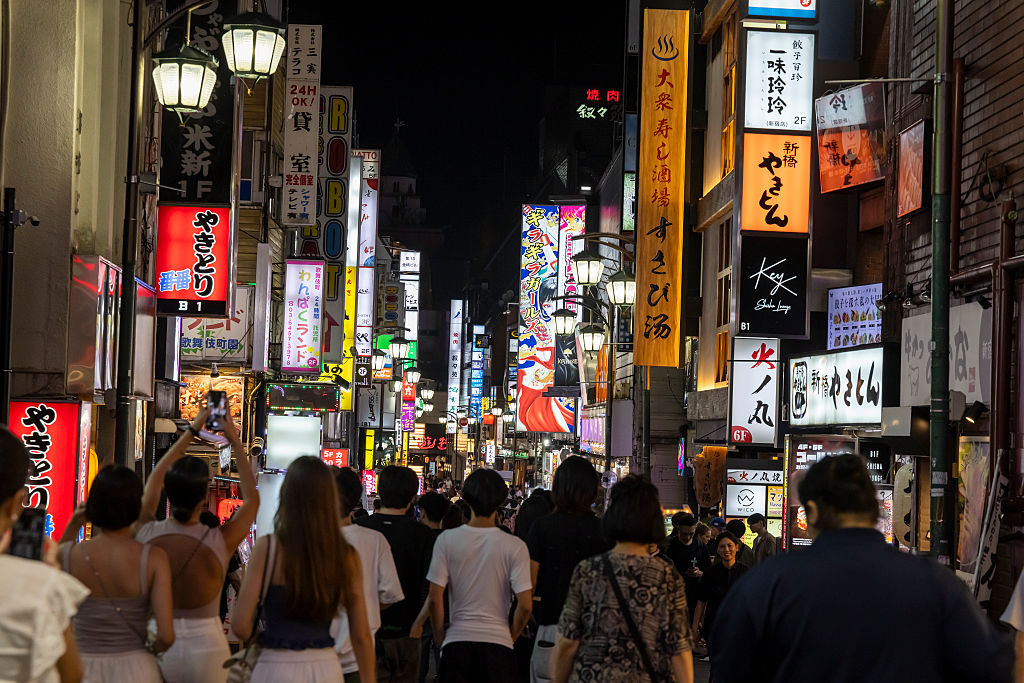
Shinjuku, home to the Tokyo Metropolitan Government building, premier shopping outlets including the Japanese Harrods (Isetan) and the country’s largest red-light district, has gone in recent years from being merely busy to virtually impassable, a commingling mess of locals and meandering visitors. Shinjuku Station, officially the world’s busiest railway hub, has become a living hell, with scrums of commuters and tourists sometimes coming to a complete stop on stairways through the sheer volume of people. It has the feel of a pre-Christmas rush 365 days a year, without any sense of ending.
The particular problem with Shinjuku — as well as Shibuya, Ginza and other nodes of the Metropolis — is that many people still live in these places, and they are having a hard time adjusting to the recent transformation. This has also led to some of the Japanese character of the area disappearing. A century-old tonkatsu restaurant has just closed on the shotengai (main shopping street), while a new tourist-friendly kebab shop across the street is thriving.
Visitors deserve some sympathy here. Complaints about private lodging have increased by around 40% in the last year, but what exactly are people complaining about? Noise is one thing, but incorrect methods of rubbish disposal, virtually a capital crime in Japan, seem to be the main issue. For foreigners, it requires a prolonged period of study to understand Tokyo’s myriad rubbish rules, which, in any case, differ depending on the ward. My apartment block’s etiquette manual is the size of an old-fashioned telephone directory.
There have also been few egregious incidents involving tourists. A rumour circulated during the last general election — by current Prime Minister Sanae Takaichi, no less — of tourists kicking deer in a park in Nara, which was unfounded. There is no evidence of any increase in crime or excessive rowdiness, either. This is hardly surprising: visitors to Japan tend to be well-heeled and older, and few come to Tokyo for a stag weekend. The complaints smack a little of prissiness, if not prejudice.
Politicians are now also increasingly capitalising on popular hostility to tourists. The insurgent Sanseitō party has highlighted concerns about dangers to traditional Japanese culture and locals being priced out of everyday essentials as a result of the tourism boom. In response, two-tier or “dual” pricing has been adopted at some attractions.
And despite the fact that Japan officially has a tourist target of 60 million visitors by 2030 — the current number is around 40 million — it’s doubtful how serious the country is about this given the public mood. The Japanese Tourism Agency (JTA) has been trying to tackle the rise of minpaku for years. In July, it granted municipalities powers to limit short-term rentals to “zero-days” in designated areas. Greater numbers of minpaku over a certain price point are also now subject to a tourist tax from which they were previously exempt. Japan appears to want mass tourism but not its inevitable downsides — having its rice cake and eating it.
As for those with Tokyo on their bucket list, my advice, especially as the yen is finally showing signs of life, is simply: go now.
