









6 August 2026 - 11:50am
Over the past 24 hours, America’s hawkish pundits have got deep into the business of how best to cook burritos, how to keep burrito budgets down, and whether kids these days are too profligate with their burrito spending. No, really: this is what happens when commentators refuse to be honest about the consequences of their preferred policies — in this case, the inflationary effects caused by President Trump’s war with Iran.
It all began with Turning Point USA’s Andrew Kolvet relaying a conversation he’d had with one of the conservative organisation’s student supporters. “A burrito shouldn’t cost $20,” the student had told Kolvet, who added in his own words: “It just feels like basic things cost too much.”
Yes, they do. And the economic data bears it out: in June, inflation rose to 4.2%, nearly double where it stood just before Operation Epic Fury. Gas is a fungible global commodity. Thus, even though the United States is the world’s chief net energy exporter, the supply squeeze in the Strait of Hormuz puts inflationary pressure on gas prices in America. And it’s not just gas prices which are affected, but those in many other sectors, too — from transportation to agriculture to restaurants and hospitality.
Hence, that $20 burrito at the TPUSA activist’s favourite fast-casual Mexican restaurant. And hence the widespread voter concern about rising prices that’s making Republican office-seekers nervous ahead of the midterms.
Yet pro-war pundits have insisted that, in fact, the fault lies with the complaining youngsters. “Last night,” Right-leaning podcaster Joel Berry reported, “my wife made homemade burritos for our family of eight, and it cost less than $20 total for everyone. I’m beginning to think the affordability crisis is really an ‘I don’t know how to cook’ crisis.” Many replies were rightly puzzled by the home economics of this, or wondered about the quality of the food.
Marc Thiessen, the former Bush speechwriter-turned-Iran war cheerleader at the Washington Post then chimed in: “Cry me a river. The burritos in the college cafeteria are included in your meal plan.” Of course, students ultimately pay for the meals they buy at their college cafeteria, either now or later plus interest, so it was hard to see what point Thiessen was making here.
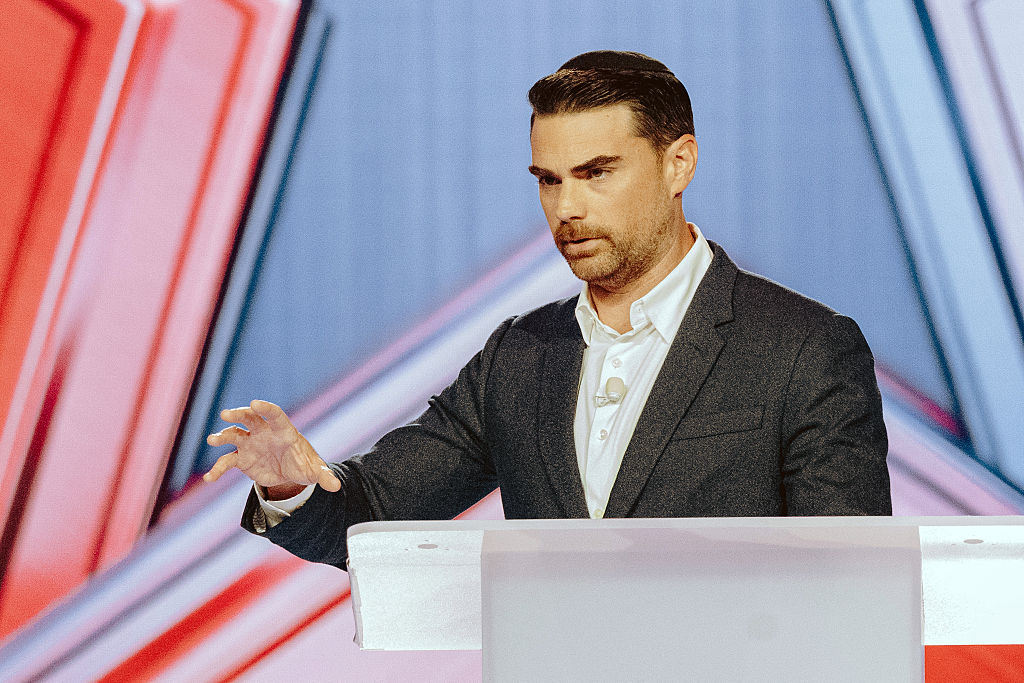
Finally, there was Ben Shapiro, who suggested that only the “independently wealthy” — people like him — should be dining at fast-casual restaurants anyway, so quit your whining. Shapiro also insisted that people shouldn’t ask for government help financing their burritos, which was another non-sequitur: Kolvet’s student wasn’t asking for a handout, just for less inflationary policies.
All these figures and their defenders came in for a well-justified thrashing online. But the bigger issue is that these talking points demonstrate obvious political desperation and dishonesty. The honest path would be to defend the war on its merits and make the case that the economic costs have been worth it.
Denying those costs is a fool’s errand. Just ask Joe Biden and his media allies. They spent much of his time in office insisting that inflation — back then, caused by the post-pandemic rebound and the Democrats’ various spending packages — really wasn’t so bad. Don’t believe your own lying eyes or your (depleted) bank account. And look how well that worked out for the Bidenites.
Sohrab Ahmari is the US editor of UnHerd. His next book, on The Triumph of Normal, is forthcoming from HarperCollins.
 SohrabAhmari