









29 Nov 2026 - 4:00pm
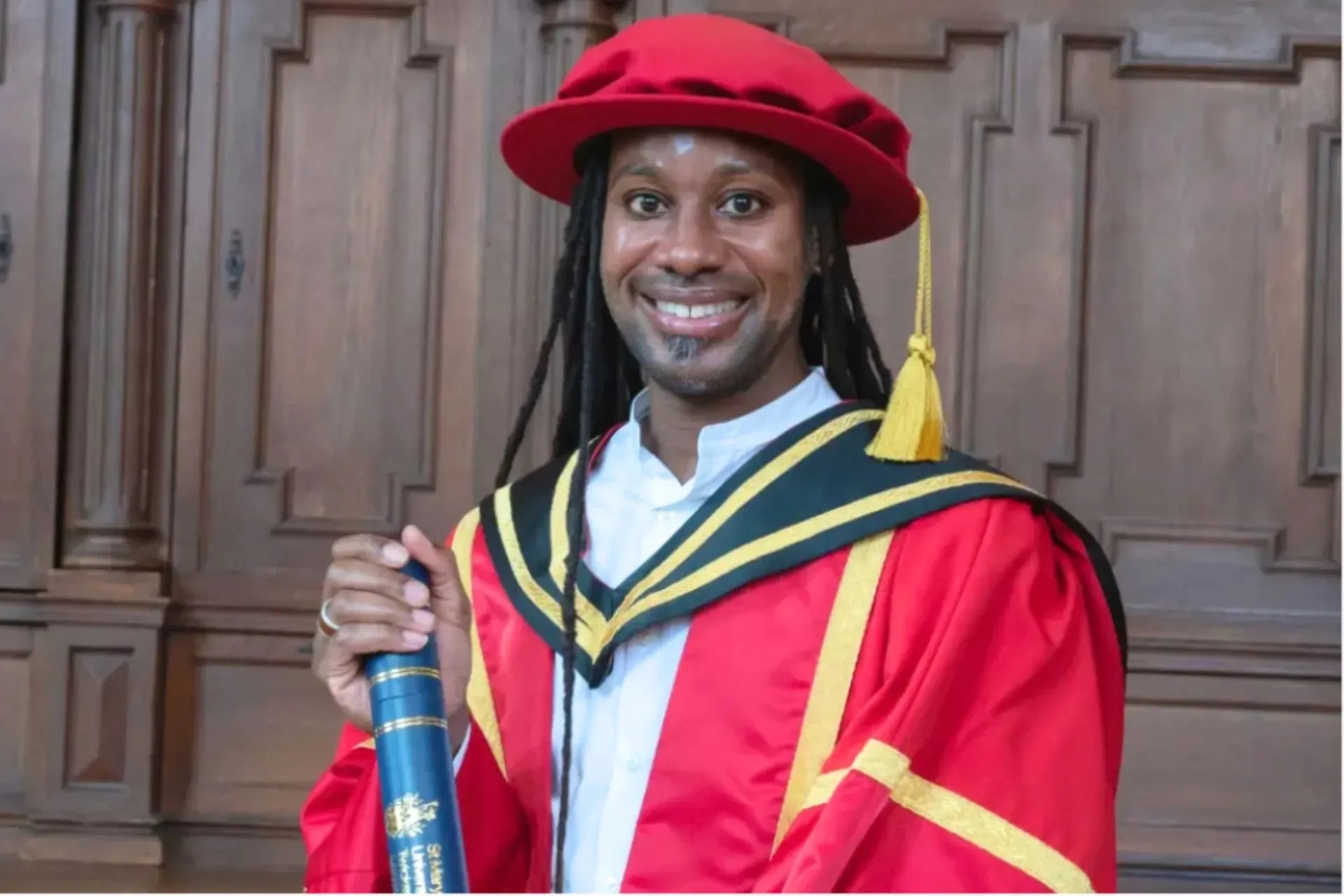
Jason Arday was seemingly a fabulist and a plagiarist. But he was also an unusually successful one, being appointed to a professorial chair in the University of Cambridge’s Faculty of Education aged just 37. In the summer of 2026, publications including UnHerd provided evidence suggesting that he had plagiarised his PhD, as well as several of the articles in his — already very thin — publication record. Questions were also raised about many of his surrounding claims, such as being non-verbal until the age of 11, or receiving a pig’s head in the mail after being threatened on campus by knife-wielding racists who were mysteriously invisible to CCTV.
He duly became the centre of weeks-long media attention, much of it inevitably focused on the fact that Cambridge had, prior to the plagiarism allegations, used Arday’s race and autism diagnosis as convenient props for cheap inclusivity propaganda. Tragically, it became too much for him, and he died by suicide in August.
Recently, however, mainstream media organisations have been rewriting history. At the end of October, the Guardian — which had contributed some of the most thorough reporting into Arday’s plagiarism — claimed that the allegations were “unproven”. The same article quoted Kehinde Andrews, the UK’s first professor of Black Studies, who said that Arday suffered a “dedicated, coordinated smear campaign from the right, based on the premise that Black people should not be at Cambridge”.
Earlier this week, the BBC reported that Queen’s University Belfast had “cleared” Arday’s research. This was immediately denied by the institution itself, which said it had only begun a preliminary review of a single publication where one of its academics was a co-author. Perhaps most astonishingly of all, on Friday the German publication Der Spiegel posted on social media that Arday is “now considered academically vindicated” after an “unprecedented witch hunt”.
It is disturbing to see mainstream media organisations parroting lines previously pushed by the wackier corners of the internet. Up until recently, this was led by the website Byline Times. Aside from trying to find evidence that Arday’s implausible claims about raising millions of pounds for charity by running 600 miles in six days with a broken leg were in fact true (hardly ever the main point at issue), the publication has this week insisted to readers that the “campaign” against Arday echoes the tactics of 18th-century slaveowners. What is going on when supposedly reputable news outlets start pushing similar denials of reality?
Let us be clear: in no way, shape, or form has Arday been “vindicated”. Multiple outlets have provided evidence of his academic plagiarism.
Following his death, the world split into two realities. In the fact-based reality the story was a tragedy, but one which raised serious questions about how Arday achieved his exalted position in the first place. (It’s important to stress here that he didn’t just have a job at Cambridge. He had a professorial chair at Cambridge, which is pretty much the most prestigious position an academic can receive.) His employers had serious questions to answer — not just about how they had allowed a plagiarist to be appointed, but about their willingness to use his race and mental disability status, given that it was clear he wasn’t up to the job even before the fraud was exposed.
In the alternative reality, a narrative circulated that Arday had been hounded to death by a racist media for nothing other than being a successful black academic. A vigil was held in Trafalgar Square calling for “justice” in his name. In death, he became a martyr to people who wanted to pretend that he had never done anything wrong, enabling them to avoid looking at the grubby nexus between institutional PR and hollow commitments to race equality. It licensed a simple view of the world, in which they didn’t have to think the uncomfortable thought that the successful black man might have been anything other than a saint.
It is disturbing to discover mainstream news organisations apparently throwing their lot in with an alternative reality. But we shouldn’t stand for it. In life, Arday was cynically exploited by university institutions that wanted to use him as a race token. In death, the same thing is happening, only thanks to his supposed supporters, rather than those who simply thought the same rules should apply to everybody equally.