









13 April 2026 - 6:00pm
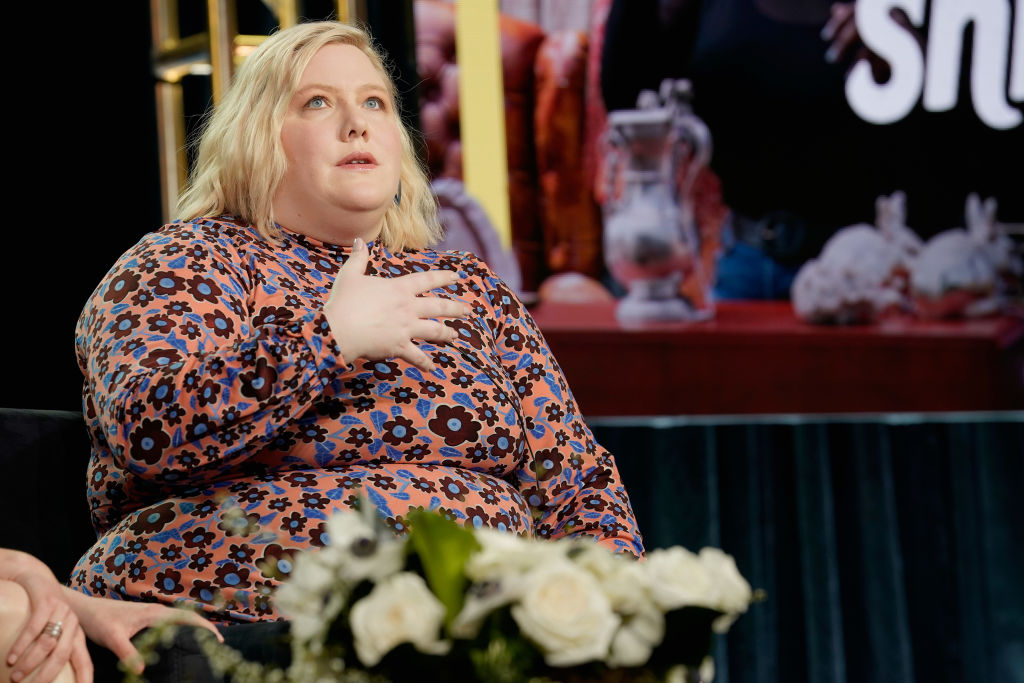
Marriage is under quiet attack, with several prominent media outlets normalising polygamy and relationship instability. Last week, New York magazine encouraged homewrecking and non-spousal crushes, having previously profiled a woman who divorced her implied-lazy husband to raise their child with another woman. The New York Times has highlighted Tumblr-era “feminist” Lindy West’s polygamous marriage in an interview about her recent memoir. Even the Wall Street Journal and New York Post gave uncritical airtime to “throuples” and infidelity, respectively.
While alternative relationship arrangements have been on the rise in recent years, this positive coverage makes these relationships seem far more popular than they are. There’s a difference between choosing “alt” arrangements and the chattering classes pretending as though they are normal. “There’s plenty of evidence at this point that a normie stable family life with two parents is best for kids and communities,” according to Kay Hymowitz, an expert on family and cultural change in America. There’s also plenty of evidence that non-monogamy is terrible for women.
The effort to make non-monogamy acceptable and cool isn’t new. The sexual revolution of the Sixties brought the first wave of enthusiasm for open relationships, championed by radical progressives and elite feminists who framed monogamy as a bourgeois constraint. The current resurgence isn’t surprising. West’s memoir gives non-traditional relationships a high-profile platform, and social media algorithms reward transgression.
Normalisation, in fact, is a bigger risk than ever. The online world pushes fringe posts to the forefront, while legacy publishers have an incentive to amplify content challenging marriage if it drives engagement. Data shows that 18-to-29-year-old Americans consider marriage and having kids less important for a fulfilling life than money. Meanwhile, 51% now consider open marriage acceptable, compared to only 15% of those aged 65 and older. Gallup data also suggests a significant increase in moral acceptance of polygamy, from 7 to 21% between 2001 and 2025.
For all the cultural enthusiasm, the data on what non-monogamous relationships mean for women and children is sobering. A 2021 review, drawing on 24 studies, found that women in polygamous marriages are more than twice as likely to experience depression as those in monogamous ones. Children in polygamous households show significantly worse emotional and educational outcomes. Meanwhile, children raised by two married biological parents consistently do better across health, education, and economic measures than those in any other family arrangement.
Proponents of non-monogamy might counter that not everyone wants or has children, and that the calculus is more about self-love and self-fulfilment. But the evidence doesn’t bear out delivery on those promises, either, with research suggesting that these relationships are often dominated by jealousy.
Normalising these arrangements as a cultural ideal is a different question from whether individuals can make them work. As for the individual level, the picture painted by West’s memoir is vivid yet worrying. Describing her domestic throuple arrangement, West writes: “I love sleeping in the guest room and crawling into bed with them in the morning. I love when they tuck me in and leave me to play on my phone as late as I want.” If self-love means being a guest in your own home, left to doomscroll all night, that certainly seems a lonely version of it.
Marriage isn’t perfect. But, on average, it remains the most successful long-term relationship structure. It’s for good reason that the nuclear family has been dominant in the West for hundreds of years. Normalising other models, meanwhile, is a status-signalling game for the elite, whose wealth and options mean they can avoid the negative consequences for everyone else. Most women already face a serious shortage of marriageable men. Calling it “liberation” that women can have multiple partners simply means men face less obligation. On that bet, women are told they’re winners but receive no payout. Polygamy and open relationships make losers out of everyone.
