









22 October 2026 - 7:00am
Earlier this week, the BBC ran a story titled “Bristol extremist who attempted to become IS martyr jailed”. When I first came across it on X, I was instantly drawn to it: I study extremists and collect data on their demographic profiles. Clicking on the story, I half-expected a sad tale about how a vulnerable young Bristolian lad had been seduced by “slick” ISIS propaganda and “pushed” down the extremist path. Perhaps his father would make a sombre appearance, holding a teddy bear decked out in a Bristol Rovers top, just as the father of Amira Abase, one of the three East London ISIS runaways, had done at a press conference back in 2015 (though Amira was apparently a Chelsea fan).
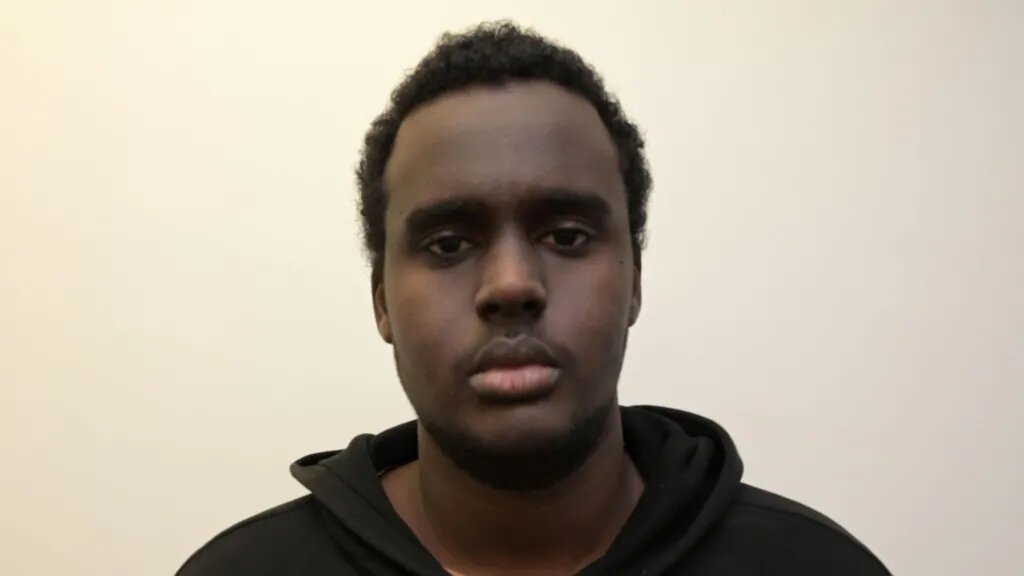
What I found instead was a story about 22-year-old Mohamed Mohamoud, who it transpired was born in Somalia, where he’d spent most of his life. According to the Crown Prosecution Service, he arrived in the UK in 2020 to join his mother and brother, who were living in Bristol. Mohamoud’s offence was that he’d tried to join ISIS in January 2025, travelling to Somalia in East Africa for that purpose; in the event, he returned to England two months later after failing to reach the group. Regardless, the headline was seriously misleading: Mohamed Mohamoud was not a “Bristol extremist”, any more than a Brit living in Somalia could be “Mogadishu Man”. The debate about who is or can be British (or English for that matter) is often futile, but let’s get it straight: Mohamed Mohamoud is a Somali migrant in the UK. And it shouldn’t be verboten to say that in a headline.
Should it matter that Mohamoud is a Somali migrant — and that he doesn’t have a West Country accent like Pat Roach? In one very crucial sense, it shouldn’t. Indeed, he should be judged solely based on his actions. This is a crucial principle in the liberal model of criminal justice: that guilt is determined by what you do and not according to who you are or where you’re from. But to understand how or why someone commits a serious offence, like trying to join a terrorist group, it very much matters who they are and where they spent most of their lives. It also matters what the circumstances surrounding their offending were. In the case of Mohamoud, it’s obviously highly pertinent that his core experience would be one of displacement, living between two very different cultures.
This story, in which the offender remains mysteriously out of focus, is part of a broader trend in mainstream media. The standard reportorial protocol in many stories about terrorists or terror suspects is to foreground their residency status while downplaying, or omitting altogether, their nationality or place of birth. In some cases, these details are not mentioned at all. A BBC report over the summer, for instance, covered a serving prisoner accused of stabbing an imam at HMP Full Sutton without mentioning Ahmed Alid’s Moroccan nationality until its final sentence: “assisted by a Moroccan translator during the hearing”. For the record, Alid murdered 70-year-old pensioner Terence Carney in Hartlepool in October 2023, as well as repeatedly stabbing his ex-Muslim housemate. He had entered the UK illegally in late 2020, a detail that would seem important enough to warrant at least a mention.
This reluctance to state the obvious about an offender’s background seems to be informed by a Left-leaning political imperative: not to “securitise” migrants (ie not to make a stigmatising connection between migrants and criminality). Yet the unintended effect of withholding or minimising crucial information about an offender’s background is that it arouses conspiracy thinking about how “they” — the elites in politics and the media — are deliberately lying to “us” over migrant involvement in serious crime. This was a common line of rebuke in the aftermath of the Southport atrocity in 2024, when initial police statements were seemingly queasy about acknowledging that the perpetrator was a second-generation immigrant of Rwandan heritage, referring to him instead vaguely as a “17-year-old from Banks, Lancashire”.
The broader point is that honesty in reporting does not necessarily give ammunition to the Right; and if the BBC is really concerned about the spread of conspiracy thinking, it ought to quit stoking it.