









21 September 2026 - 10:00am
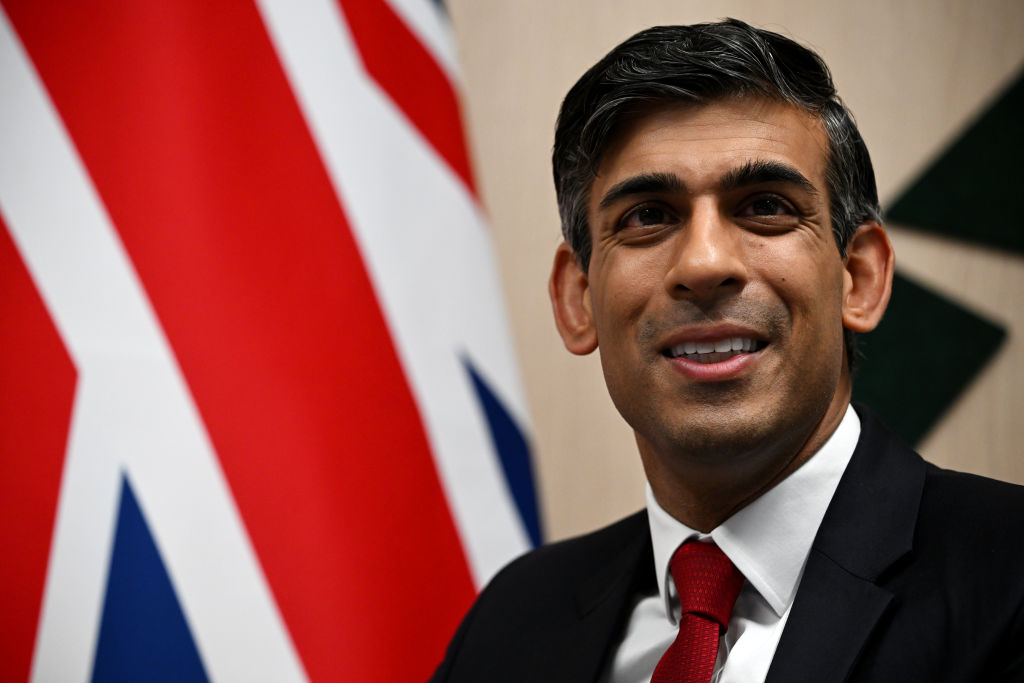
In a significant piece for the Sunday Times, Rishi Sunak argues that Britain has created “the world’s most successful multi-faith, multi-ethnic democracy”. However, he warns that this achievement is “coming under strain”. The former prime minister cites examples such as the challenge posed by Islamism, the reaction to the October 7 attacks three years ago, and what he delicately calls “the failure of those of us in government in recent years to adequately control immigration”.
But then he turns to his main theme: the “risk that we start equating skin colour with nationality”. It’s true that we shouldn’t turn Britishness — or, indeed, Englishness — into a DNA test. As Sunak puts it: “if you are born and brought up in England and view it as home, what are you other than English?” It would be wrong to deny someone their cultural identity or their civic rights for no other reason than their inability to trace their family tree to Britain before a certain cut-off point. What would that cut-off point even be? Would it be 1841, the year of the first modern national census? Or 1707, when the Act of Union came into being? How about 1066?
There are two important points missing from Sunak’s argument, though. The first is that he never really says who is arguing that we should make national identity a DNA test. The closest he comes to getting specific is a reference to a controversy sparked last year by the Russian-born podcaster Konstantin Kisin. But Kisin did not advocate a DNA test for British citizenship. Rather, he — arguably over-simplistically — equated Britishness to a civic identity and Englishness to an ethnic identity.
That said, some people really do want to base British identity on ancestry alone. They remain on the fringes of UK politics, and Sunak is right not to give them more prominence than they deserve. However, it would have been helpful to make it clear that no mainstream politician, including the Reform UK leadership, falls into this category.
Another thing missing from Sunak’s argument is that while British ancestry shouldn’t be the sole basis for civic inclusion, it nevertheless exists and is worthy of recognition. This isn’t a case for blood-and-soil genetic determinism, but instead a national story that stretches back for well over a millennium before the age of mass migration. It is that identity which is primarily responsible for forming the national culture and civic institutions into which people from other parts of the world — including the Sunak family — have assimilated.
If it is absurd to deny Sunak his British and English cultural identity, then it is equally absurd — and disrespectful — to deny the long-established population of this country their ethnic identity. While Sunak doesn’t exactly deny it, he certainly fails to address it.
Note that the political and cultural establishment has no problem with ethnic identity in other contexts — for instance, when campaigning on behalf of the Palestinians, or making land acknowledgements in the US and Canada, or designating the Sami as Europe’s only officially recognised indigenous people. However, Britain’s ancestral population is, it seems, a people — or peoples — without ethnicity, indigeneity or even a name they can call their own. If Sunak is right about the threats to our democracy, that’s a dangerous void to leave for others to fill.
Peter Franklin is Associate Editor of UnHerd. He was previously a policy advisor and speechwriter on environmental and social issues.
 peterfranklin_