









4 June 2026 - 10:00am
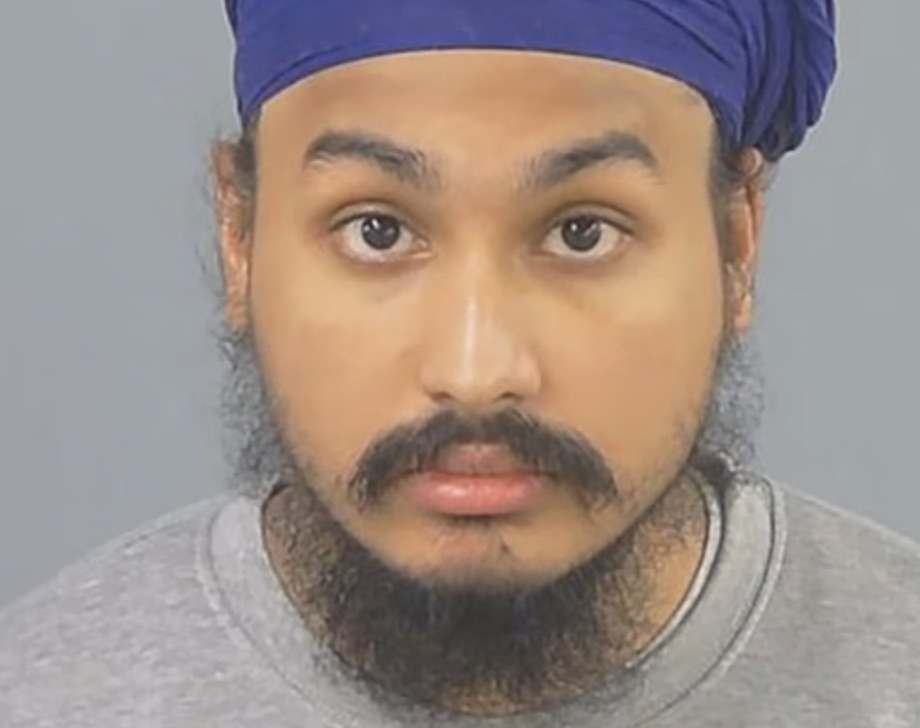
The murder of Henry Nowak, followed by the trial of his killer Vickrum Digwa and the resulting protests in Southampton, has further exposed Britain as a tinderbox of racial tensions. Digwa is a Sikh and the murder weapon was a Sikh ceremonial knife, and so attention has turned, naturally, to the integration of certain religious groups in Britain.
The country’s Sikh population has traditionally been viewed as a patriotic and well-integrated part of modern Britain. This integration has been driven by enduring military ties originating from participation in the British Indian Army, a robust emphasis on entrepreneurship and property ownership, and charitable services based on the Sikh tenet of Seva. However, in the aftermath of Digwa’s conviction — a life sentence with a minimum of 21 years — the response from politicians and organisations belonging to the British Sikh community has been rooted in narratives of discrimination and grievance.
Speaking to the BBC last week, Dabinderjit Singh, a leading figure in the UK Sikh Federation, claimed the community had been “demonised” and that it had suffered a significant increase in hate crime following Digwa’s trial. The Federation has since written to Home Secretary Shabana Mahmood, calling for anti-Sikh hate crimes to be recorded in a similar way to those committed against Jews and Muslims.
On Tuesday, meanwhile, Labour MP Tanmanjeet Singh Dhesi accused Reform UK and Restore Britain of politicising public anguish over Nowak’s murder, arguing that the “far-Right” had chosen to “scapegoat and throw under the bus an entire community”. Dhesi also criticised calls to introduce a ban on the kirpan in the UK. While it is illegal to carry most knives in public, doing so for religious reasons is listed as a potential lawful defence under Section 139 of the Criminal Justice Act 1988. Reform UK has lobbied against these religious exemptions and pushed for a ban on the kirpan, though Sikh groups have pointed out that a different blade was used to murder Nowak.
The anti-police protests in Southampton earlier this week will inflame things further. On Tuesday evening, 11 officers were injured and two people were arrested in connection with disorder which included the throwing of bins, bricks and an e-scooter at police. Hundreds took part in the initial demonstration outside Southampton Central Police Station, before some gathered close to Digwa’s family home. The killer’s father Moga Singh and brother Gurpreet Digwa also appeared in court after being charged with multiple weapons-related offences. Digwa’s mother, Kiran Kaur, was found guilty of assisting an offender, adding fuel to the view that this crime was facilitated by multiple family members.
Accusations of “two-tier policing” — the belief that non-white minorities are increasingly the beneficiaries of preferential treatment from authorities — over the police’s handling of Nowak’s murder also reveal the emergence of a new pan-ethnic “white racial solidarity”. Conversely, influential elements of the UK’s Sikh population have responded in a manner which is unquestionably tribal, seeking to protect their religious group from wider anger. This compromises the longstanding status of British Sikhs as a so-called “model minority” in the UK. In an era of competing group-based interests, some British Sikhs — even those with conservative political views who feel culturally integrated — will provide an assertive defence of their religious identity and faith-based rights.
The aftermath of Digwa’s conviction demonstrates that the portrait of modern Britain is an increasingly complicated one, with previous claims around assimilation and cohabiting diversity appearing at best naive. Accusations of two-tier policing are now hard to deny, and threaten to undo the significant strides Britain has made in recent decades when it comes to racial equality.
