









10 May 2026 - 7:00pm
Exiting Russia after 2022 has not been an easy process for Western firms. Early on after the invasion of Ukraine, several companies, from energy to retail services, left the country. In many cases, this led to substantial losses and those who stayed have often been looking for a way out. Rules introduced by the Kremlin since 2022 make it extremely punishing to leave the country.
But one Western holdout is making more serious moves to exit. UniCredit, one of the few Western banks with a remaining presence in Russia, has been looking for the exit door for more than four years. It may have just found it. The bank now has a plan, and a non-binding agreement, to sell part of its Russia business to an investor from the UAE. According to UniCredit, this would mean taking a €3-3.3bn hit. It’s far from existential for the bank, but no small sum at all.
Moves such as these don’t happen in isolation. If UniCredit hastens its exit from Russia it could have significant political and economic implications in Europe. This is evidence of UniCredit trying to accelerate the process because its existing business in Russia could get in the way of its desired takeover of the German bank Commerzbank. It is an important move as throughout the last several years the ECB’s supervisory arm has been putting pressure on UniCredit to divest from Russia. UniCredit might view the divestment as helpful for securing any eventual ECB approval of the takeover, should it come to that.
In that sense, UniCredit’s Russia divestment plan is a sign of how serious the bank is about its designs on Commerzbank. There isn’t much that UniCredit can do to mollify German political opposition to the move, as that is inevitable. But ending business in Russia can help clean up its own image.
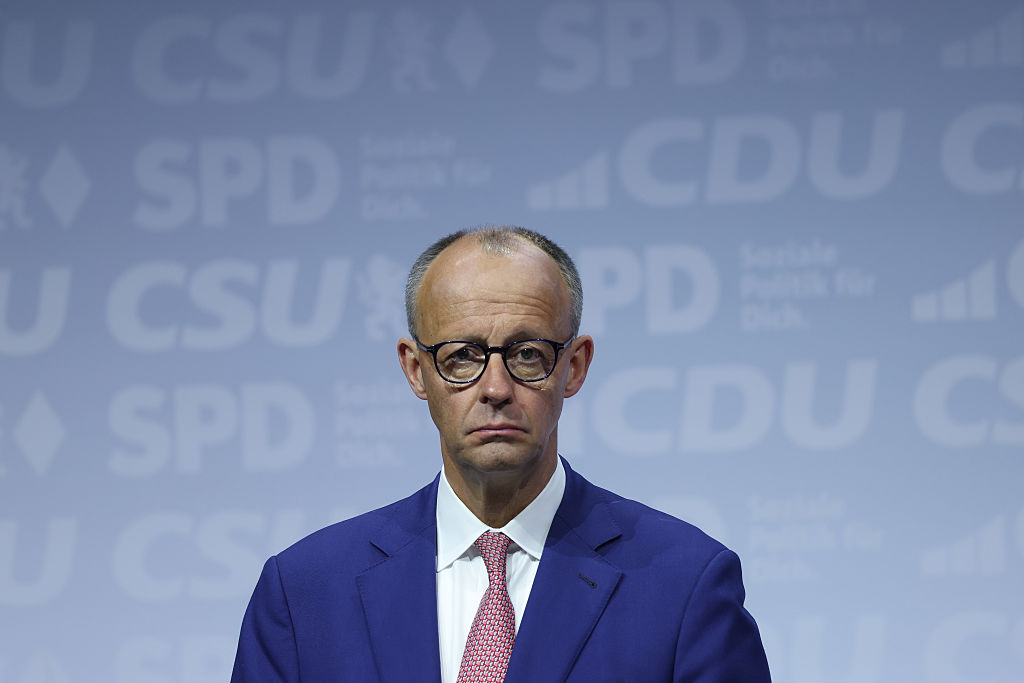
If this is the case, it’s yet another ongoing problem for the German government and Friedrich Merz. The prospect of UniCredit taking over Commerzbank is widely unpopular in Germany amongst trade unions, the bank itself, the political class and the media. Merz has continued the previous government’s strong opposition to the merger, but the German Chancellor’s options to intervene directly are limited. UniCredit will inevitably end up pushing more, but the German government will be powerless to stop the firm, meaning Merz’s authority will continue to wane.
The scenario could be detrimental for the EU’s stalled banking union and the prospect of European integration. The UniCredit-Commerzbank situation is the highest-profile cross-border takeover attempt in Europe for a long time, and one of its defining features is how much it is despised in Germany.
If the German government is unhappy with the prospect of this merger, Merz could come up with a way to try to unblock the longstanding political issues frustrating the idea of a banking union. However, the German Chancellor has remained silent on the issue. It would be conceivable to think that a company departing from Russia should be celebrated by the European elite. But, as ever, the technocracy of the EU will get in the way.
This is an edited version of an article which first appeared in the Eurointelligence newsletter.