









25 September 2026 - 4:00pm
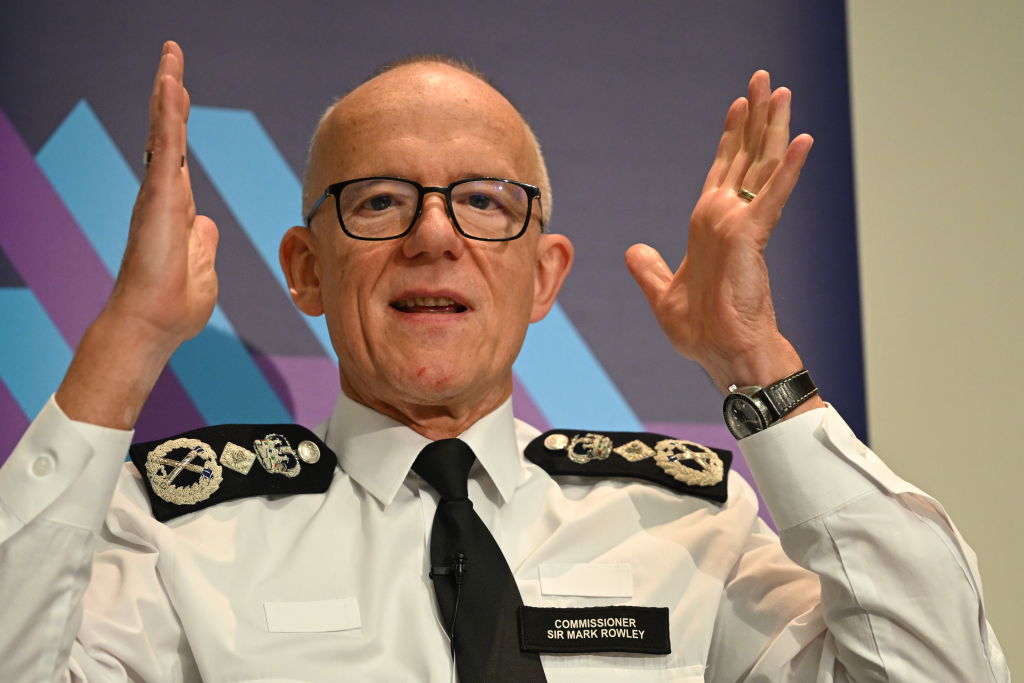
Yesterday, Metropolitan Police Commissioner Mark Rowley hit out at the decision to grant bail to a paedophile, allowing him to return to his flat overlooking a play area while awaiting sentencing. Rowley spoke outside the court following the sentencing of Zafer Dogan, describing the earlier decision as “unfathomable”.
Dogan had been using AI to manipulate images he had taken of children to “nudify” them, and the decision to allow him to return to his home near those of his victims had caused some to flee to distant temporary accommodation. Given that Dogan had used the location of his flat as a means of committing his crimes, many had expected him to be remanded in custody, or at least moved to another location while awaiting sentencing.
Rowley attributed the decision to grant bail to a failure to consider the best interests of the child victim rather than those of a paedophile. As to the most likely underlying cause of decisions, however, he pointed to “the pressure to reduce the remand population”. This is a reference to the huge shortage of prison spaces — currently, the adult male prison estate is at 98.5% capacity with just 1,200 spaces remaining across the country — which includes the accommodation for those held on remand awaiting trial or sentencing.
Prisoners on remand generally create a greater burden on the prison service than convicts — partially because of the increased turnover of remand prisoners, but also because they have greater rights than convicts. Remandees are not required to work, have more generous visiting rights, and are supposed to be kept separately from convicts.
These burdens and requirements often mean that remandees enjoy worse conditions in practice than those of many convicts: they are more likely to share cells, and are not prioritised for work or education details. All of these factors contribute to a pressure on the courts to remand as few people as possible, and to grant bail whenever they can.
This means that prolific repeat offenders are often back on the streets a matter of days after they have been arrested and charged. For the police, this creates a revolving-door workload and added pressure to manage public risk. This is straining the relationship between the police and the courts, which now appears to be breaking down in public.
Rowley has spoken extensively on the issue. In mid-August, following the sentencing of the rapist and murderer Simon Levy to a whole life order, the Met Police Commissioner complained on the Today Programme that the courts had refused police demands for Levy to be remanded in custody, adding: “We’re seeing far too many cases day in and day out — knife carriers, sex offenders — who are being bailed when a few years ago they would’ve been remanded in custody.” Speaking to the London Policing Board on 3 September, he said the courts were routinely bailing people “charged again and again and again with carrying knives”.
Ultimately, though, the shortage of space inside prisons places a hard limit on the number of people who can be accommodated. This won’t change unless the Government is willing to commit to either an urgent increase in capacity or a willingness to tolerate far more crowded conditions in prisons.
There are other self-imposed political constraints that could be addressed to ease pressure, or at least to convince the public that the justice system is addressing the issue. The Channel migration crisis has seen temporary accommodation across the country cannibalised to make room for illegal migrants, making it harder to move those like Zogan away from former or potential victims while they await trial. This places public trust in the integrity of the justice system under immense pressure.
It’s clear that there needs to be a shift in priorities for who remains in police custody. Rowley understands this, but it is up to Parliament to take swift action to ensure that dangerous sexual offenders can’t freely roam the streets.
Chris Bayliss is an independent consultant who works on energy infrastructure in the Middle East.
 baylissbaghdad