









18 October 2026 - 1:00pm
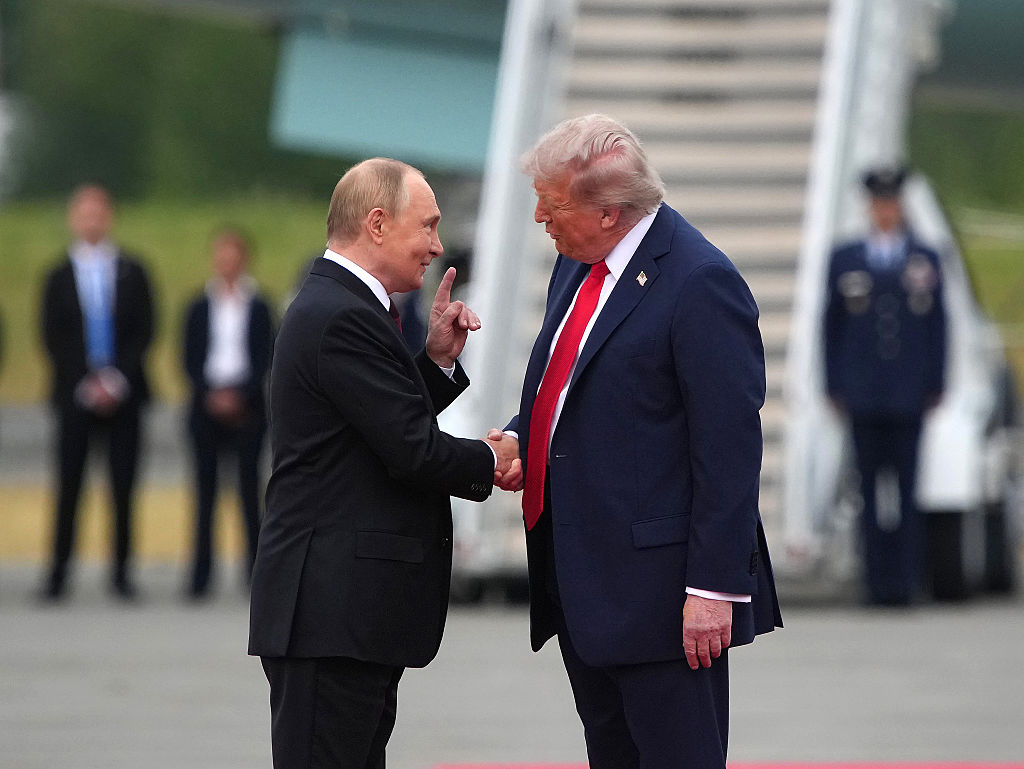
Late on Friday night, US President Donald Trump signed an executive order exempting Russia from a sanctions measure passed by Congress last month. The decision is unlikely to affect the calculus of Russian President Vladimir Putin, or the trajectory of the war.
With this coming on the heels of the US-Russia diesel deal and the breakdown in the relationship between Trump and Ukrainian leader Volodymyr Zelensky, Kyiv’s advocates have cast the sanctions waiver as a betrayal. But this is a misreading of Trump and his motivations. The move is better seen as another reminder of the one constant in the US President’s policy towards Ukraine and Russia: he will always put his own interests and those of the US first.
When Congress passed the sanctions bill named after the late US Senator Lindsey Graham, Ukraine’s backers argued that the new legislation would be the death knell for the Russian economy. They argued that it would force Putin to return to the negotiating table, but this was always a fantasy. As critics of the bill noted at the time, the way the sanctions provisions were written almost guaranteed that the penalties intended for Russia would never be implemented.
For starters, the harshest measures authorised by the legislation were targeted at the biggest buyers of Russian oil and gas, primarily India and China. Trump had already tried imposing tariffs on India over its ties to Russia, an approach that worsened relations between Washington and New Delhi but had little effect on India’s behaviour.
The idea of imposing secondary penalties on China was even less palatable to the Trump administration. They would have driven gas prices even higher and undermined relations at a time that the administration is seeking a political détente with Beijing. Amid the ongoing tariff war between the two countries, these penalties were basically a non-starter.
What’s more, Trump has demonstrated time and again that he is not interested in imposing additional economic pressure on Russia. He sees such efforts as counterproductive to restoring US-Russia relations and seizing investment opportunities that might come with improved bilateral ties. Importantly, Trump has long held the authority to impose additional sanctions on Russia and has consistently chosen not to do so. The passage of the Graham bill was never going to change that.
Waiving the sanctions is unlikely to make Russia more interested in ending the war in the near term either. As the past four years have shown, Putin does not respond to economic threats. For him, the war in Ukraine is existentially important and he is willing to absorb tremendous financial and human costs to achieve an acceptable outcome.
Trump’s approach to Ukraine and Russia is often described as a pendulum that swings from supporting Moscow to favouring Kyiv and back again. According to this narrative, his hostility toward Ukraine is simply his latest pivot towards Russia. But the US President’s decision-making on Ukraine is far more consistent than this framing implies. What has always mattered most for Trump is what is best for him and his political future. Right now, that’s anything that will push gas prices down to help his party avoid big losses in the midterms. This rules out new sanctions on Russia. In the end, when it comes to the Russia-Ukraine war, Trump is on no one’s side but his own.
 jekavanagh