









6 May 2026 - 6:30pm
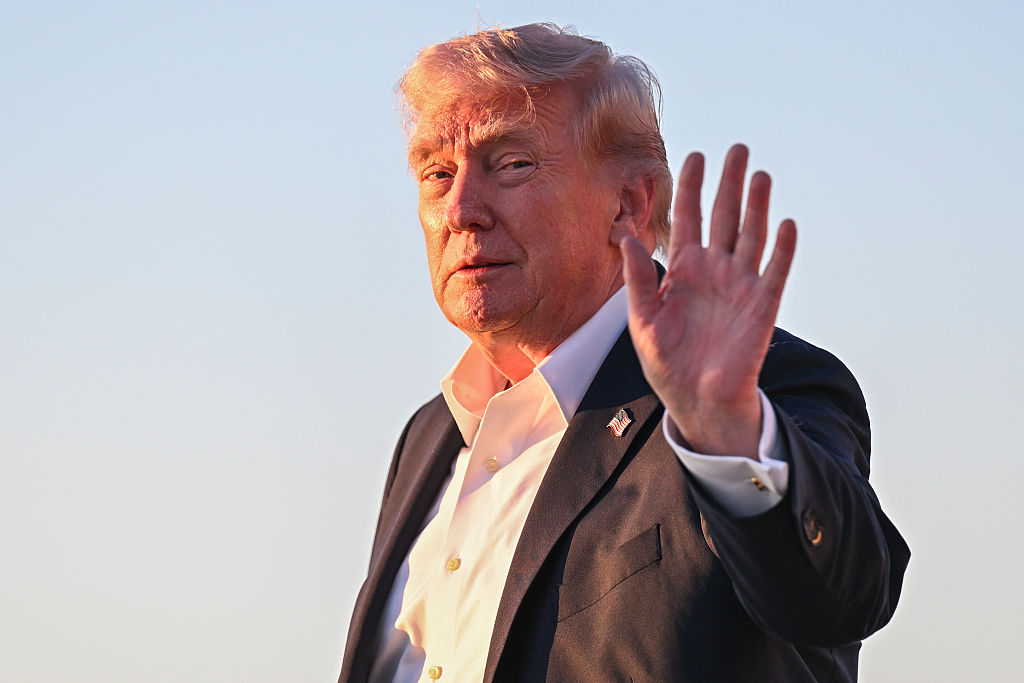
Yesterday morning, Defense Secretary Pete Hegseth and Chairman of the Joint Chiefs of Staff Gen. Dan Caine briefed reporters at the Pentagon and lauded Project Freedom. The proposal was the Trump administration’s latest gambit to free up congestion in the Strait of Hormuz after weeks in which Iran had effectively closed the waterway. But by the end of the day, Project Freedom was abruptly suspended. Based on Pakistan’s request as a mediator, Trump wrote, the initiative will be paused to give peace settlement talks a greater chance of success.
Several factors may be at play in Trump’s sudden change of mood. For one, there’s a possibility that the US President, a man known for embellishment, is actually telling the truth. Although negotiations between the US and Iran have been slow, filled with mutual recriminations and marked by daily disinformation, reports suggest that the talks may be more productive than previously thought. Axios and Reuters have both claimed that American and Iranian officials are zeroing in on a memorandum of understanding that would establish a common framework for more technical, detailed negotiations on the nuclear file. The terms, per these reports, would end the war, gradually reopen the Strait of Hormuz to maritime traffic, lift the US blockade of Iranian ports, and begin the process of arriving at a nuclear accord over a 30-day period. Pakistani mediators are claiming that this is the closest that the US and Iran have been to signing something since the war began two months ago.
There’s another reason why the pause is worth reviewing: Project Freedom wasn’t really having an impact. As articulated by the State Department, the mission was designed to establish a relatively safe corridor through the Strait of Hormuz, which would allow some of the 1,600 vessels trapped there to start moving again. The whole enterprise rested in part on perception: if the US Navy could convince seafarers that it was safe enough to continue their journey, then Washington could take away Iran’s biggest card without a hard-fought military effort.
The numbers, however, tell the opposite story. Despite Washington’s announcement, shipping lines and insurance carriers remained wary of tempting fate. Risk-averse behaviour remained the order of the day. An initiative meant to showcase Washington’s power instead demonstrated its impotence. Why continue something that was clearly failing in its objective?
Finally, although US officials characterised Project Freedom as a defensive measure, the Iranians clearly viewed it as an offensive tool by the US to try to change the balance of power to its own advantage. Iran couldn’t tolerate this and quickly responded by resuming missile and drone attacks on the United Arab Emirates, harassing ships trying to get out of the Strait and launching a few drones against tankers. The US military destroyed seven Iranian boats, the first direct engagement since the ceasefire was agreed on 7 April. It became increasingly clear that the longer Project Freedom was on the books, the more likely the ceasefire would fall apart completely and complicate already tough negotiations.
With all this in mind, Trump’s 180-degree turn wasn’t a spineless retreat but a necessary re-evaluation of policy. Whether he sticks with it remains to be seen.
Daniel R. DePetris is a fellow at Defense Priorities and a syndicated foreign affairs columnist for the Chicago Tribune.
 DanDePetris