









16 May 2026 - 8:15pm
Hot on the heels of its decision to pull 5,000 US soldiers out of Germany, the Pentagon has now made it clear that Donald Trump’s promise to cut troop levels in Europe “a lot further” was far from empty.
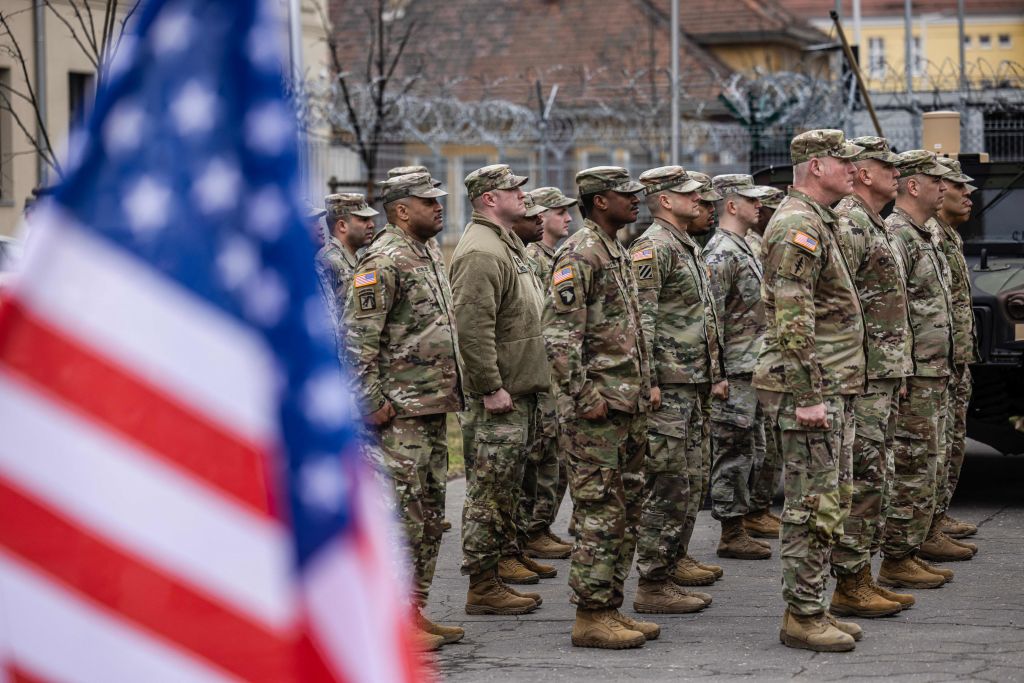
US Defense Secretary Pete Hegseth this week issued a memo abruptly cancelling the deployment of 4,000 troops to Poland, shocking both American military officials and their European counterparts. Despite initially denying the news, Polish politicians have since been forced to engage in damage limitation, with PM Donald Tusk assuring the public that the move will not impact the country’s security and that “everything is under control.”
Logistically speaking, it’s probably true that Hegseth’s recall of the 2nd Armored Brigade Combat Team, 1st Cavalry Division — which was set to rotate first through Poland and then through other states in Eastern Europe — won’t dramatically alter the alliance’s deterrence capabilities. The same, however, cannot be said of other, less headline-grabbing deployments that Hegseth also cancelled in his memo: the reversal of a planned transfer of American missile battalions and associated command structures to Germany will leave Nato’s east with a significantly weaker defensive umbrella.
But despite appearances, this move is arguably the best thing Trump could have done for Europe. By recalling deployments to Poland in such a cavalier manner, thereby humiliating its mainly pro-American leaders who have been angling for additional US troops for years, he has made it clear that no amount of kowtowing will ever win him over to Europe’s side.
By all measures Trump has put forward, Poland has done everything right: it spends more on defence as a percentage of its GDP than any other Nato state, purchases much of its military kit from the US, and was called a “model ally” by Hegseth last year. If even a country like this cannot escape Trump’s geopolitical chopping block, then no one in Europe can. Perhaps now they’ll realise that aiming for Trump’s good graces is a waste of time, and that it’s high time to reduce their ties to Washington.
Since his election last year, Polish President Karol Nawrocki has sold his personal closeness to Trump as an insurance policy for the defence relationship between the two countries. Last week, he publicly appealed for the 5,000 soldiers Trump was pulling from Germany to be stationed instead in Poland. Not only is this transfer now unlikely, but Washington has added insult to injury by taking away deployments it had already promised to Poland, rendering all of Nawrocki’s efforts moot.
But despite being the target of repeated diplomatic abuse from Trump on the world stage, Poland and Europe as a whole refuse to take the hint. Polish leaders have fallen back on apparent “assurances” from the US that this latest move won’t affect Warsaw’s deterrence capacity, even as it becomes clear that Trump’s previous suggestions he “might” redeploy troops from Germany to Poland meant nothing. Chancellor Friedrich Merz also downplayed Trump’s withdrawal from Germany earlier this month, while Nato chief Mark Rutte went a step further and practically apologised for not doing more to support the US war against Iran, saying Europe had heard Trump’s message “loud and clear”.
Leaders on the continent are forging defence alliances, financing their military growth through homegrown European Union mechanisms. Ultimately, though, they always fall back on the familiar trope that there is no path forward for Europe other than hand-in-hand with the US, and that for all the talk of self-reliance, they have a safety net when the going gets tough.
While cutting defence ties with the US entirely remains unrealistic, it’s about time Europeans finally dispense with the convenient fiction that all these moves are mere exceptions to the rule, and that Trump doesn’t really mean what he says and does. Unless the continent finally decides to secure its sovereignty by shaking off reliance on the US, it may find itself in the same position Poland now faces — or worse.
 Michal_Kranz