









10 April 2026 - 4:00pm
In a report this week for The Free Press, the writer Mattia Ferraresi made an incendiary claim. He suggested that in January, the Pope’s then-ambassador to Washington, Cardinal Christophe Pierre, was summoned to the Pentagon where Elbridge Colby, the Under Secretary of Defense for Policy, gave him a dressing-down. In what was painted as a tense exchange, Colby said that the Vatican had to “pick a side” regarding America’s military operations abroad.
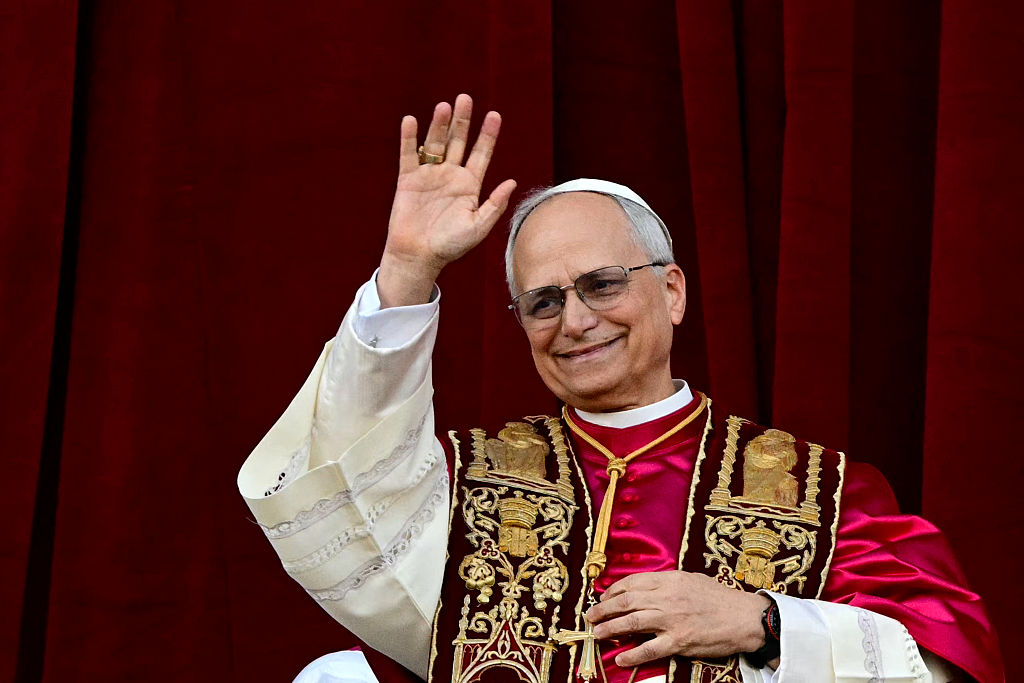
Since the article’s publication, both the Pentagon and Cardinal Pierre have insisted that the meeting was cordial and constructive. But the question remains: are the Vatican and the White House at loggerheads, particularly over American foreign policy? Is Leo XIV’s absence from the celebrations for the 250th anniversary of US independence a sign of a coolness between the first American Pope and President Donald Trump?
On 9 January this year, speaking to the Vatican’s diplomatic corps, Pope Leo lamented the way international consensus was being replaced by “a diplomacy based on force, by either individuals or groups of allies”. By longstanding convention, no pope ever mentions a country by name, but most observers took this as a reference to the removal of Venezuelan President Nicolás Maduro from power several days earlier.
It was this speech, it is claimed, that led to Cardinal Pierre being summoned to the Pentagon. One official supposedly raised the spectre of the Avignon papacy, the period in the Middle Ages when the King of France had the Pope in his pocket and installed him in a papal enclave on French territory. If this was an attempt to get the Vatican onside, it seems tactless even by the standards of the current White House administration.
More recently, at Easter the Pope condemned those who make war in the name of God. This has been interpreted as directed at America and Israel rather than the theocratic regime in Tehran. But this is not just a perceived quarrel between Leo XIV and Trump about the ethics of the Iran war: it is also potentially a quarrel between the Pope and many of his flock in the United States. Several high-ranking members of the Administration are Catholics, notably Vice President JD Vance and Secretary of State Marco Rubio. Moreover, Trump won 55% of the Catholic vote at the last election.
The Pope has to remain neutral in all wars and conflicts, but both sides of the aisle in America want to recruit him to their cause. It is difficult for the Vatican. If the Pope is seen as anti-Trump, that will disappoint many US Catholics. Yet if he seems too close to the President, that will alienate not only certain sections of American Catholicism but also swathes of opinion elsewhere. However, there is the danger of irrelevance for the Pope in playing it safe and sticking to generalisations.
Before Leo’s election, the dominant narrative was that there could never be an American pope, because any American would be seen as “too close” to the White House. Now we may have the opposite: an American pope who seems not just at odds with the White House but the standard-bearer of ethical opposition to Trump. All parties have an interest in denying the substance of the report in The Free Press. Trump can only lose by appearing to be the Pope’s enemy. The consequences for the Papacy of being seen as opposed to Trump would not be good, either. There must be relief both in Washington and Rome that Ferraresi’s report of a Vatican White House split is being played down by all parties.
 ALucieSmith