









17 September 2026 - 4:15pm
Few were surprised by the US Federal Reserve’s decision to hike short-term interest rates at its Wednesday meeting. Even if some economists still maintained that it wasn’t necessary, the chorus for an increase was growing louder. Moreover, with bond yields rising rapidly, the Fed risked losing investor confidence that it was serious about inflation. In that respect, by hiking rates it merely played catch-up with the market.
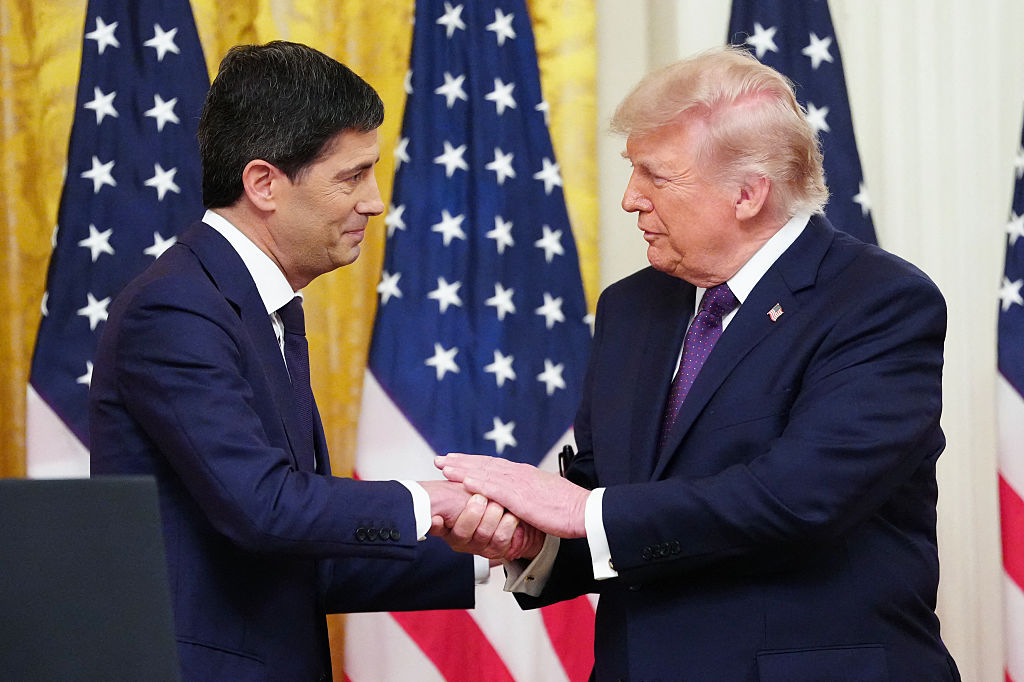
What is more surprising, though, is the decision’s unanimity — even Donald Trump’s appointees backed the move. Meanwhile, the language that came out of the meeting, including Chair Kevin Warsh’s comments during his brief press conference, suggested more rate hikes were on the way. This was not the Fed that the President hoped he’d get by appointing Warsh to lead it.
Trump’s immediate response was to give Warsh a pass and blame his new colleagues, saying “he’s a good man, Kevin Warsh — no matter how good a job, he’s got a hostile board.” Yet the idea that the Fed Chair was backed into a corner is what online commentators call “copium”. All indications are that he not only shared the view of his colleagues but, if anything, still regards monetary policy as too accommodating, and thus ripe for further tightening.
This will make things difficult for the man who gave Warsh his job but is not, in light of the Fed’s independence, his actual boss. As unconventional as it may be, Trump’s vision of the economy is coherent: inflation isn’t a problem because ultra-low interest rates would enable an AI boom that would lift productivity, so inflation will take care of itself. Warsh had in the past indicated a receptiveness to that view. But he also has a mandate to keep inflation low in the short term. With no evidence of a productivity boom yet, and with tariffs and the Iran war creating immediate inflationary pressures, the Fed had to restore its credibility.
The coming weeks will be revealing. The initial response of bond markets, bolstered by the Bank of England’s decision today to slow gilt sales, has been to steady them. If the current trend of rising yields is thereby halted, it would suggest investors have confidence that central banks are serious about getting inflation under control. The stock market could then resume rallying, producing a fiscally calm run-up to the November elections.
But if yields do resume rising and the stock market funk of the last few months settles back in, the calls from the White House for the Fed to “do its job” will grow more insistent. The situation could then worsen if Treasury Secretary Scott Bessent intensifies his recent efforts to meddle in bond markets to lower interest rates, the main effect of which has been to make him look foolish. Because if Bessent, under pressure from Trump, challenges Warsh to a game of chicken, he will find out the hard way that the Fed boss is the only sheriff in town.
Trump has enjoyed considerable success bending the federal agencies to his will, installing his acolytes in senior positions and then replacing them when they fail to satisfy his whims. But in the Federal Reserve, he has encountered his nemesis. Board members have proved too independent, and too insulated from political control because of their long terms of office and Supreme Court decisions protecting their positions from Trump, to be easily browbeaten.
The President’s last great hope had been that, upon taking the Fed chair, Warsh would gradually shape a more Trumpian board. Warsh has now shown he has his own plans for the Fed.
John Rapley is an author and academic who divides his time between London, Johannesburg and Ottawa. His books include Why Empires Fall: Rome, America and the Future of the West (with Peter Heather, Penguin, 2023) and Twilight of the Money Gods: Economics as a Religion (Simon & Schuster, 2017).
 jarapley