









14 June 2026 - 8:30pm
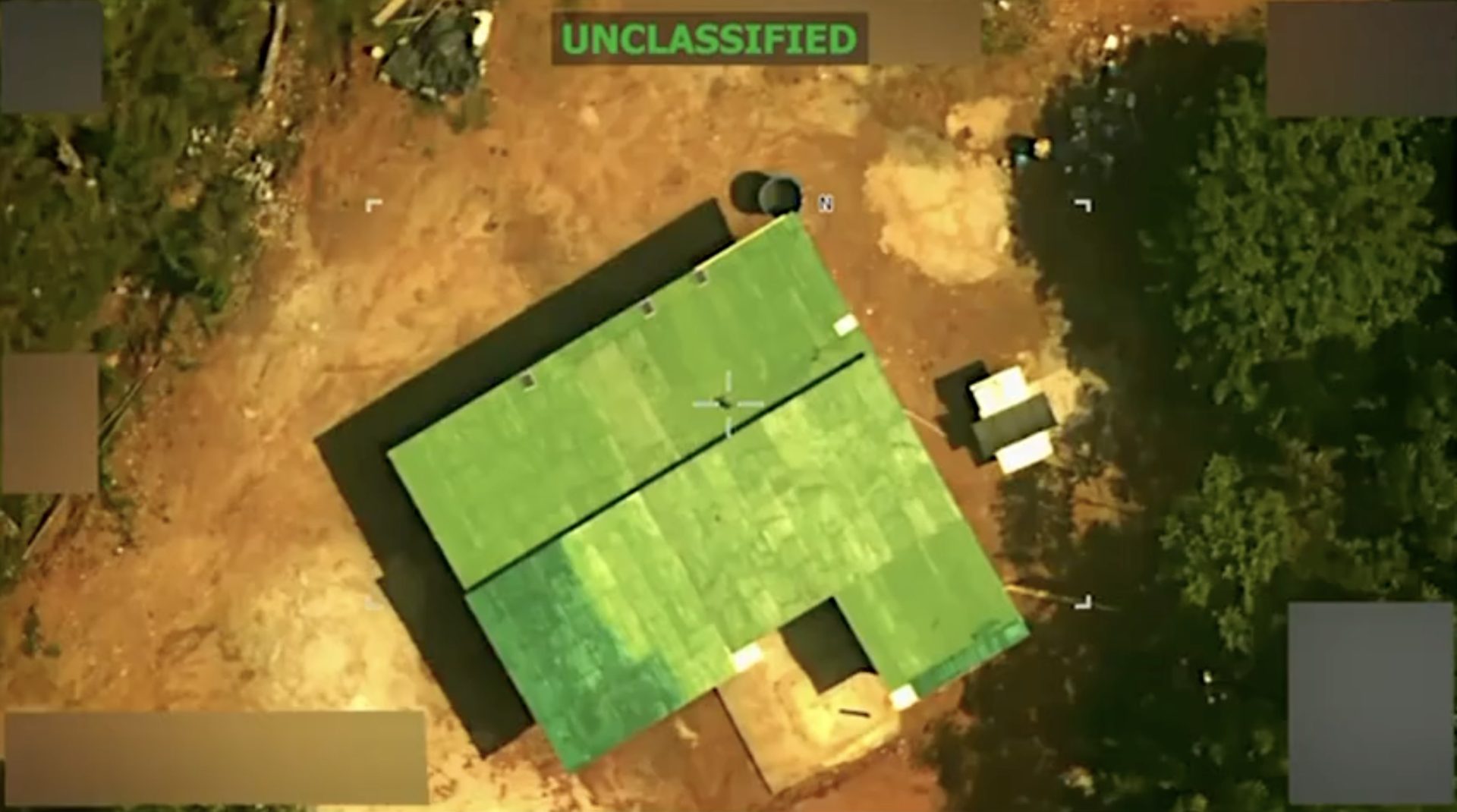
On Friday evening, President Donald Trump announced that US forces had killed the head of the Venezuelan gang Tren de Aragua, Héctor Rusthenford Guerrero Flores, in an air strike. In doing so, one of the hemisphere’s more notorious crime bosses was eliminated, and the Trump administration’s offensive against drug cartels and criminal groups claimed a major scalp. The operation, therefore, carried significance beyond law enforcement, representing another demonstration of Washington’s willingness to use force in pursuit of its objectives in the hemisphere. It highlights the Trump administration’s broader effort to exert influence in the region, which many have referred to as the “Donroe Doctrine”.
The killing of the group’s leader earlier this week has dealt a blow to a criminal syndicate the Trump administration accuses of trafficking illicit drugs. Tren de Aragua was designated a terrorist organisation in 2025, though analysts continue to question the scale of its reach and operational cohesion. In conservative media, it has become a catch-all symbol of perceived lax border enforcement under the Biden administration. For the Trump administration, however, transnational criminal networks and geopolitical rivals are increasingly treated as part of a single, converging security threat.
The group also became notorious across Latin America, rising to prominence as Venezuela’s economy collapsed in the 2010s under the governments of Hugo Chávez and Nicolás Maduro. Weak institutions and mass displacement made it easier to establish cross-border networks, with the group’s operations expanding elsewhere on the continent. In Chile, for example, rising homicide rates over the past decade have been partly linked by authorities to its arrival.
The group’s rise has coincided with a broader Rightward shift across Latin America, with the election of Keiko Fujimori in Peru the latest example. Trump has been an active participant in this trend, openly backing favoured candidates, most recently Colombia’s tough-on-crime presidential hopeful Abelardo de la Espriella. Washington has also deployed economic leverage: the Treasury Department’s $20 billion swap line for Argentine President Javier Milei helped stabilise the peso ahead of last year’s midterm elections. More recently, Defence Secretary Pete Hegseth and Secretary of State Marco Rubio pledged full support for Bolivian President Rodrigo Paz as anti-government blockades paralysed the country. Together, these interventions underscore a growing willingness in Washington to project influence across the region.
“We will continue to support our A3C partners like Bolivia to ensure that narco-terrorists are deterred from profiting on death and destruction in our hemisphere,” Hegseth said on X. The A3C — a 17-country coalition created to combat transnational drug cartels — has become a key vehicle for Washington’s regional strategy. Notably absent from its founding summit was Mexico, despite Trump’s warm public relations with President Claudia Sheinbaum. The omission suggested a distinction between governments seen as fully aligned with US priorities and those viewed as less cooperative.
Hegseth has doubled down on the A3C, telling CBS News on Sunday morning, “We’re forming it with partner governments all around Central and South America to go after, defeat and destroy foreign terrorist organisations.”
The Secretary’s comments came in response to a question on possible operations in other countries such as Guatemala and Ecuador. The Trump administration has mused often about taking action in Mexico — with Trump himself urging President Claudia Sheinbaum to allow US forces to take the lead. Sheinbaum has rebuffed the requests, despite Trump often stating respect for his Mexican counterpart.
Mexico, which hasn’t joined the A3C, has handed over cartel suspects, permitted US drone operations and abandoned her predecessor’s “hugs, not bullets” approach. Yet she has also resisted some American demands, including extradition requests involving prominent political figures.
Whether that will be enough remains unclear. From pressure on Venezuela and Cuba to to joint US action against gangs in Ecuador repeated calls for action against Mexican cartels, the Trump administration has framed Latin America as a theatre in which criminal organisations, hostile regimes and US security interests increasingly overlap. The strike against Tren de Aragua is the latest expression of that worldview — a message aimed not only at criminal groups, but at governments across the hemisphere. Washington expects to set the terms of engagement, and it expects to be heard.