









20 October 2026 - 6:00pm
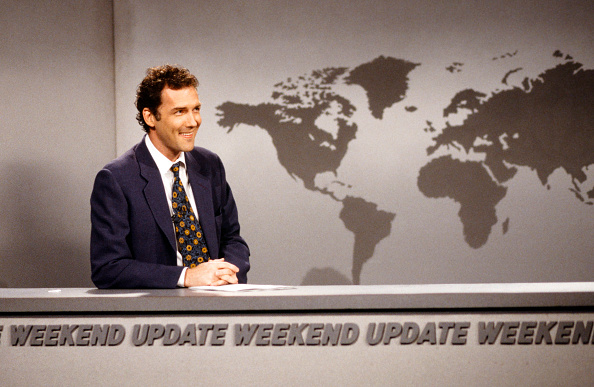
The new Norm Macdonald documentary, Norm: The Tale of Norm Macdonald, directed by Judd Apatow, is excellent. That is partly because Macdonald, the Canadian comedian and actor, was such an extraordinary talent: a man with a distinctly novelistic personality, full of hidden depths, profundity, moral courage, pathos and wit. But also because the Nineties and early 2000s, when he was culturally prominent, were simply richer than today’s America. They were more fun, less paranoid, freer and, somehow, more human.
The world of LA comedy clubs in the late Eighties, for instance, when Macdonald was first noticed by a promoter for Johnny Carson, seems totally lost. As Macdonald himself says towards the end of the documentary, comedians would push their audiences to their limits before retreating. Political correctness wasn’t assumed or necessary. Not everything had to be filmed or analysed. (In one sad and bizarre moment, Macdonald in 2018 was more or less forced to apologise for asking people on Twitter to consider that Louis CK and Roseanne Barr were human amid their social liquidation.)
Norm, like its subject, seems out of step with our current cultural drift. It is slow and non-linear, like a Macdonald joke, and formally structured around archival footage, personal photographs and home videos. You have to pay attention, or turn it off, trusting that the payoff will come. The revelation of Macdonald’s leukaemia and death is held back until near the end. But of course, we know Macdonald is dead. The trick is to make us believe, for two hours, that he’s back.
Macdonald was a Christian humanist, a true believer with a strong lifelong existential obsession with death and melancholy appreciation for the brevity of life. It’s not hard to see why this internal disposition made Macdonald an outsider in Hollywood and why he, according to Conan O’Brien, was fired from almost every job.
In the modern world, comedy increasingly exists for the feed and the clip. The immediate audience and the people in the room, matter less than the potential audience online. Everything becomes subservient to the click and the like. Every mode of comedy is productised, from transgression to confession, and even the comedian’s language comes under pressure to be universally legible: legible to the person scrolling past, who will move on after five seconds if they don’t understand.
There may also simply be too much comedy. Virality is doing the buying, but the intended meaning appears to be that comedians are effectively gambling on their careers. Early on, Macdonald describes living cheaply in Ottawa and being able to make $20 or $40 a night at a comedy club, which was more than he was making doing manual labour. Back then, it was enough to live on and keep working.
Across the West, it may simply be the case that comedians, like any other kind of artist or performer, have to buy these lottery tickets now. That’s because there is no real way to live cheaply and under the radar for a long time, developing craft and insight. Make or break is implied from the beginning.
And while the culture of comedy clubs is still set by old heads and caustic Gen Xers, institutional capture will happen, and does happen, as with any other live event, including sports. The real thing is made subservient to the clip.
Norm is the rare Netflix product that contributes to culture, and should be talked about and shared. The obvious irony is that it probably won’t be, and will, like Macdonald’s own career, attract a small audience of reverent fans. It’s a viewing experience that will appeal to book readers, nostalgics, depressives, to the ruminative among us. We are a lucky few.
