









14 August 2025 - 1:00pm
Catholicism and conservatism were once inseparable in Spanish politics. However, in the midst of a summer marked by rising tensions over immigration and integration, the Spanish Right is now seeking political inspiration elsewhere. For many of them, Washington — not Rome — has come to set the agenda.
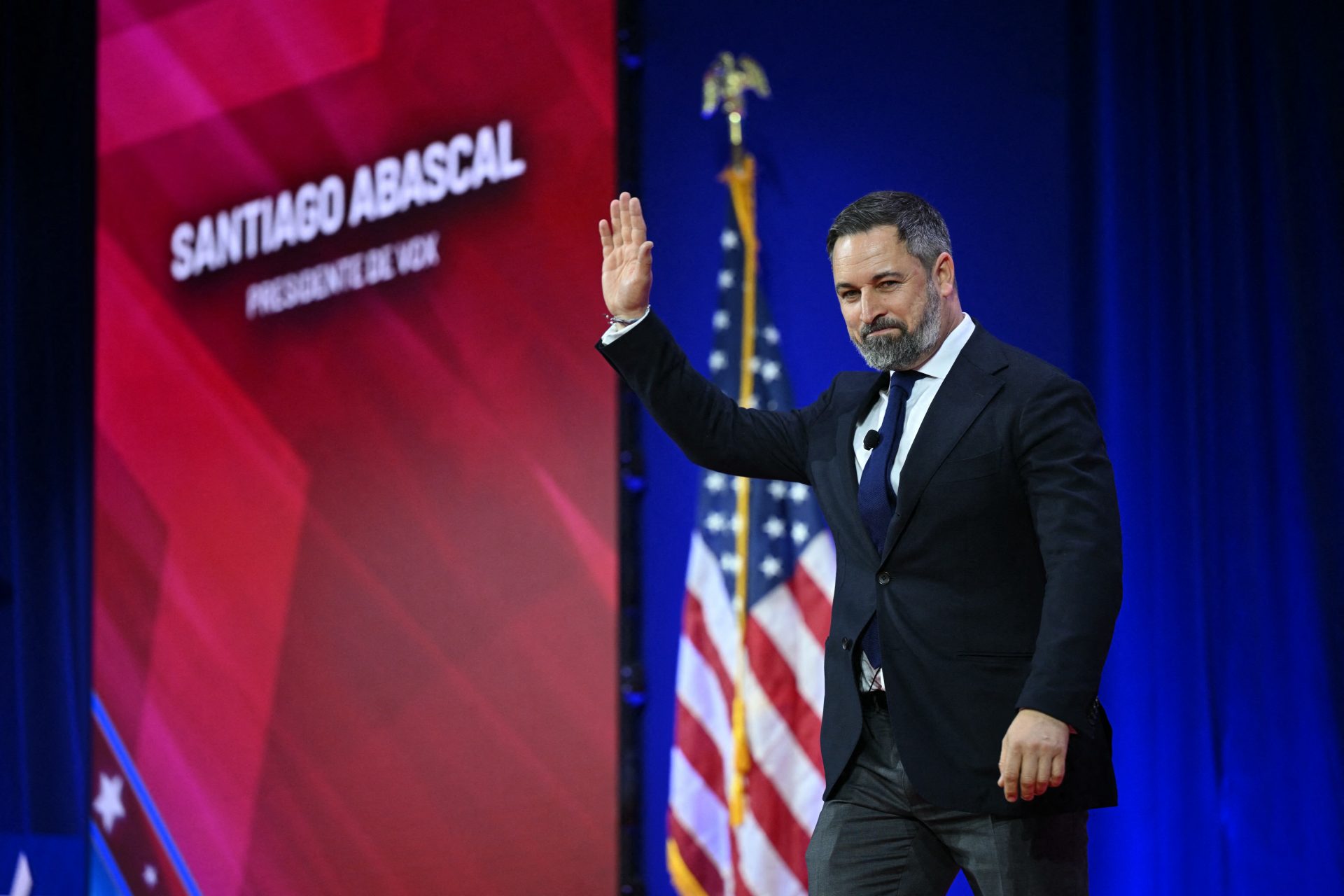
Earlier this week, the leader of the Right-wing Vox party, Santiago Abascal, launched an attack on Spain’s Catholic Church. During a podcast appearance, he said that he was “perplexed and saddened” by the Church’s liberal positions on immigration and Islam. He further argued that this “weakness” stemmed from the government funding received by the Church’s charity, Caritas, for its support of refugees.
This last accusation may sound familiar to Americans. US Vice President JD Vance said almost exactly the same thing back in February, telling a conference that the Catholic Church had “not been a good partner in common-sense immigration enforcement”. He also went on to claim that bishops had taken $100 million “to help resettle illegal immigrants”, although the US Catholic Church said they did not make any money from their immigration work.
It’s no surprise to see Abascal echoing Vance on this issue. The Vox leader, a frequent speaker at CPAC events, described the US Vice President’s controversial Munich speech — in which he warned Europe about the threat posed by mass migration — as “magnificent”. The potency of this anti-immigration message on both sides of the Atlantic has made the current US administration a far more influential guide to the Spanish Right’s political thinking than an established church which is considered far too liberal on the issue.
The Archbishop of Tarragona, Joan Planellas, responded to Abascal’s attack by telling Catalan radio that “a xenophobe can’t be a true Christian”, and that Vox’s pro-Catholic branding was a “trick”. Earlier this month, the Conference of Spanish Bishops immigration spokesperson labelled the party’s rhetoric “repulsive” and expressed opposition to the “generalised expulsion” which Vox officials have proposed. Despite this, El Mundo reported this week that Vox has gained 300,000 Catholic voters in two months.
The party has found success in a divided Spain, reaching a record high of 17.5% in national polls. In July, anti-migrant riots roiled the southern town of Torre-Pacheco. This month, a national controversy arose following a decision to ban the use of public buildings for Islamic festivals in the town of Jumilla. At the same time, Vox has launched a major anti-immigration offensive, promising the “mass deportation” of eight million immigrants and their children. This policy, like much of Abascal’s agenda, resembles the Trump administration’s course of action so far.
For centuries, Catholicism has been a cornerstone of Spanish identity for conservatives, deeply rooted in the legacy of the Catholic Monarchs and the Reconquista. This historic period in particular has been wielded as a powerful political symbol by Spanish critics of Islamic immigration from the Maghreb. More recently, Catholicism served to unite the nationalist coalition during and especially after the Civil War.
Religion carries civilisational significance on the Spanish Right, with the ideas of a Hispanic and Catholic empire often blending seamlessly with the concept of the state. Although Vance faced rebuke from the late Pope Francis over the doctrine of Ordo Amoris, his vision of national conservatism resonates far more strongly with many Spanish conservatives than does the “liberal” Papacy. Abascal infamously called Pope Francis “Citizen Bergoglio”, parodying the then-Pontiff’s supposedly Left-wing positions on migration. Trump allies have also criticised the papal hierarchy, with Steve Bannon claiming there would “definitely be friction” between the new Pope Leo XIV and the President.
Vox’s attitude towards the opposition of the Spanish Church hierarchy is best exemplified by the response of European parliamentarian Jorge Buxadé to a sermon by the Archbishop of Santiago last month. Responding to a video of the Archbishop urging the politicians in front of him to “raise their voices” in defence of migrants, Buxadé quoted from the Gospel of Matthew: “Render unto Caesar what is Caesar’s.” The Spanish Right, in turning away from organised religion, is increasingly looking towards the empire over the Atlantic.
