









26 Nov 2026 - 7:00am
New research published by Policy Exchange offers an insight into the minds of Britain’s professional classes. The report, entitled “What Britain’s New Higher Professional Establishment Thinks”, discovered that the country’s lawyers, doctors, and civil servants (among other professional occupations) are significantly more progressive than the general population on a host of key issues.
The divergence is stark on immigration, Islam, DEI, and even voting. According to the report, almost half of Britain’s professional class believe UK citizens should have to pass a civic responsibility test before they are allowed to vote.
Yet the clearest dividing line is in perceptions of immigration. While 65% of the general population agree that there are too many immigrants in the UK, only 50% of professionals said the same. And though 48% of the general population believe “Muslim immigration is a threat to our way of life”, only 34% of professionals agreed. There are other disparities, too, including over whether white men face discrimination in appointments: while 36% of the general population believe such a bias does exist, around 28% of professionals said the same.
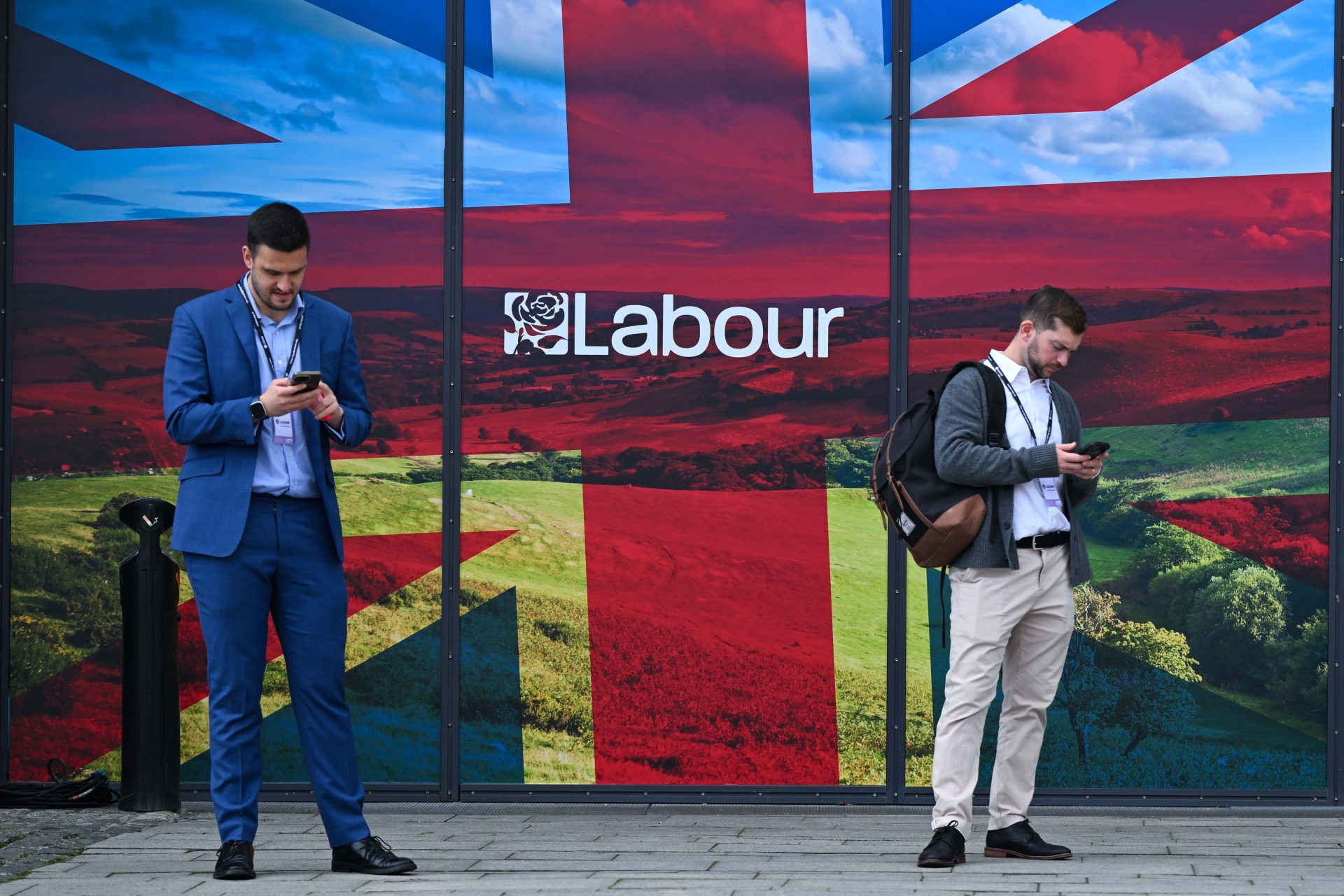
The Labour Party has become the party of the professional-managerial class, importing its ideological biases along with it. That matters because this professional mindset increasingly shapes how the party formulates policy, particularly on immigration, social cohesion and security, putting it at odds with the wider public.
Despite the clear public backing for strong immigration reforms, Shabana Mahmood recently performed a major climbdown over her plans to retroactively extend the qualification for Indefinite Leave to Remain among migrant workers in the UK. And despite Islamist extremism continuing to be the principal terror threat in Britain, Labour also announced the “Protecting What Matters” approach earlier this year, which included the appointment of a “special representative” to tackle anti-Muslim hostility.
The Burnham government has generally been reluctant to acknowledge forms of two-tier governance, referring to it as a “perception” — despite the growing list of examples where minorities have been the beneficiaries of preferential treatment.
The Prime Minister came to power promising to reconnect Labour with traditional-minded voters in its former industrial heartlands, including his own Makerfield constituency. But how can he deliver on that promise with a professionalised parliamentary party steeped in the ideological biases of the managerial class? If the expansion of this professionalised, multicultural state goes largely unchallenged, mainstream parties such as Labour risk allowing a working-class English identitarianism, fuelled by anxiety over cultural and demographic change, to grow into the political norm.
The conflict in worldviews between the professional classes and the public is the defining division of our times — and one that any government would find difficult to bridge. But this is particularly true of Labour, which has itself become increasingly professionalised, relying more on paid consultants, data-driven campaigning, media strategists and career politicians. The party may soon come to find that it should never have ditched its base of grassroots volunteers, trade union officials, and traditional blue-collar workers.