









26 June 2026 - 10:15am
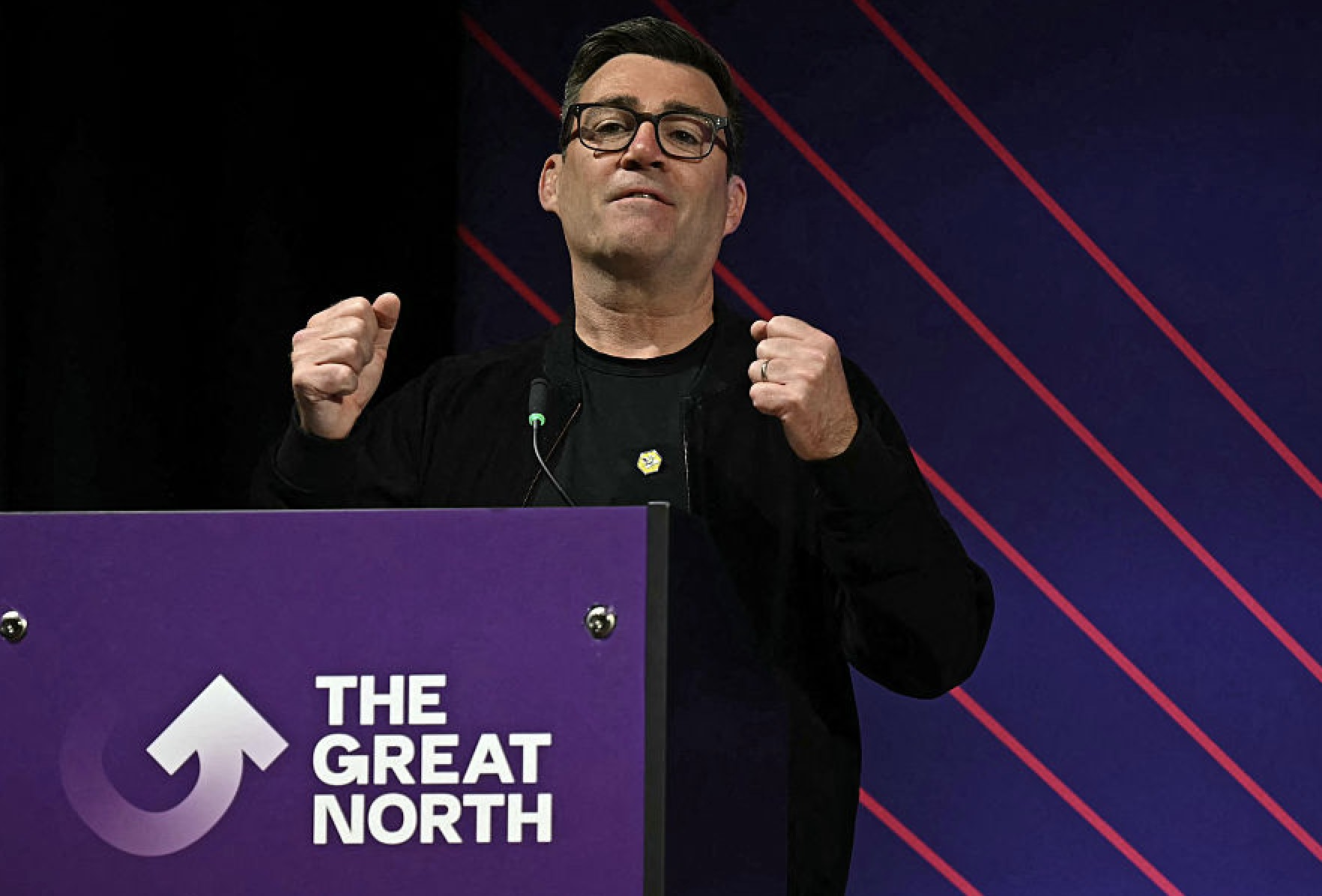
Earlier this week, it was reported that Andy Burnham was drawing up plans to move parts of the prime ministerial operation to Manchester — or as some have dubbed it, a “No. 10 in the North”. The details at the moment are slim, but as the FT reports, this could involve Burnham setting up a personal office in Manchester as well as further devolving some Downing Street operations. At first glance, it fits neatly with the political brand that Burnham has spent years cultivating: the Northern outsider taking power away from Westminster elites and bringing it closer to the people. But is there actually a problem that the move would solve?
It is true that many voters, particularly in the North, feel disconnected from the goings on of Westminster. Trust in politicians and Britain’s institutions has collapsed, and large swathes of the country feel like their concerns have been sidelined for too long by a political class that has stopped listening.
Burnham’s solution, then, seems to miss the point. A voter in Hartlepool or Burnley does not feel ignored because they are 200 miles away from No. 10. They feel ignored because they are struggling to find housing, can’t get a GP appointment, face increasing taxes, and continue to see high levels of immigration despite repeated promises to bring it down. It does not matter to these people where decisions are taken if those decisions do not materially improve their lives.
In this sense, Burnham’s proposal feels less like a solution and more like a branding exercise. Moving parts of the Downing Street operation up North may move some Westminster politicians and civil servants closer to voters geographically, but it doesn’t move them any closer in understanding. So why does Burnham want to make this move?
A cynic might think it is an attempt to manufacture legitimacy before he becomes PM. For many years in opposition, Labour politicians argued that replacing a prime minister without consulting voters was an affront to democracy. Now that Burnham stands to benefit from that same process, the principle appears flexible.
This leaves him with a glaring legitimacy problem. Not only has he not led Labour into a general election, but many voters will also question how a man who wasn’t even an MP two weeks ago can suddenly emerge as the new leader of the country.
Unlike most Westminster politicians, Burnham possesses a ready-made alternative source of political legitimacy. While he has no direct mandate to become prime minister, he does have one as the elected Mayor of Greater Manchester. For nearly a decade, he has cultivated an identity as a Labour outsider, building his reputation on standing up for the North against the central government. He famously challenged Covid restrictions during the pandemic, earning him the moniker “King of the North” among supporters.
But now he is about to inherit the highest office in the land through the very political machinery he built his outsider reputation opposing. With no direct mandate to be the prime minister, it makes political sense to try to ground his authority in the one place where voters have repeatedly chosen him.
Viewed through that lens, Burnham’s Manchester proposal has less to do with redistributing power to the North than with anchoring his premiership in the office for which he actually possesses a recent democratic mandate. Successful politicians are not accidental in their symbolism, especially when they are vying to be the prime minister. The first ideas that emerge are usually designed to communicate something deeper than the policy itself. The Manchester proposal is Burnham setting out his stall to the public.
By tying his potential premiership to the one office for which voters have repeatedly chosen him, Andy Burnham is attempting to wrap his path to No. 10 in a democratic legitimacy that the process itself cannot provide. Burnham wants Manchester to legitimise him. But the harder task will be whether he can legitimise the Westminster system that could be set to make him the prime minister through the back door.