









30 July 2026 - 3:00pm
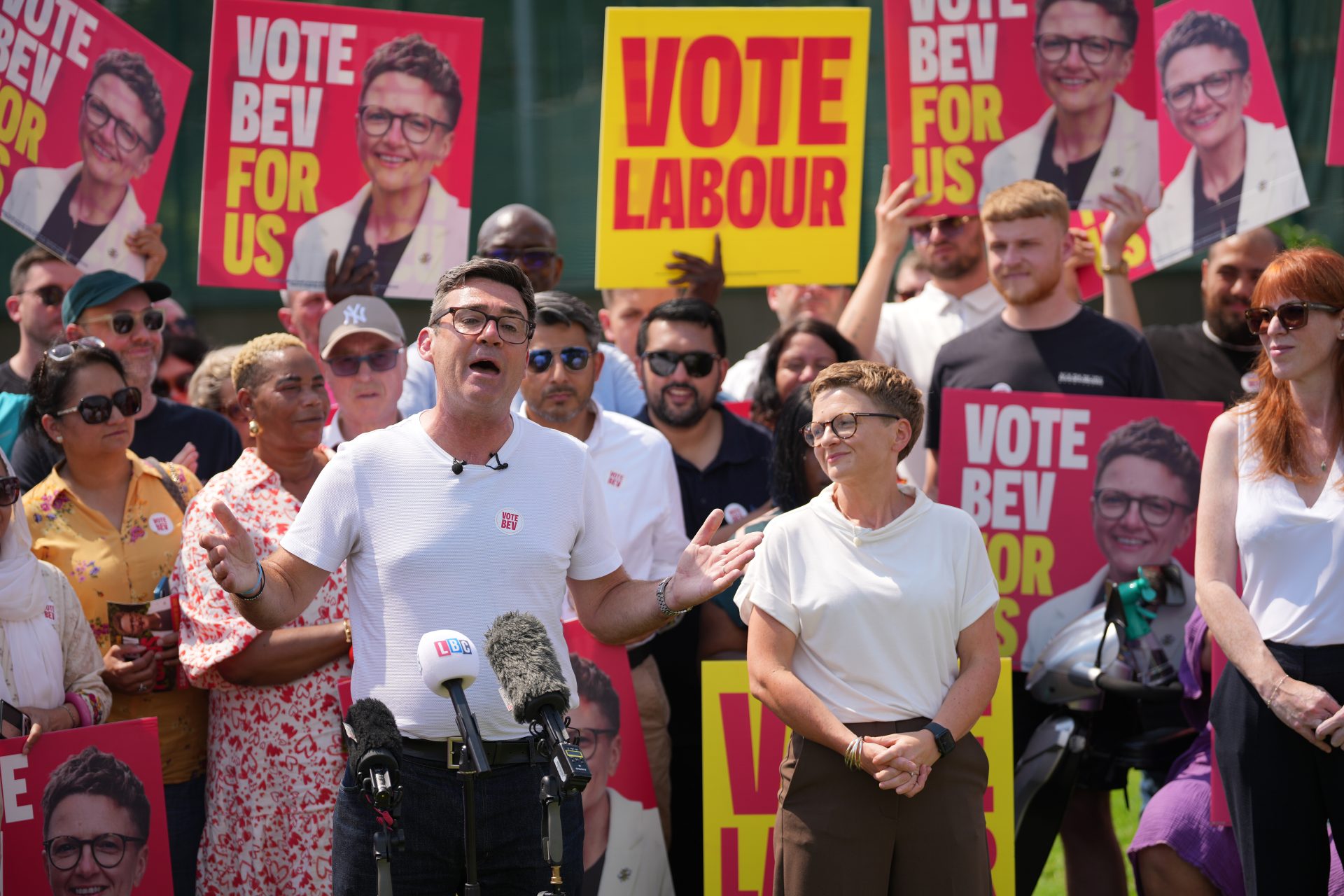
Britain’s biggest mayoral by-election ever, in which over 2 million people have a vote, is forecast to be a landslide win for Labour. According to recent polling, Labour candidate Bev Craig will likely secure Andy Burnham’s old job as Mayor of Greater Manchester with a strong lead over Reform UK’s Sian Astley.
The picture is transformed from just a few months ago, when the risk of losing the mayoralty was cited as a reason for keeping Burnham out of Parliament. Even if the by-election could be won, the thinking went, the cost of doing so would drain the party coffers.
Labour’s high polling in Greater Manchester is being put down to the “Burnham bounce” since the former Mayor became Prime Minister. But whilst Labour’s national polling is slightly up, signs of voters rallying en masse to Burnham are hard to find. Instead, it seems that Manchester is voting for the party of its favourite son.
In every previous contest for the mayoralty, Burnham secured over 60% of the vote, and in his last contest won every borough he sought to represent. In Makerfield, he increased Labour’s vote by almost 10 percentage points compared to the 2024 election. With such popularity in Greater Manchester, a win for a Burnham-led Labour party in the mayoral by-election is simply to be expected.
Burnham is far from the only political leader to act as a talisman for his party in their home region. In the Edwardian period, Joseph Chamberlain delivered Liberal Unionist victories in Birmingham even as the rest of the country turned against the party. The socialist Beatrice Webb recalled watching him address a public meeting at the 1906 election: “It is a wonderful sight watching these thousands of faces upturned in eager expectancy.” As Chamberlain urged, Birmingham voted.
More than half a century later another politician — Enoch Powell — dominated politics in many of the same towns and cities. After a catastrophic fallout with Tory leader Edward Heath, Powell urged people to vote Labour in the February 1974 election. His about-turn helped ensure more than a third of all Tory losses across the country came from the West Midlands. Commentating on the BBC’s election coverage, the psephologist David Butler dubbed the region “Powell country”.
By becoming Prime Minister, Burnham has already surpassed the achievements of Chamberlain, Powell, and the vast majority of politicians with power bases in provincial Britain. But will his regional popularity now translate to national appeal?
Gordon Brown was the last prime minister to be so identified with a part of the country beyond London and the South East — in his case, his native Scotland. And voters north of the border very much treated him as one of their own. In the 2010 general election — the only contest Brown led his party into — Labour held every seat it was defending and increased its vote share in Scotland. But in the much more electorally significant England, Brown was trounced. Labour’s vote share fell by 7.4 percentage points as the party lost 87 seats. Scottish support couldn’t prevent Brown from being ejected from No. 10.
Today’s by-election seems likely to confirm that Greater Manchester is, for now at least, Burnham country. But history has shown that provincial success is no guarantee of national popularity. Keeping the voters of Greater Manchester loyal to Labour is only the first — and easiest — of the electoral tests Burnham will face.
Lee David Evans is an historian of the Conservative Party and the John Ramsden Fellow at the Mile End Institute at Queen Mary, University of London. He is the author of Coronations & Defenestration: Choosing (and losing) Tory Leaders and the co-host of the podcast Since Attlee & Churchill.
 LeeDavidEvansUK