









7 December 2025 - 8:00am
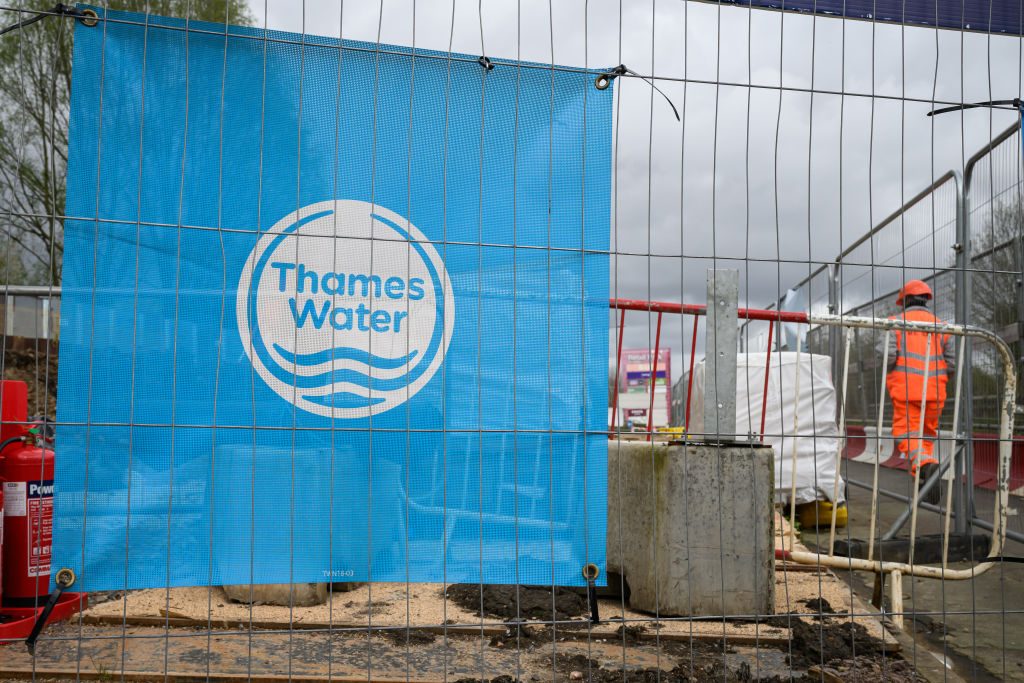
It is a particularly British paradox that one of the country’s biggest companies can both generate hundreds of millions in profit and be at imminent risk of bankruptcy. This is the story of Thames Water, which despite reporting £414 million in pre-tax profits for the first six months of the year is running out of cash. The company has borrowed an extra £1.47 billion since March, mostly to pay off the other debts it has already accumulated. This surge in profits has been caused by bills going up nearly a third. Apparently, though, it still isn’t enough to save the company, and Thames Water wants to increase them by twice that level. Farcically, the troubled company is actually taking regulator Ofwat to arbitration by another regulator in order to get the bill increases it wants.
All this is being done to avoid putting the water company into public ownership, an option that is obviously opposed by Thames Water’s owners. But in delaying this outcome, it has already cost billpayers £900 million in fees and interest for the emergency financing. The best-case scenario would see bills significantly increase to pay for more investment, based on expensive debt, all so that by the end of the decade investors can expect returns up to £600 million a year: higher bills, higher interest payments, more dividends. However, the real reason why the Government is avoiding nationalising Thames Water is because politicians do not think Britons can afford to invest in their own water industry, over 70% of which is held by overseas ownership.
They have good reason to think this. The Office for Budget Responsibility’s economic forecast estimated that the UK Government and businesses are planning to increase their net debt by £778 billion over the next five years. As household savings fall due to inflation and cost-of-living pressures, the OBR estimates that we will need to borrow £573 billion from the rest of the world. In a sense, Thames Water is a microcosm of the whole British economy.
If your aim is just to not crash the water system, a partial or full nationalisation of Thames Water that spooks overseas investors is something to be avoided at all costs. The obvious point is that like Thames Water, this economic model is completely unsustainable.
We thought that turning our utilities over global capital was the economic equivalent of a free lunch. We would get the rest of the world to invest in our water system, freeing up more of our own money to pay for consumption, and we would use the regulatory system to keep bills low and investment flowing. It’s like asking your neighbour to buy and maintain your house for you but then refusing to pay any rent increases. Not content with this, Britain decided to turn its whole economy over to global capital, because this seemed like too good an opportunity to miss. Unsurprisingly, infrastructure was not maintained, and the system was run down.
Except there is no such thing as a free lunch. Investors in Canada or Qatar couldn’t care less about the UK’s water infrastructure, and are now demanding sky-high bills to pay for the investment and returns that we should have undertaken ourselves years ago. The same logic applies to the British economy.
The only way forward is for the UK to start reducing its exposure to overseas debt through higher domestic savings to pay for the necessary investment. It will not be easy, but it will be cheaper in the long run and puts the country back in control of its own economic destiny. Nationalisation of Thames Water is the obvious place to start.
Andrew O’Brien is the former Director of Policy at the think tank Demos and currently Head of Secretariat of the Independent Commission on Neighbourhoods. He writes in a personal capacity.
 ADOBrien88