









12 July 2026 - 8:00am
In recent days, the US and Iran have engaged in a new round of escalating strikes and rhetoric. At the core of this escalation is a disagreement over access to the Strait of Hormuz, or more precisely over the temporary arrangements that the two sides reached in the Memorandum of Understanding (MoU) last month. These strikes happened as the Iranians took part in weeklong funeral ceremonies for Ali Khamenei, the supreme leader who was killed by the initial US-Israeli strikes at the end of February. The result was an emotionally charged atmosphere, with the world watching.
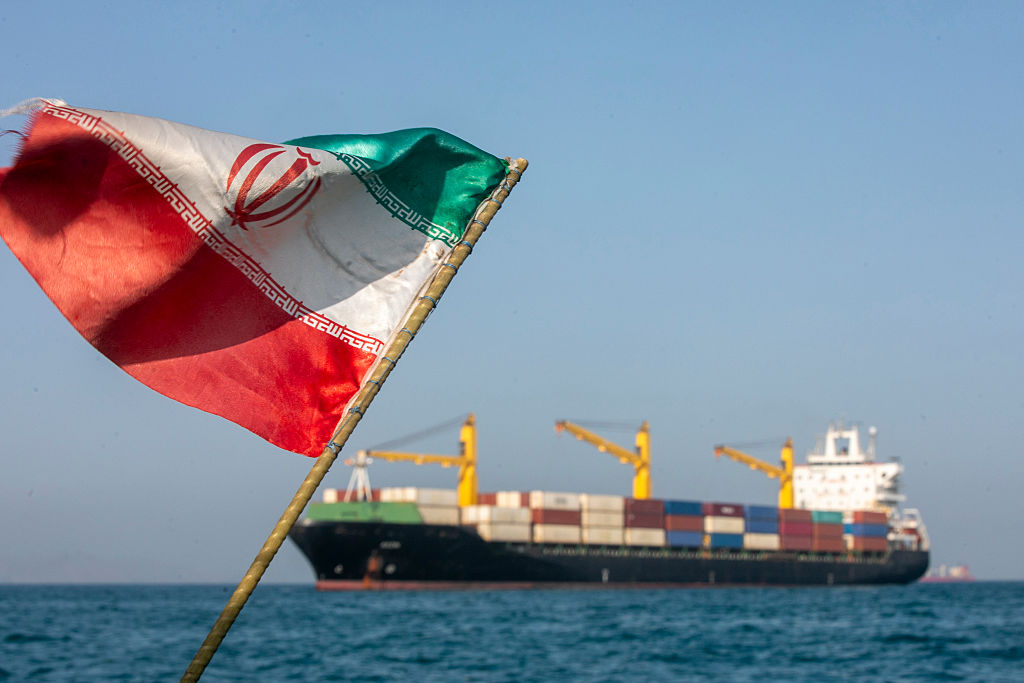
This latest escalation has been triggered by two different interpretations of the MoU terms. Iran understood the agreement as giving its regime the rights to control the passage of ships through the Strait of Hormuz. In the interim period before any final deal can be reached, this is not even about collecting fees. Rather, it is about Iran insisting that ships notify authorities when they want to pass through. In other words, it’s a permission slip.
Meanwhile, the interpretation of the US and many of the Gulf Cooperation Council (GCC) countries is that the Strait cannot be controlled by Iran alone. Oman borders the other side of Hormuz, and has created a passage path that is not approved by Iran. The GCC members are referenced in the MoU as the countries which should be consulted on the matter.
A fortnight ago, this disagreement led to a first incident, when Iran shot at a Singapore-flagged cargo ship which had failed to provide notification of its passage. Subsequent negotiations have reportedly explored a mechanism to notify both sides: Iran and the GCC maritime authority. Because no formal deal was signed before Khamenei’s funeral, the situation has remained ambiguous.
During the days of funeral ceremonies, Iran reacted by striking Saudi and Qatari commercial ships that were trying to pass through the Strait along the coast of Oman. Tehran accused the GCC of taking advantage of the distraction caused by Khamenei’s funeral ceremonies. The US Centcom responded with two rounds of strikes against targets considered a threat to free passage through the Strait, including many small speedboats. In a tit-for-tat escalation, Iran then sent missiles towards Bahrain and Kuwait.
This escalation carries suspicions of bad faith from both sides. In Ankara during the Nato summit this week, Donald Trump told the press that he considers the ceasefire over, though the negotiators may continue to meet. We are back to the “exchanging barbs” phase, with an uncertain future for the conflict. In the immediate aftermath of Khamenei’s funeral, the regime will be at its most irritable and reactive. Will the US have the patience to see this through? As long as it is in both countries’ long-term interest to find a solution, negotiators will have to find a way.
This is an edited version of an article which first appeared in the Eurointelligence newsletter.