









10 April 2026 - 1:00pm
Since entering power in 2024, Labour’s problem has been simple: a threadbare manifesto built on not being the last Tory government. It is politics defined by negation rather than conviction. Conversely, this is the core strength of Zack Polanski’s Green Party: it scarcely matters if any of the party’s beliefs are realistic, such is its leader’s air of determined purpose.
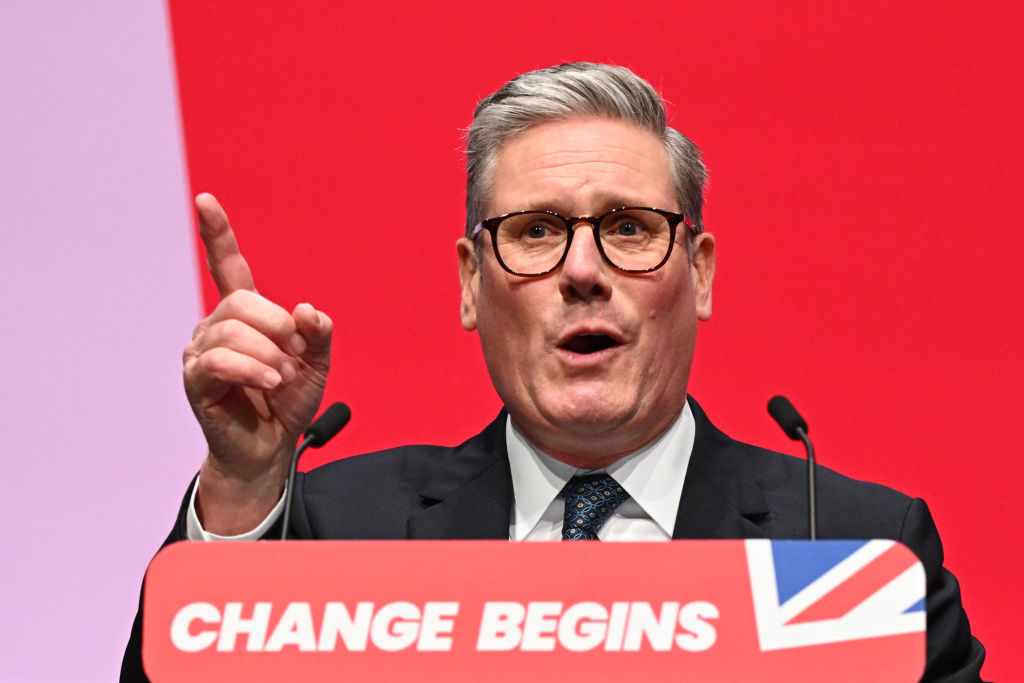
This point has become even clearer in recent days with the launch of the Greens’ local election campaign. Polanski’s party has pledged to implement rent controls, while addressing problems with social housing, and is arguing against the “excess profits” of private developers. The Green Party is devoting its energies to attacking Keir Starmer from his Left, and has a clear overarching narrative to achieve this. If Polanski says the problem is systemic exploitation and the answer is control and redistribution, what is Labour’s answer? The party is no longer arguing in a vacuum: it is being forced to narrate and sell a competing story.
But, if its current strategy is anything to go by, Labour is not doing well on this front. Set against Polanski’s zeal, Labour’s communications look unambitious and, worse, boring. It’s a staid managerialism, stripped of any tangible source of hope. This is evidenced by Rachel Reeves’s strict adherence to “fiscal rules”, a phrase that evokes a worship of economic orthodoxy rather than a vision to change Britain’s dim economic prospects.
What’s worse is that Starmer has increasingly cracked under the pressures of No. 10, having faced the same constraints as his Tory predecessors despite his large election victory and the promise of a fresh start. The U-turns, which have now come to define his time as PM, point to a premiership that lacks confidence in handling big decisions and the scrutiny that comes with them.
That’s even despite making progress in areas long neglected by the last government, with liberalising reforms to the National Policy Planning Framework and “grey belt” designations. On housing, Labour appears to grasp the problem: Britain suffers from policy-induced scarcity, not developer exploitation. But this is precisely the issue. Building more homes is not just a policy. It is a political story about abundance and trade-offs, rooted in deeply personal dreams and aspirations. That narrative is not being woven by Labour.
That example touches on the broader problem of Starmerism. Like Rishi Sunak, Starmer campaigned on competence, without laying the groundwork for thinking about what was broken and how to fix it. That kind of mandate quickly unravels as the scandals and storm clouds of governing gather. Starmer is said to have once thundered to aides that “there is no such thing as Starmerism, and there never will be.” The absence of a guiding philosophy now shows. No wonder we’ve seen a drift to the soft Left, as Starmer’s authority has ebbed away.
By contrast, the Green offer is simple. It’s easy-to-understand Leftism, blasted over TikTok: rent controls, wealth taxes, a larger state. It’s the politics of reallocating the rations, not creating abundance. Its appeal lies not in its realism, but in its clarity.
Polanski and Nigel Farage are doing so well in the polls because voters do not tend to choose between spreadsheets. After two decades of stagnation, centrist liberalism cannot assume it still holds all the answers. The insurgents clearly understand something which Labour does not: people vote on stories. If Starmer can build a competent narrative on the (admittedly modest) successes that he and his party have achieved during their short time in government, he may finally be able to counter the threat from the Left.
