









25 May 2026 - 4:00pm
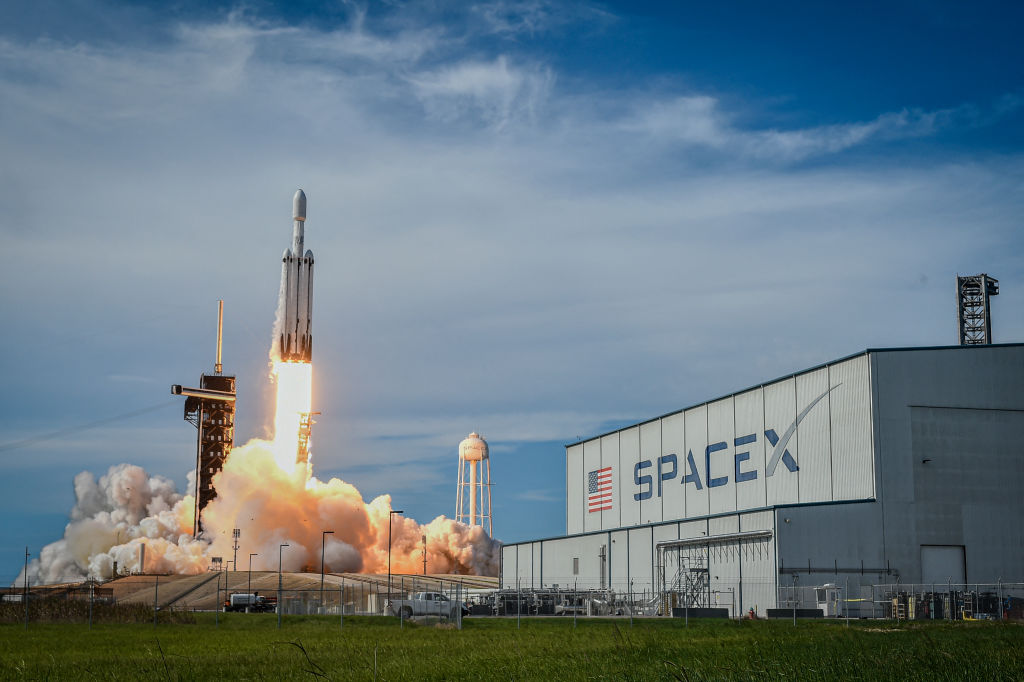
The coming IPO for SpaceX matters less for its gargantuan size than because it marks a dramatic change in the tech sphere. The IPO has the potential to make SpaceX one of the world’s most valuable companies, given suggestions that the listing could raise $80 billion in funding. This is far higher than the $26 billion raised by the world’s most profitable company, Saudi Aramco, in 2019. More significantly, however, after decades in which software has ruled America’s stock market, the SpaceX IPO represents a step towards a new age where the most valuable tech companies are centred around space. This signals a broader shift in investor confidence away from purely digital platforms and towards physical, infrastructure-heavy innovation.
Whereas the enormous wealth of Google, Microsoft, Meta, Apple, and Amazon is built on improving the experience of the internet, SpaceX and other rising space firms are expanding the human horizon into space. This is significant, as it suggests that the next era of technological dominance may lie in scientific expansion and the resulting industrial capacity, rather than internet infrastructure. The potential is almost incalculable. Global space industry revenues have grown to over $600 billion in the past few years and are projected to hit $1.8 trillion by 2035. Clearly, investors view the sector as a long-term economic frontier.
The money to be made extends beyond the development of rockets. Venture capital investment in projects that fund missions to other planets is increasing. Some firms are directly developing technologies for off-Earth operations, including Intuitive Machines, the Houston-based company that recently achieved the first American moon landing in more than 50 years. Clearly, investors know that the government will no longer have a monopoly on space tech.
But what will prove to be the real commercial opportunity is industrial capacity in space. Pharmaceutical companies are looking to firms such as Varda Space Industries to work on the development of new drugs during orbital missions. In these conditions, microgravity could lead to the creation of vaccines and medications that are far more difficult to replicate on Earth. Space could therefore be seen as a viable platform for industrial expansion.
This is also where a production boom could occur in the AI sphere. Building an AI data centre in space may even reverse the mounting reaction against infrastructure development on Earth; it could become the locale for data centres, solar platforms, and critical mining operations. It’s not even that far-fetched, considering that more companies are entertaining the idea. At a time when backlash to data centres, particularly in rural America, is mounting, this could be politically expedient and financially valuable.
This IPO is more than a financial event: it represents an opportunity to propel humanity towards a greater future. SpaceX, Nasa and other startups will face competition from the likes of China and Russia; but for now, the IPO is a good case for the continued technological supremacy of the US. America now launches more orbital rockets than the rest of the world put together. In what has been an otherwise dispiriting 250th anniversary, the company and its competitors demonstrate that, whatever its blemishes, the United States is still the country forging the planetary future.
Joel Kotkin is a Presidential Fellow in Urban Futures at Chapman University and a Senior Research Fellow at the Civitas Institute, the University of Texas at Austin.
 joelkotkin