









3 July 2026 - 10:00am
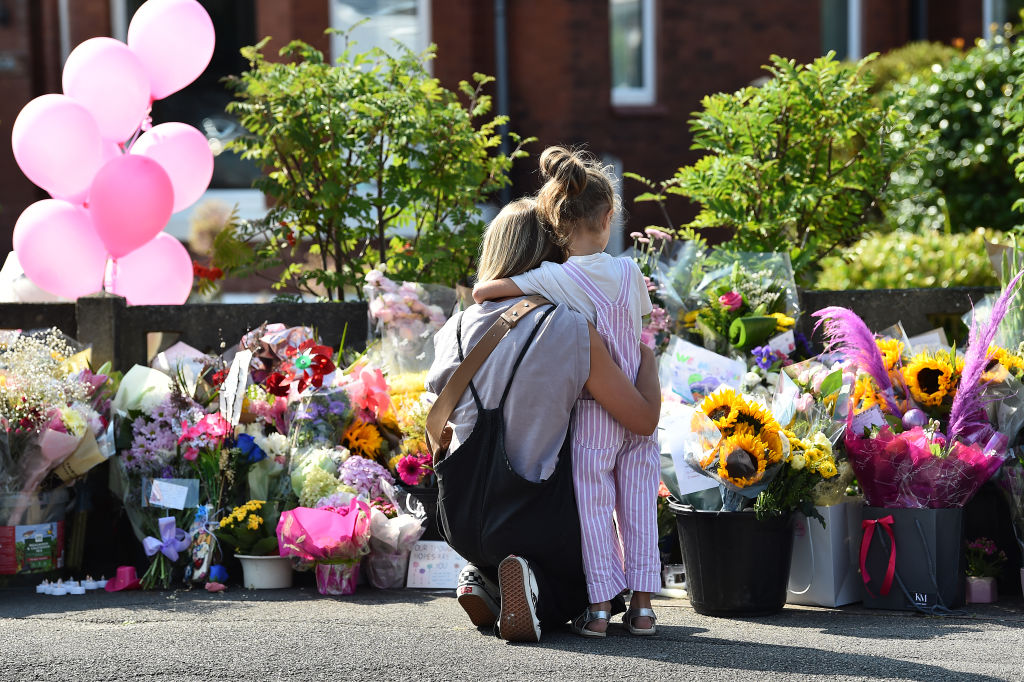
Home Secretary Shabana Mahmood this week promised to right the wrongs identified by the inquiry into the July 2024 killing of three young girls in Southport. But is the British state courageous enough to take the measures needed to avoid a similar atrocity in the future?
Phase 1 of the Southport Inquiry resulted in the publication of a 763-page report, in which chairman Adrian Fulford called for the end of what he described as a “culture” of agencies shirking responsibility for cases. Referring to this as the “single most important conclusion” of the report, he added that it was this failure which allowed Axel Rubakubana to carry out his attack two years ago, despite a series of warning signs pointing towards the teenager’s capacity for violence. The report also focused on a serious incident back in March 2022, when Rudakubana was reported missing and found by Lancashire Police officers on a bus with a knife. Fulford described this incident as the “most marked example of the consequences of poor information sharing”.
Much of the inquiry’s emphasis has been on the institutional failures which led to the murders. The Rwandan-heritage Rudakubana — who had a morbid obsession with genocide, terrorist attacks, and school shootings — was referred to the UK’s anti-terror Prevent programme on three separate occasions. However, in the absence of a clearly identifiable ideological motivation, he slipped through the cracks — with utterly tragic consequences.
What appears to have been overlooked, though, is the way in which the Southport atrocity relates to questions of immigration and integration in Britain. Rudakubana’s parents entered the UK as refugees after fleeing the Rwandan genocide and were subsequently granted asylum in the UK in 2003. Fulford concluded in his report that if they had done “what they morally ought to have” and reported their son’s dangerous behaviour — which included stockpiling bladed weapons and purchasing bomb-making ingredients — then Axel would not have been free to carry out his attack.
A contributing factor to this crime — which is likely to be too politically sensitive for the Southport Inquiry to address adequately — is the British political establishment’s idealistic understanding of refugee integration, including the domestic-born children of those granted asylum by the UK. Refugees from conflict zones frequently carry personal trauma which complicates integration, with “homeland experiences” feeding suspicions of Government officials, law enforcement, and formal institutions, as well as inhibiting natural inclinations towards “social cooperation”.
In this context, it is worth recognising that in Rwanda, Rudakubana’s father Alphonse was a member of a Tutsi opposition militia fighting against Hutu-led rule. The notion that refugees who receive sanctuary in the UK will automatically feel positively about the British state is a highly questionable one. Meanwhile, the children of refugees are themselves at higher risk of psychiatric disorders in their host country. The experiences of “collective traumas” rooted in war and genocide can be passed down to the descendants of refugees, manifesting as elevated levels of physical aggression and emotional dysregulation.
Learning the lessons of Southport should not only involve identifying forms of gross institutional negligence and pinpointing where the blame lies within multi-agency frameworks. It should also be a major wake-up call when it comes to our broader national understanding of the relationship between migration and security — especially the elevated public-safety risks posed by those with backgrounds which can be traced back to countries with a recent history of civil war and genocidal violence. Without sufficiently engaging with this issue, the Southport Inquiry will not come closer to understanding why this horrific crime took place and the country will be deprived of the serious conversation it needs on future refugee policy.
