









27 Nov 2026 - 5:15pm
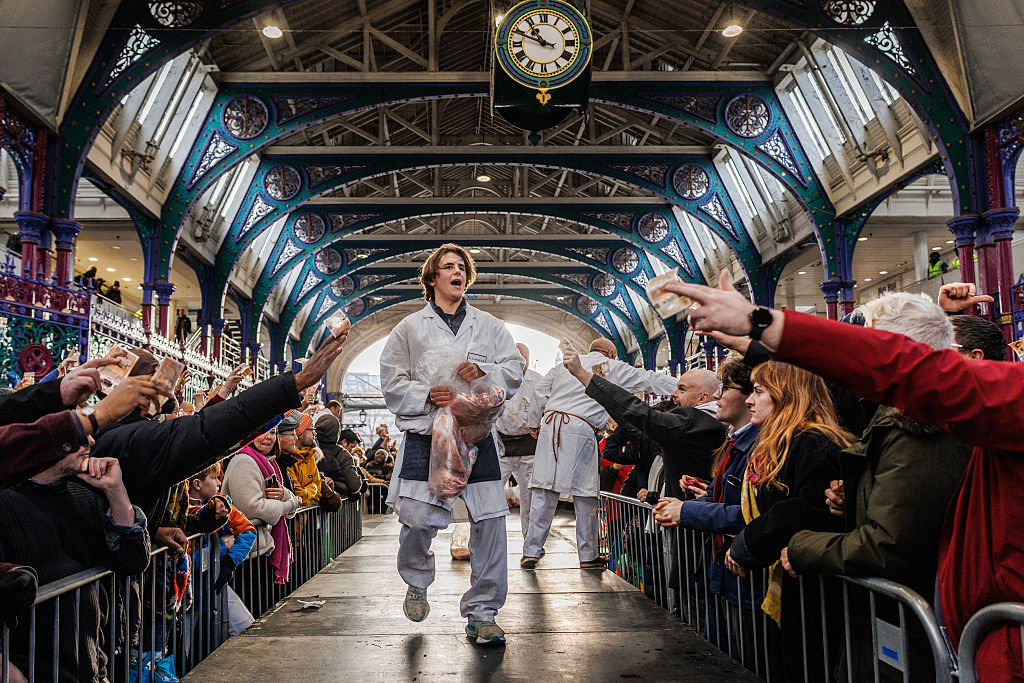
Since the 12th century, Smithfield Market has been home to London’s livestock traders. Yet despite this storied history, the City of London Corporation decided last year to relocate these traders to Albert Island next to the City Airport from 2028.
Now, the Smithfield site is being carved up by property developers and regenerators. Smithfield’s General Market on Farringdon Road, which has been derelict for nearly 30 years, is being reopened as the London Museum this Saturday. Alongside that — and instead of helping to preserve the vibrant and iconic meat market in its original location — the City is planning a “creative-industry hub”.
The changes point to the priorities of Britain’s civic leaders. While use should certainly be found for derelict space in Smithfield, what these two projects reveal together is a preference for killing London’s living history, preserving it in amber and pursuing property development and rental incomes over the traditions that gave the City its prestige.
Curators, consultants and culturologists have arrived to tell us what should come next: fashion weeks, design festivals, and food kiosks. And what culinary experiences will they dream up in the market’s stead? The museum’s opening will be celebrated with a DJ collective sponsored by the Morley’s chicken shop chain.
The museum has also announced a series of events and experiences celebrating the city’s food, called “London Tastes”, starting from the assertion that “London has very few indigenous dishes.” That, however, neglects the food that came out of chophouses, oyster bars, coffee houses, pubs and private members’ clubs — not to mention London porter, bubble and squeak, Chelsea buns, and anything with even a hint of something royal. The museum gives a rather pathetic nod to pie and mash, before dismissing its “terroir” as now being in Essex and Kent. And in response to its own question “what is London food, really?”, its answer is the curry houses of Brick Lane, which it calls London’s food “in microcosm”.
If this is what is to be made of the rich history of one of London’s most prominent food markets, the situation is truly dire. But luckily, the disdain for English food is becoming increasingly unfashionable, even if museums and local councils are among the last to notice.
Across the road from Smithfield, earlier this month, the young chef Elliot Hashtroudi opened B. Penhale, a restaurant in a listed building and former Lyon teashop drawing upon Victorian British and Irish cooking. His great-grandmother was a Smithfield butcher. Here is a young Londoner sufficiently enamoured with his culinary inheritance to stake his livelihood on it. There are at least three other neo-Victorian or neo-Georgian restaurants — Simpson’s in the Strand, Teal, and Cloth Cornhill — that have opened in the last nine months alone, doing very similar things.
This affection, the kind people on which are willing to spend their hard-earned money, is how these culinary traditions and “indigenous foods” survive, not through hollow renovations that gut culture and cost hundreds of millions of pounds. Many Londoners are falling in love with their own history again. Unfortunately, the people in power have yet to notice.