









11 December 2025 - 10:10am
In 1904, the Entente Cordiale between Britain and France laid the foundation for an alliance that would persist through two world wars — and which still underpins the military capabilities of Europe today (or, at least, what’s left of them).
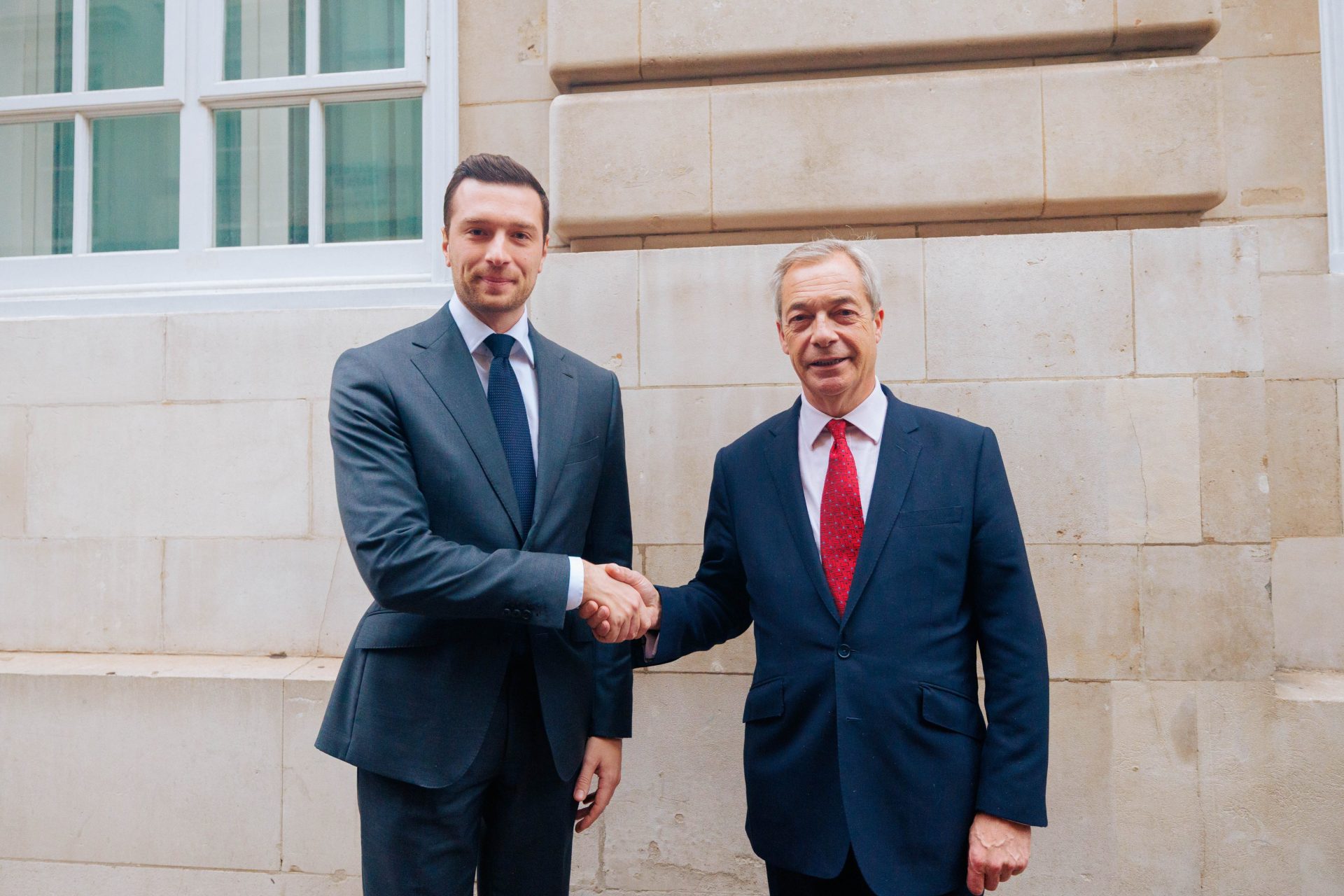
But this week could mark the start of a new chapter in Anglo-French cooperation. The occasion wasn’t a government-level summit, but the first ever meeting between Reform UK leader Nigel Farage and Jordan Bardella of the Right-wing populist National Rally (RN). The latter is now favourite to win the French presidential election in 2027 and Reform UK is odds-on to win the next British general election, but the fact is that an entente populiste is already changing Europe.
From Jordan Bardella’s point of view, by far the biggest obstacle to his freedom of action is French membership of the European Union. There is, of course, little chance of France following the UK out of the EU if Bardella wins in 2027. Thanks to the monkey trap of monetary union, Frexit would be incomparably more painful than Brexit. Indeed, a key moment in the RN’s rise to electability was Marine Le Pen’s 2017 decision to abandon her party’s promise to quit the EU and the single currency.
So the new RN objective is to change the EU from within — and it is in this respect the populist Right is advancing.
In the 2024 elections to the European Parliament they secured their highest ever share of seats (27%) — and the latest polling suggests that all three populist factions have since strengthened their position. Crucially, mainstream conservatives in the European People’s Party are now cooperating with the populists to win key votes. Last month a united Right voted down regulations in the so-called “Sustainability Omnibus” of new environmental legislation. The significance isn’t just the individual votes, but the fact that the old centrist bloc of social democrats, liberals and pro-EU conservatives can no longer be sure of a majority.
Another sign that the EU is adapting to the shifting balance of power is the package of immigration control measures agreed at a meeting of EU justice and home affairs ministers earlier this month. This includes setting up “removal hubs” outside of the borders, similar to the Rwanda scheme promoted by the previous UK government and then cancelled by Labour.
Of course, if he becomes president, Bardella will seek to accelerate the pace of change in Europe. And in that respect, the relationship with a Farage-led Britain could prove to be pivotal. Because of Brexit, the UK is in a position to go further and faster than the lumbering EU — for instance, by quitting the ECHR altogether (which both Reform and the Conservatives now intend to do).
Bardella told the Telegraph that, as president, he’d allow the British authorities to intercept illegal migrants crossing the Channel in small boats and return them to the French coast. That would be a major concession on the part of the French government, but one designed to build international consensus for a similar pushback policy in the Mediterranean.
Bardella would still have to contend with the interpretation of international law in the form of the ECHR and other agreements, but those are underpinned by the consent of sovereign governments that freely submit to them. Bardella is betting that if a critical mass of Right-wing populist leaders are elected or re-elected across the Western world, then treaties can be amended or reinterpreted.
The irony is that with both Bardella and Farage in power, Britain could be a bigger influence on Europe than it ever was within the EU.
Peter Franklin is Associate Editor of UnHerd. He was previously a policy advisor and speechwriter on environmental and social issues.
 peterfranklin_