









16 August 2026 - 8:00am
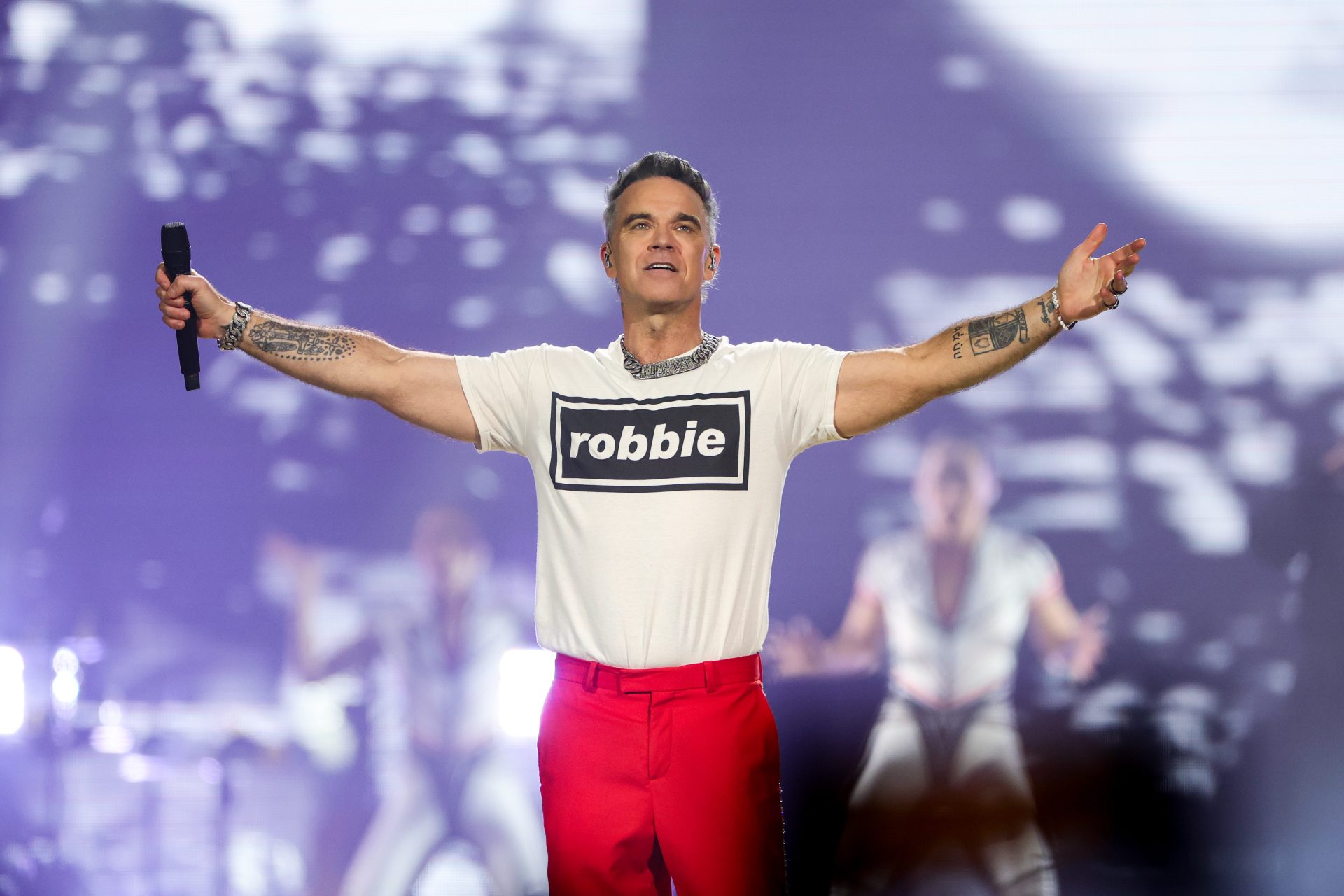
Robbie Williams may be unusually famous, but his growing list of mental health diagnoses is familiar. Williams has already been through addiction, depression, anxiety, ADHD and, more recently, what he calls his “inside Tourette’s”. He joins more than one in five people aged 16-64 in England who now have a common mental health condition, a 20% increase since 2014. Now he is adding another to the list, after announcing an autism diagnosis.
Williams seems very happy with this turn of events. “I actually fucking love [the diagnosis],” he told an audience at a Q&A event, because “it explains so much”. Better still, he said, “it is my get-out-of-jail-free card now, and all the weird shit that I do I just say, ‘Sorry, I’m autistic.’”
He is obviously joking, but the episode highlights a more important issue. For many, psychiatric diagnoses now offer not only an explanation for behaviour but a kind of moral mitigation. If you behave badly or at the expense of others because your brain supposedly works differently, other people are expected to make allowances. In my clinical work I have seen just that: the same teenage behaviour described as rude or aggressive in one child can, once an autism diagnosis is known, be sympathetically reframed as “dysregulation” in another.
But why? Until relatively recently, a psychiatric or neurological diagnosis was something most people hoped to avoid; today, they are often actively sought. Doctors are accused of selling them, while many parents pay privately to obtain diagnoses for their children, as it can be very difficult to get extra support for a child without one. This system has created an unprecedented thirst for diagnosis. As Williams shows, it has also created a weird caste system whereby those with diagnoses are allowed to behave in ways that “neurotypicals” aren’t.
I often meet young people with a psychiatric diagnosis who tend to believe that everyone else — the neurotypicals — live easy lives. They believe that most people don’t feel neurotic, insecure, fragile and emotional, while their “broken brain” is the reason for all their despair.
Yet the vast majority of people spend their lives grappling with difficult emotions. If people who have been diagnosed with a condition believe that everyone else is somehow spared this turmoil, then it is no wonder they seek extra accommodations for turning in an essay late, arriving late for work or failing to manage their emotions.
There is no blood test or brain scan that can tell us whether someone has autism, ADHD or any of the major psychiatric diagnoses. These diagnoses have been defined largely by clusters of behaviours, symptoms and reported experiences. The Diagnostic and Statistical Manual of Mental Disorders (DSM), the bible of American psychiatric diagnosis, is written and revised by committees of experts who decide what constitutes a disorder and where its boundaries lie.
Homosexuality was once a psychiatric diagnosis; now it isn’t. In 2013, Asperger’s disorder was removed from the DSM and incorporated into the broader category of autism spectrum disorder. The International Classification of Diseases (ICD), used widely outside the United States, continued to recognise Asperger syndrome until eventually it was also incorporated into autism spectrum disorder. These categories are as much cultural creations as scientific ones. Yet despite these fluctuations in definition, we talk about such categories as though they describe concrete biological types of human being, whose brains have been scientifically proven to work differently from everyone else’s.
The question, in the end, is whether a diagnosis helps. It can help a child access resources in school and bring greater sympathy and understanding. But “help” is a fuzzy concept. Does it help in the long term if a person comes to believe they are irreparably broken?
Today’s social hierarchy is increasingly organised around the victim and oppressor spectrum, and a diagnosis can confer a useful moral status. The perceived victim can now be a multimillionaire like Robbie Williams. But perhaps we should be more careful before dividing humanity into those whose brains are apparently different and those whose brains we have decided are “normal”.
Stella O’Malley is a psychotherapist and bestselling author. She is Founder-Director of Genspect, an international organisation that advocates for a healthy approach to sex and gender.
 stellaomalley3