









2 October 2026 - 7:00am
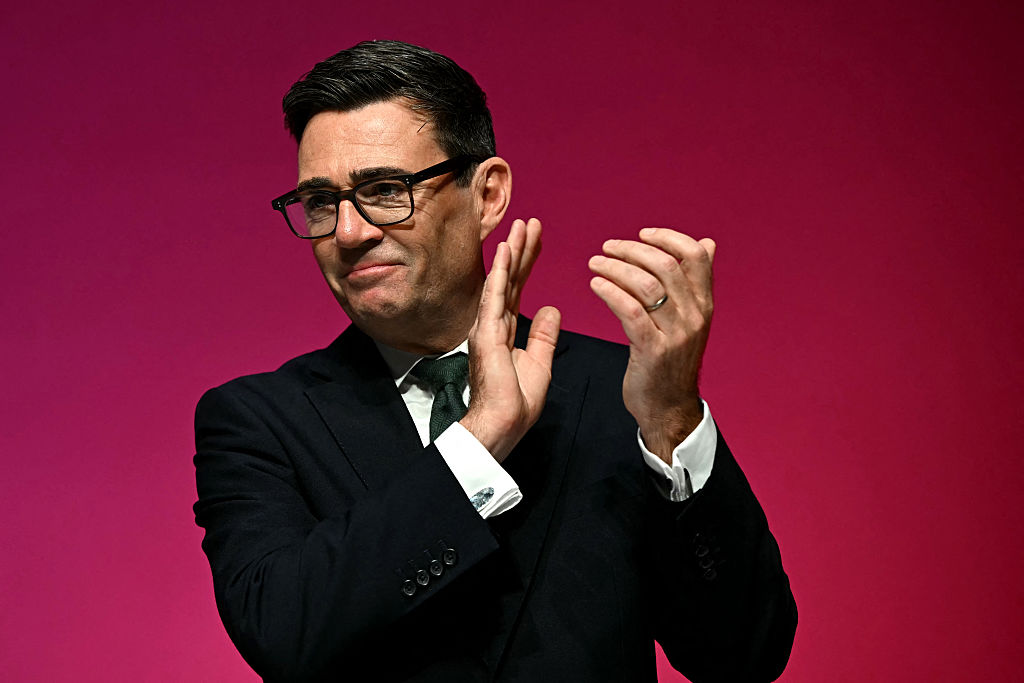
At the Labour Party Conference earlier this week, Andy Burnham hammered the penultimate nail into the coffin of the Right to Buy policy. While the scheme has already been abolished in Scotland and Wales, Burnham announced that all new social housing would be exempt from potential tenant purchase. Earlier in this parliament, Housing Secretary Angela Rayner lifted the residency threshold from three to 10 years. The move is therefore chiefly symbolic, with sales now a fraction of their peak. But by helping the most aspirational social tenants, gutting council wealth, and creating and enriching more landlords, the scheme has long since achieved its intended effects.
There has always been a gap between the stated intentions and unstated effects of the programme. While allowing millions of households to gain access to property ownership, Conservative leaders never intended council stock to be replenished. The gains and stability it brought to working-class households should be acknowledged and celebrated, just as the costs to councils and future private tenants should be condemned.
Contrary to the popular narrative, a small number of Conservative councils started to sell some of their council housing before the ascendancy of Margaret Thatcher, including Nottingham in the mid-Seventies. Her 1980 Housing Act opened the floodgates, allowing all council tenants who had been resident for three years to buy their homes. Labour councils were overruled in court for any attempts to block the sale of municipally-owned stock.
Through the rest of the decade, the discounts on offer increased: certain tenants would enjoy 60% off from 1984, and residents of flats were offered 70% reductions from 1986. Such low returns for public assets — and the directing of much of the cash to HM Treasury — ensured stock replenishment would be impossible. As the historian John Boughton wrote in his 2018 book Municipal Dreams, “there was no pretence that new council housing was to replace homes lost to the market. In 1978-79, 79,160 new council homes were started in England and Wales; by 1996-97, that figure had fallen to 400.”
The scheme has, since its mainstream introduction in 1980, allowed slightly over 2.5 million households to buy their council property across the UK. The great majority of purchases happened in the previous century: as many were completed in the first five years of the Eighties as have been completed since 2000.
But of those former social homes, slightly over 40% are now privately let. In other words, a not insignificant minority of the five million or so private rental properties in the UK were built by councils, bought privately well below market value, and are now let out at much higher rates to young renters, who delay marriage and family formation in the meantime, or poorer renters, funded by the taxpayer.
Burnham will be criticised by some for punishing the dwindling number of tenants interested in purchasing their homes, at a moment when social housing is under fire from the political Right. There has been loud debate about the continuation of social housing access for foreign nationals, and criticism for the economic inactivity of social tenants in city centres. These are not, however, explicit discussions about the ownership of stock, but instead concern allocation and resident profile. Growing emphasis on the allocation of social housing to the most disadvantaged, known as residualisation, occurred throughout the Seventies and Eighties, and helps account for the decreased rates of tenant purchase observable today.
But there are under-explored opportunities — supporting and stabilising local working families — only available with publicly owned housing stock. These discussions, along with the Government’s continued struggle with overall housebuilding figures, will not end with Right to Buy.
