









8 March 2026 - 4:00pm
We live in a comprehensive country. We speak and read a comprehensive language, buy our goods in comprehensive shops, travel by comprehensive transport, and watch comprehensive TV. We are ruled by comprehensive politicians, and we have a comprehensive church and a comprehensive monarchy.
Egalitarianism and hostility to elites of any kind are now bred into everything we think and do and say. This was intended by Tony Crosland, the Labour radical who was wildly keen to close the grammar schools and reckoned — correctly — that the policy was a more powerful boost to socialism than nationalisation.
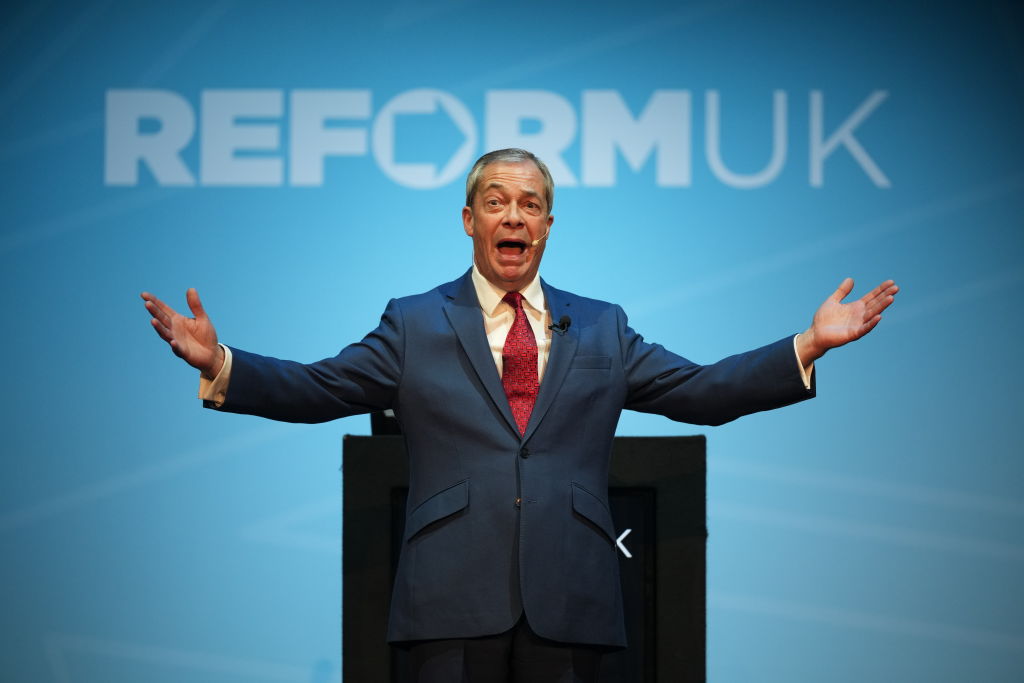
Now, there are reports that Nigel Farage would bring back grammar schools if he were to become Prime Minister. I doubt it.
The Tories, out of whose corpse Reform has emerged, had never been the friends of grammar schools, which Evelyn Waugh accurately described as “a scheme of giving education away free to the deserving poor”. In their long years in power between 1951 and 1964, they opened very few, despite the absurdly uneven distribution of them in the country.
In several areas, they allowed comprehensive schemes to flourish because they were cheaper. They ignored the blazingly predictable arrival of the post-war “Baby Bulge” (the forgotten British name for what we all now call the “Baby Boom”) in secondary schools in 1956 and 1957. They failed to open more than a smattering of new grammars.
As a result, they created a severe crisis, in which many thousands of children who would normally have qualified for grammars were sent instead to Secondary Moderns. This made the 11-plus exam unpopular with the English middle class, and gave the dogmatic campaign for comprehensives, led by the Marxist aristocrat Brian Simon, widespread political clout for the first time.
The era is still remembered and resented and lives on in anti-grammar propaganda to this day. People believed Labour bilge about comprehensives providing a “grammar school education for everyone” because they wanted to. And the massacre of grammars, which began in 1965, was not halted by the Tories. Far from it. The few that survived could not sustain the standards they once held, because the national examination system was inflated from the early Seventies onwards, so that it would not give too many failing grades to the new comprehensives.
This was all a great boon for the fee-charging schools, which until 1965 were being knocked sideways by competitors from grammars and their close relatives, the Direct Grant Schools. After the 1968 cultural revolution, they could waltz their pupils through the new soft exams and appear far better than they were.
And all this was going on as the revolution raged bubonically through every institution, doing immense damage of a different kind. Those who remember the era will say that it often felt as if someone had put something in the water. Grammar schools had mostly not been created by the state. The few that had, had often been founded by working-class pioneers angrily determined to ensure that the sons and daughters of coalminers should have as good an education as anyone in the Kingdom. They pre-existed any government interest in education. Many of the schools which eventually became “Public” boarding schools had originally been grammars dating back to the age of Shakespeare. Their traditions and moral force, gowned teachers, strict discipline, serious Christianity, hard teaching and hard marking had mostly been created over centuries.
I can think of no other educational reform anywhere, ever, based on the mass destruction of hundreds of good schools. This one was. And you can no more recreate good schools than you can revive an abandoned tradition. Where will you get the teachers to teach in them, or the pupils to study in them? Reform’s scheme to bring back the grammars, like most of its other ideas, is just a slogan.
Peter Hitchens is a columnist for The Mail on Sunday and author of A Revolution Betrayed.
 ClarkeMicah