









24 February 2026 - 7:00am
Speak to any Anglican cleric with significant experience of parish ministry, and chances are they will have horror stories about the “heritage crowd”. That is, the people who hold strong opinions about the building, the bells, the roof, the state of the churchyard, the political opinions of the bishop, and even the liturgy, but are rarely, if ever, in the pews on a normal Sunday.
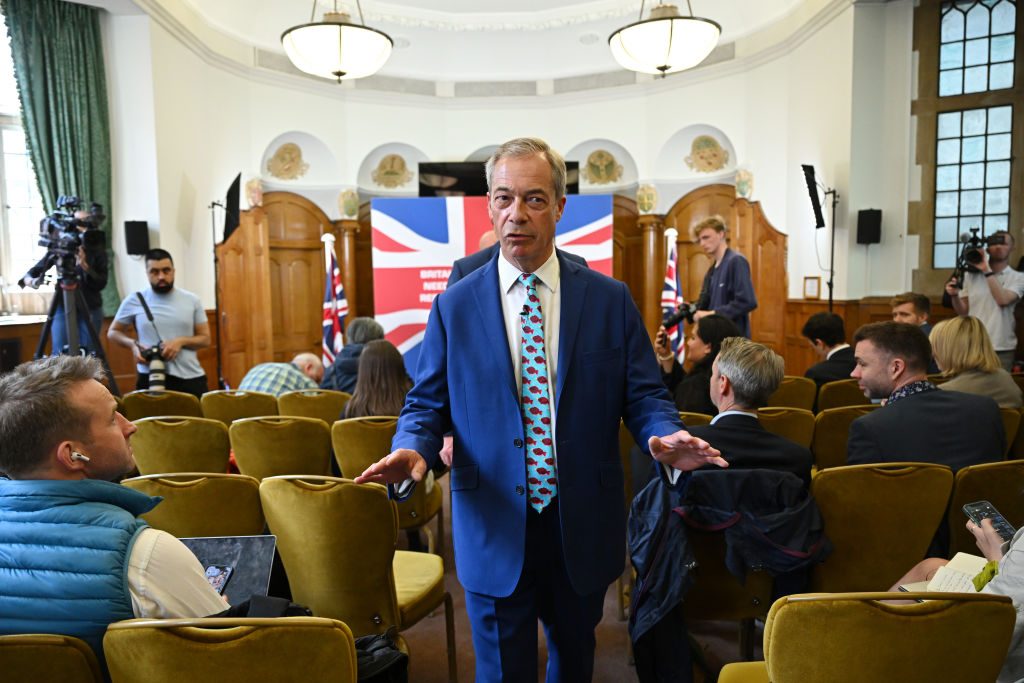
Now it appears that Reform UK has joined the ranks of those for whom Christianity is less a real, everyday religious commitment, and more an adjunct to their traditionalist vision of Britain. The party’s home affairs spokesman Zia Yusuf pledged on Monday that, under a Reform government, all Christian places of worship will be automatically listed.
The impulse here is understandable. Despite all the changes of the last half-century or so, much of British life remains unintelligible unless the foundational role played by Christianity is understood. This was, after all, the dominant religious belief in the country for well over a thousand years. The monarchy, the law, our institutions and customs and manners: all have been shaped deeply by the faith of our ancestors.
But even putting to one side the bureaucratic difficulties posed by automatic listing, which can add layers of complication to even the most minor changes to the fabric of a building, we should be cautious about enlisting the faith in the cause of national populism. Alongside the alleged “quiet revival”, it has become routine to see atheist or at least sceptical English Right-wingers assert that this is a “Christian country”. What this often means as a political proposition is the cross being used as a badge of national identity — as a rhetorical weapon against progressive ideology, mass immigration and the growing ethno-religious horse-trading that has come to characterise politics in some Northern and Midlands cities.
Needless to say, there are dangers lurking here. The ultimate purpose of Christianity is transcendent: it ought to go above and beyond worldly considerations, and cannot be subordinated to them. The promises to which believers hold speak of a final unity of all the divided peoples of the world. History offers numerous examples of Christians who have allied themselves too closely with a particular political order, to the detriment of their own witness, from the feudal bishops of the Middle Ages to the Russian Orthodox clergy who tried to make their peace with Communist rulers.
Christians are permitted to be patriots. Indeed, some readings of the Commandment to “Honour thy father and mother” suggest that patriotism is obligatory. A “post-national” approach to political theology which actively opposes borders and the right to self-determination, of the kind which some US Catholic bishops have appeared to advocate in recent debates about the Trump administration’s deployment of ICE, is not well supported by either the Bible or tradition. But we must always recall that Christianity and patriotic politics are two things, not one. For the conscientious Christian who is also committed to a political movement, there will always be tensions and conflicts.
