









23 August 2026 - 8:00am
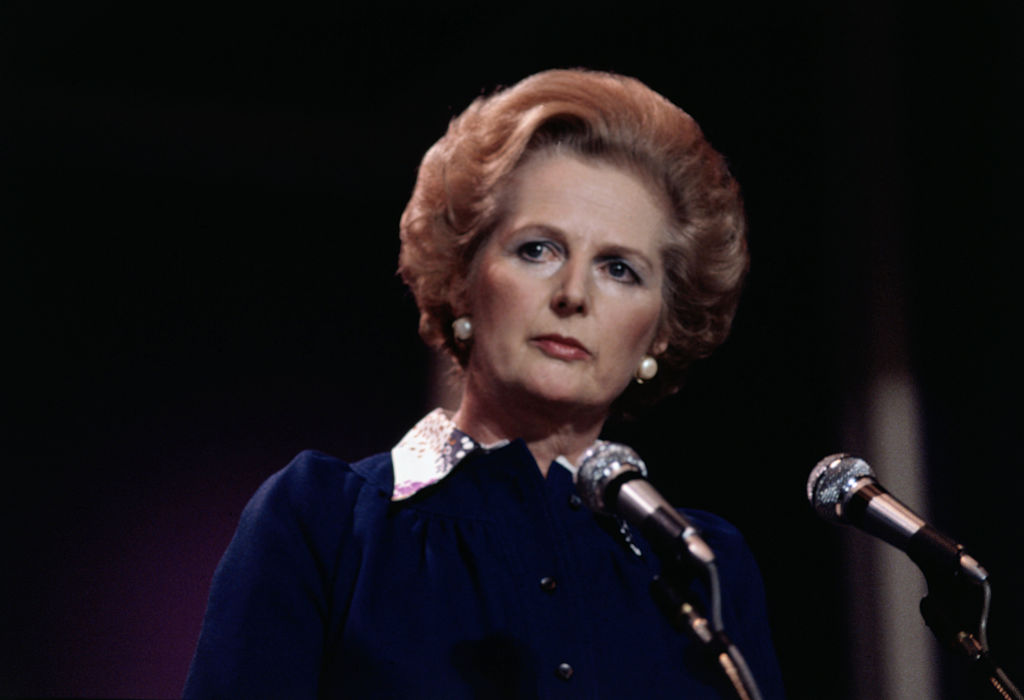
Reform is preparing the case for a “post-Thatcherite” economy, according to former true-blue Tory leadership hopeful Robert Jenrick. His vision includes lower taxes and regulation for businesses, support for ceramics and carmakers, and the scrapping of carbon-emissions targeting.
Putting aside whether cutting regulation and taxes for businesses could be considered post-Thatcherite economics, Jenrick is not the first politician to claim Britain must move on from her economic settlement this summer. Andy Burnham said when he entered Downing Street in July that Britain had made a “series of wrong turns in the Eighties”, and heralded the “most significant change moment in our politics for 40 years”.
Burnham’s argument sounds more radical than Reform’s – he wants to “put life’s essentials back under stronger public control”, and use public procurement as a lever to re-industrialise the economy. But both politicians are at risk of forgetting what made Thatcherism such a revolutionary and enduring settlement in the first place.
It was not just the enactment of privatisations, tax cuts or trade union reforms. Its foundational intellectual case was the belief that economies stagnate when organised interests acquire the power to block change, while shifting the costs onto outsiders. In the Seventies, the obvious targets were trade unions and nationalised monopolies: institutions demanding subsidy while producing stuff that was crap, too expensive, or both.
In modern Britain, the equivalent is more likely to be found inside Reform’s older, property-owning base; not the militant shop steward, but the retired homeowner with a planning objection. They are the ones with concentrated benefits, dispersed costs, and institutional power to prevent competition and new supply.
Reform is well aware of what satisfies its supporter base — and just like the Tories whose support revolved around the same demographic before them, the party placates, rather than challenges, its voters. Only this week, senior Reform MP Richard Tice attacked Labour’s latest planning reforms for allowing ministers to “ram through major housing developments while sidelining residents”. What is Reform for, if the most vital reforms are precisely the ones it refuses to even consider?
The difficulty for Farage is that his coalition contains many of the very insiders Thatcherism helped create: people with assets, security, and a stake in the settlement they inherited. Right to Buy transferred almost two million social homes into private ownership. The policy did not create Britain’s anti-housebuilding coalition, nor are Right to Buy beneficiaries its sole constituency. But it widened the property-owning bloc, expanding the number of voters who benefit from scarcity rather than supply.
That bloc can tell a flattering story about itself: that it worked hard, bought, settled, and earned protection from disruption. But its economic position has changed faster than its identity. The worker became an owner, then a retiree, while the prestige of work remained attached to his identity. That is the constituency Jenrick is courting when he says Reform is “genuinely a workers’ party”. “It is about helping working people,” he said. “And the retired people who have worked hard their whole lives.”
Mitchell Palmer, an economics advisor to Reform appointed by Jenrick, understands this contradiction. He noted that pensioners are “made better off in real terms than workers” by the triple lock policy. Reform nevertheless promises to “protect our pensioners, protect the triple lock”.
Housing tells the same story. A retired homeowner gains from scarcity and a working renter pays for it — often directly into an older landlord’s bank account. The Right once promised to turn workers into owners. It now risks protecting owners from workers.
None of this means Britain should recreate Thatcher’s programme. The blockers have changed because the economy has changed: trade-union power is weaker; property scarcity, pension promises and accumulated housing wealth are stronger. But the harder inheritance is not tax-cutting. It is the willingness to identify the interests obstructing change, then accept the necessary costs of confronting them.
We don’t need to Tell Sid any more. Unions have been defanged. British Leyland is but a velour-upholstered ghost. A serious post-Thatcherism should update Thatcher’s enemies, not abandon her diagnosis.
