









15 July 2026 - 1:00pm
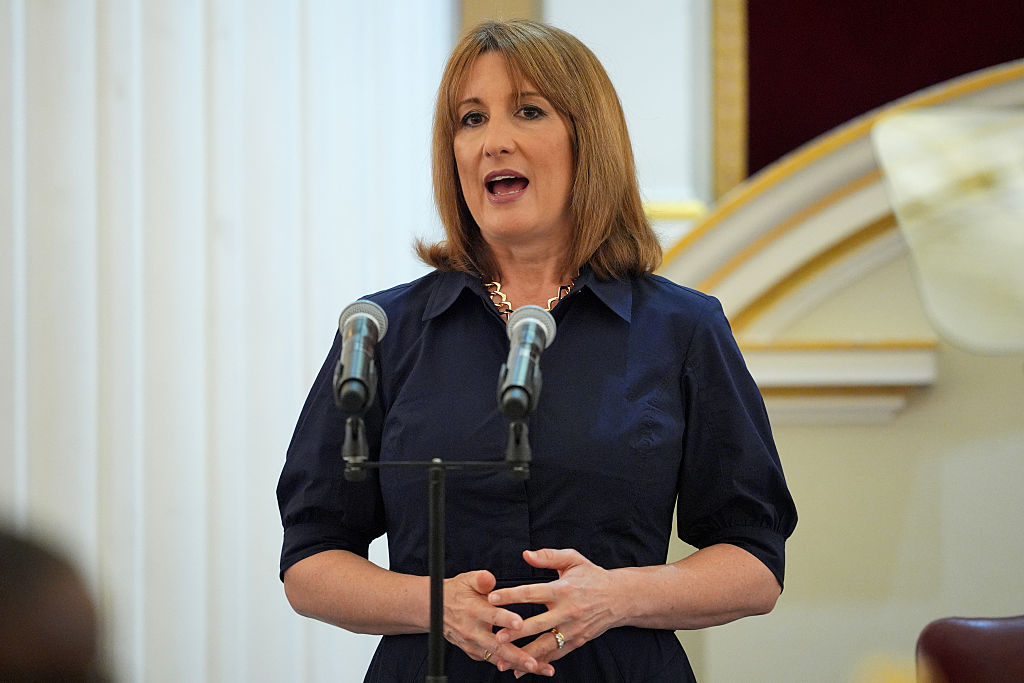
Last night, Rachel Reeves gave what is likely to be her last Mansion House speech as Chancellor. In it, she warned that British institutions have become so good at avoiding visible failure that they are losing the capacity to see what might work better. She was ostensibly talking about financial regulation. But her critique applies just as well to her own government.
For most of her time at the Treasury, Reeves has presented herself as the stability chancellor: the last stand against fiscal chaos and bond-market disorder, whether produced by Labour-Left indulgence or Conservative recklessness. But at Mansion House, she made a criticism that circled back like a boomerang. Credible governments, she warned, eventually lose that credibility when they cannot satisfy the public’s “justified impatience for change”.
Reeves and Keir Starmer never defined the point at which reassurance had done its job and ambitious reform could begin. The Prime Minister reportedly told aides that “there is no such thing as Starmerism, and there never will be.” What once sounded like freedom from dogma now looks like an absence of purpose. There were rules about what Labour would not risk doing, but no equally clear account of what power was for.
The Chancellor’s election tax promises followed the same logic. Labour ruled out increases in income tax, employee National Insurance and VAT, despite facing a Conservative Party heading towards its worst modern result.
Still, the need to increase revenue remained. It returned through employers’ National Insurance, winter-fuel restrictions and inheritance-tax changes that provoked a farming backlash. Rather than make one broad argument and absorb a single large political hit, Labour removed the tax plaster one hair at a time.
The result was a hydra of smaller confrontations. Each created another group that knew exactly what it was losing. The caution that made Labour look safe in Opposition made government less stable: death by a thousand cuts in place of one survivable wound.
Reeves is right that regulators can become so intent on avoiding mistakes that they suppress useful experimentation. The Mansion House reforms may enable more lending and investment, but Britain already has some of the world’s deepest capital markets. The worrying fact is that this money has not translated into enough British projects or firms which investors can back with confidence.
Money is not shy when returns justify the trouble. British projects and growing firms must navigate planning delays, weak infrastructure, political vetoes and the possibility that permission never arrives. Reeves can improve the plumbing of the City, but she cannot make investors enthusiastic about a country organised around preventing visible change.
Starmerism never risked staking out an explicitly political proposition: why its reforms belonged together, which interests would yield, and what success would look like. Reeves now says that government must combine “radical change and economic credibility”. But Starmer’s project treated credibility as something to preserve, rather than political capital to spend.
This is Andy Burnham’s inheritance. His appeal lies in offering what Starmer did not: a recognisable constituency, a clearer account of power and a banner under which Labour might march. Yet he will inherit a manifesto written to avoid exposure, tax commitments he did not choose, and fiscal rules intended principally to reassure markets.
Even what Reeves described last night as a “stable platform for the next prime minister” is double-edged. It may offer Burnham firm ground, but it also marks what Starmerism believed politically safe. The Chancellor has accidentally identified the hollow core of the project she helped build. Burnham must supply the missing political proposition without discovering that risk avoidance has fenced off every route towards it.
