









16 June 2026 - 4:45pm
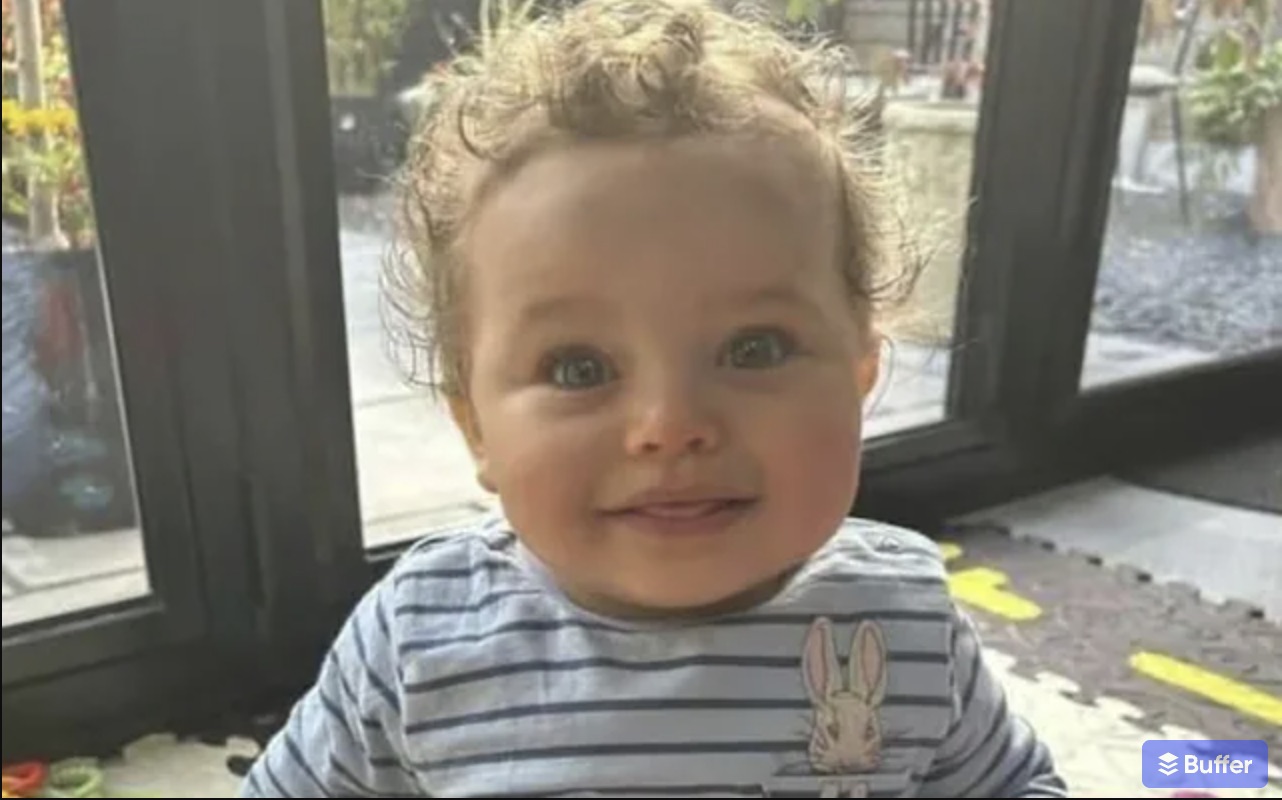
I felt a sickening ache as I read about the murder of 13-month-old Preston Davey. The photo of him smiling, wide-eyed and trusting, is almost unbearable in light of the horror that awaited him. Placed with monsters, he was tortured and sexually abused by the very people the state chose to protect him.
Preston was only nine months old when placed with his adopters, far younger than the national average of three years and two months. With hundreds of adopters desperate for a baby, Jamie Varley and John McGowan-Fazakerley were extraordinarily privileged. They repaid it with savagery.
No pre-adoption vetting, however rigorous, can ever fully guarantee against that kind of evil. The process is intensive: enhanced DBS checks on every household member, interviews with past partners and close family members, in-depth psychological assessments, preparation courses and, finally, a formal panel.
These are not light-touch investigations, but devious people, especially middle-class professionals who know how to speak the language of the system, can still sometimes slip through the net. In Preston’s case, the real failure seems to have been not the checks before placement, but the silence that followed.
Adoptive placements begin with an intensive 10-day handover period. Usually starting with five days in the foster carer’s home, the adopters spend an hour or two with the child on day one, gradually increasing to whole days. The process then switches to the adopters’ home, during which time the foster carer slowly withdraws.
It’s an intensely emotional time, and for a pre-verbal infant like Preston the final handover can be even more bewildering as they try to make sense of why their much-loved guardian has suddenly disappeared. Adopters are encouraged to keep a child’s birth name unless there are safeguarding reasons not to, or to at least choose a name that sounds similar. The decision by Preston’s adopters to change his name to Elijah must have compounded his confusion.
Adopters are warned that their child may grieve their birth family and foster carer. They are advised to keep a transitional object close by — a blanket or T-shirt carrying the foster carer’s scent — to help ease the transition. Having seen the disturbing videos Varley made of Preston falling asleep, then shouting in his face to wake him, it’s hard to imagine him offering even that one small kindness.
The warning signs were there. Sandra Cooper, Preston’s foster carer, reported her concerns that the infant was being hidden from her to a social worker. Bruises appeared, and were explained away. There were even several visits to A&E.
So why were so many red flags missed? Was it down to heavy caseloads and overstretched budgets, or could professional hesitation have played a role? It’s an uncomfortable question, but the pattern is familiar. We saw it with Victoria Climbié and Sara Sharif: a reluctance to apply rigorous scrutiny where protected characteristics are involved, and a paralysis through fear of being labelled prejudiced.
I’ve seen this anxiety up close. When I was fostering a baby girl — I’ll call her Elizabeth — her social worker pulled me aside before a meeting with the adoption team. “They’ve found a match,” she said. “A lovely same-sex couple. Professionals, been together several years.” I was pleased. But I voiced a mild, attachment-based concern: Elizabeth was deeply bonded to me. Would the severing of ties be harder if her new home had no maternal figure in it? The social worker’s tone changed instantly. “I get it,” she whispered, “but don’t say anything in there — it won’t go down well.”
I know many excellent same-sex adopters, and here I was simply raising a specific worry about one child’s transition. It turned out I was worrying unnecessarily, as Elizabeth ultimately thrived with her parents, and with doting grandmothers and aunts around. But the incident stayed with me. If a trusted foster carer feels unable to voice even mild concerns without being silenced, what chance is there when darker suspicions arise?
Soon after being placed with an adoptive family, the child effectively disappears from the state’s radar. Adopters crying out for support are often left to cope alone. Yet the period immediately after placement is when risk is highest — when the child is most distressed, and when new parents are most overwhelmed and prone to post-adoption depression.
Adoption should not be a simple handover. It should be the start of an ongoing relationship between the state and the family it has created, carrying particular responsibilities toward children who have already endured multiple losses. Preston was failed twice: by inadequate oversight after placement, and perhaps also by a culture of caution that may have treated his adopters’ protected status as a reason to hold back when evidence demanded action.
It’s impossible to prevent every evil. But the danger can be mitigated with stronger post-placement support, mandatory welfare visits in the critical early months and, above all, a culture where every professional feels safe to raise concerns without fear of being branded a bigot. Preston deserved to be cherished. The system failed him, and we should do all we can to make sure it does not happen again.