









31 May 2026 - 12:30pm
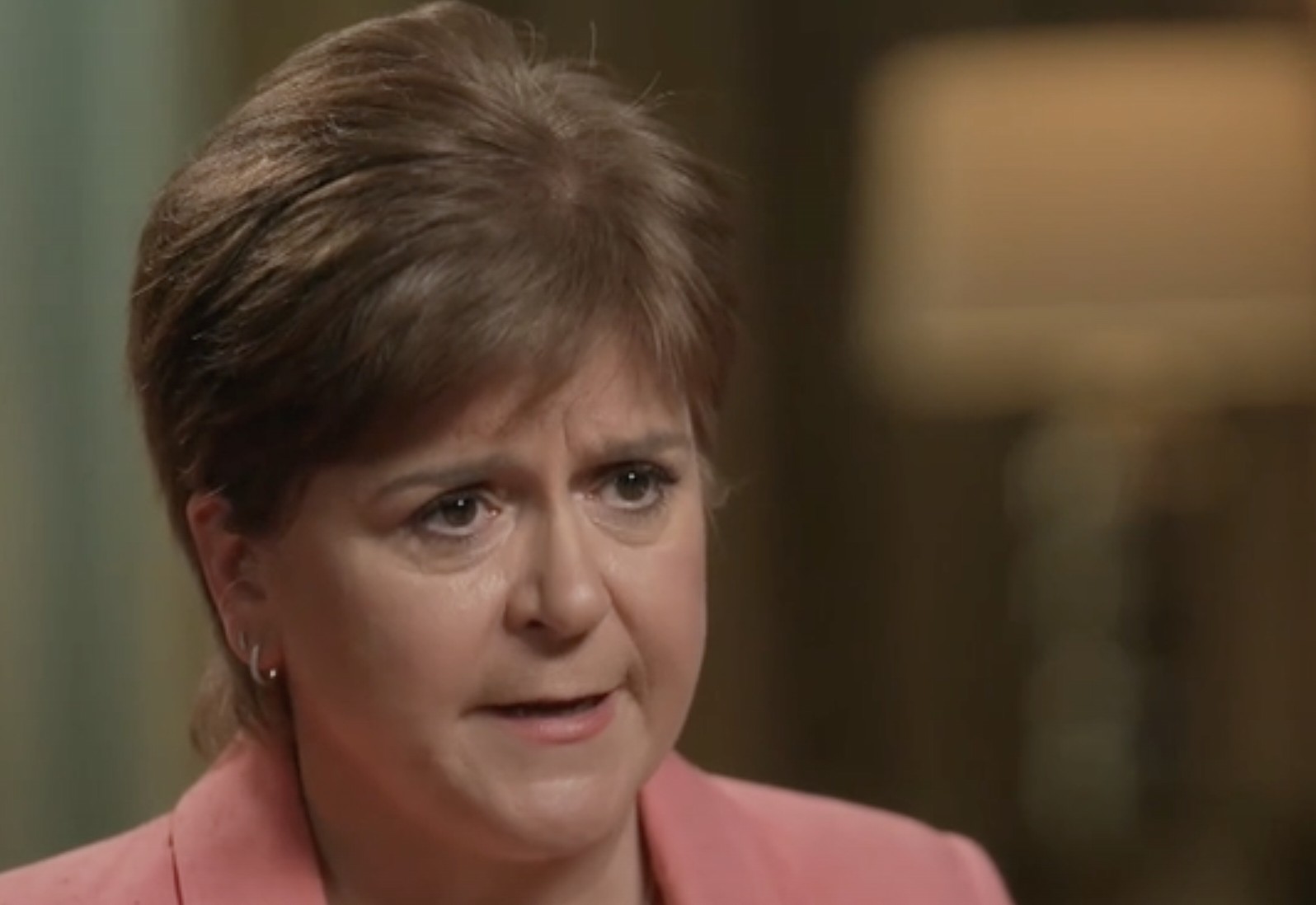
Nicola Sturgeon is trying to take the public for fools. Speaking to the BBC’s Laura Kuenssberg this morning, the former first minister of Scotland described herself as traumatised by the actions of Peter Murrell, her estranged husband and the former Scottish National Party chief executive, who admitted embezzling more than £400,000 from the party. Despite the televised display of dewy-eyed hurt, Sturgeon, who has spent years trading on a reputation for Ayrshire grit and working-class resilience, was at pains to insist she was no victim. Moments later, she suggested she was being judged differently because she is a woman.
Complaints of sexism from Sturgeon must be taken with a pinch of salt, preferably from a Lalique shaker. Promoting her memoir at the Hay Festival this week, Sturgeon lamented what she called “the age-old cry” that when “a man does something wrong, well, the woman must have known about it, somehow it’s her fault”.
As Kuenssberg pointed out, nobody is holding Sturgeon responsible for Murrell’s crimes. They are, however, entitled to ask what she knew. Nobody seriously believes the former first minister masterminded the fraud. The question is whether the then-leader of the SNP, married to its chief executive, really remained oblivious as concerns about the party’s finances swirled around her. Sturgeon’s eagle-eyed ability to detect the faintest trace of sexism is all the more remarkable given that she apparently failed to notice a £120,000 motorhome and a growing collection of luxury furnishings materialising around her.
What makes Sturgeon’s complaint particularly rich is that she spent years trying to diminish the political significance of sex. As the architect of Scotland’s self-identification reforms, she championed the idea that womanhood is a matter of identity rather than biological reality. The public was told that sex was too complex, subjective and unimportant to serve as the basis of law or public policy.
Yet when criticism lands on politicians such as Sturgeon, sex suddenly becomes politically decisive. Recognition of sex is treated as reactionary when women seek single-sex spaces and protections, but indispensable when a politician needs an explanation for unwelcome scrutiny.
Of course, genuine sexism exists. Male politicians do not routinely receive the rape threats or find their clothing choices picked apart by the tabloids, but not every criticism of a woman is sexist. Being scrutinised, challenged and judged on one’s actions when in office are not burdens uniquely imposed on women. They are the price of power.
By lazily attributing legitimate criticism to sexism, Sturgeon risks strengthening the very stereotypes she claims to oppose. Every time accountability is recast as misogyny, it sends the message that women are uniquely unable to withstand the scrutiny that accompanies public life. It is a dangerous game to play, not least because it sends a message to every genuine sexist out there that women in public life can’t stand the pressure.
In the end, Sturgeon asks us to believe two things at once: that she is the embodiment of a strong female politician yet traumatised by events beyond her control, and that sex is too nebulous to organise public life around yet important enough to explain her own treatment. Neither claim is especially convincing.
