









20 September 2026 - 8:00am
From disturbing documentaries to chart-topping podcasts to TikTok deep dives, our collective appetite for true crime remains insatiable. Over a decade on from the genre-defining Making a Murderer and Serial, audiences still crave this gory, gossipy, grimly titillating underworld in which serial killers lurk in suburban basements.
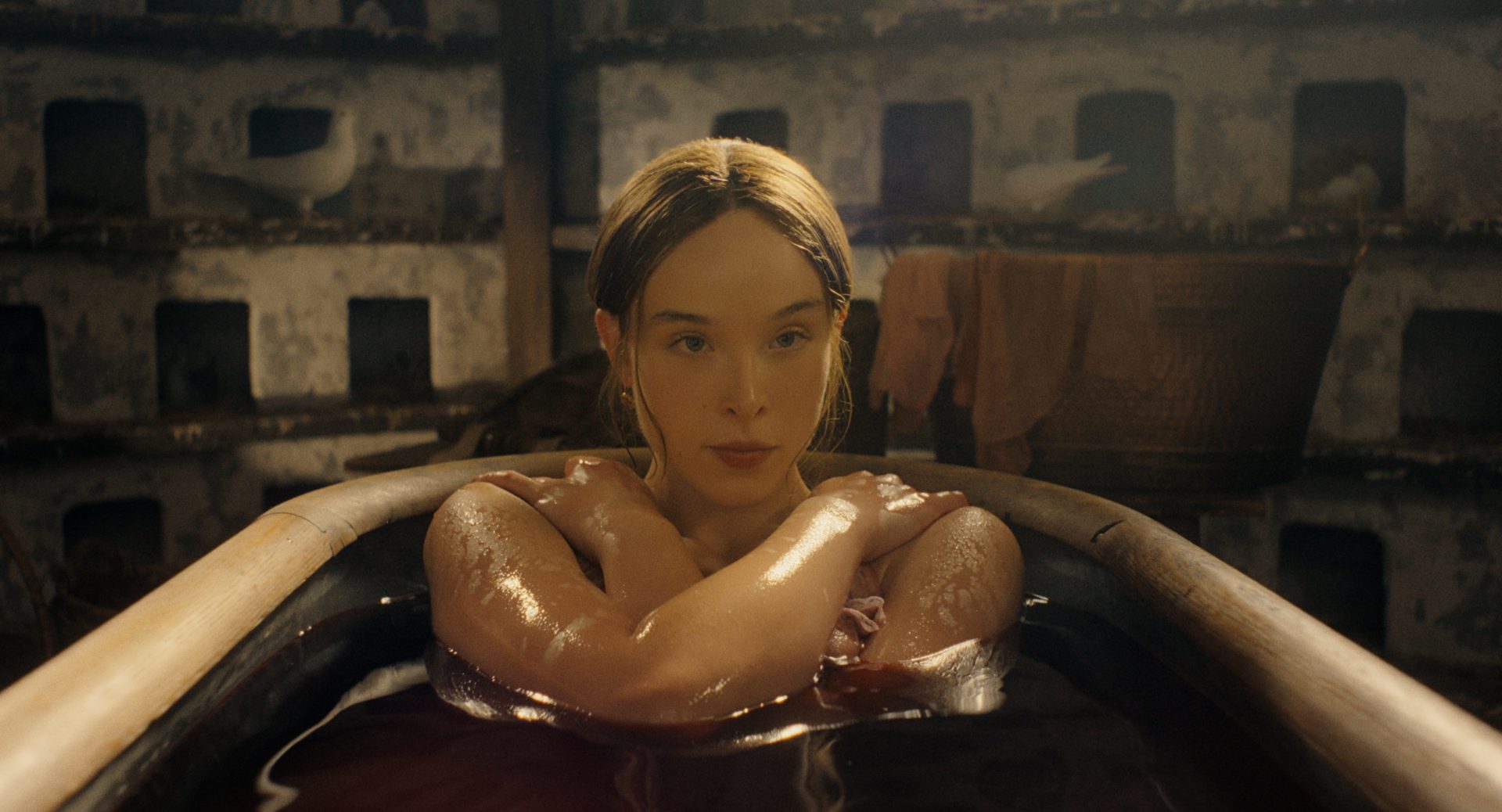
On Thursday, Netflix — which already hosts hundreds of programmes transforming real-life violence into glossy, sexualised entertainment — released the latest instalment of its hugely successful Monster anthology series, this time focusing on the 19th-century accused axe murderer Lizzie Borden. Many have criticised the “Marvel-style” trailer used to promote the show, with the close-up “reveal” of each new killer and the tagline “Get ready to meet the next monster” making viewers feel like they are about to choose a new Avengers antagonist, rather than be vicariously exposed to some of the worst crimes imaginable.
The show — and the Netflix true-crime genre in general — is already mired in controversy. Monster has been accused of romanticising murder by casting Hollywood actors such as Charlie Hunnam to play serial killers. The families of those involved say the programme is at best casual with the truth, with the Menendez family criticising Netflix for creating a “grotesque shockadrama… riddled with mistruths and outright falsehoods” such as implying that the brothers were in an incestuous relationship.
Sometimes the families are not consulted at all, or the series goes against their wishes despite the obvious trauma. Mindy Pendleton, stepmother of murdered Robert Mast, wrote to the Netflix producers of I Am A Killer, a docuseries interviewing Death Row inmates convicted of capital murder, pleading: “As a parent, as a fellow human being, I beg you not to do this.” In this kill, stream, repeat business model, the human tragedies at the centre of these stories become mere footnotes.
In a crowded streaming market, Netflix is seemingly leading the race to the bottom as it becomes ever more adept at misselling lurid exploitation as serious drama. The platform has even commissioned a reality series called The New Stanford Prison Experiment, proving its commitment to coming up with increasingly creative ways to allow audiences to sit and watch the suffering of others from the comfort of their bedrooms. It promises a “study on the psychology of incarceration”, but it’s hard to shake the feeling that Netflix’s intentions are less about scientific discovery than about broadcasting a form of human torture.
Where does this morbid curiosity end? The online and offline worlds are both already full of stomach-churning stunts. In this competition for clicks, true-crime influencers already try to outdo each other by posting “get ready with me” videos in which they forensically analyse gruesome case details while applying their make-up. True-crime fanatics can already visit grotesque exhibitions such as Mind of a Serial Killer: The Experience, in which they’ll witness replicas of bloodied bathrooms and bodies stuffed under floorboards. They can already pay upwards of £250 to go to one of the many international CrimeCon events, in which they can meet their “favourite true crime content creators”, or even holiday on an “immersive” CrimeCruise.
This fad shows no signs of fading anytime soon. So long as there is money to be made, the entertainment industry will have to find increasingly unethical ways to give armchair detectives their thrills — no matter the human cost.
