









30 March 2026 - 1:00pm
Iran continues to expand its attacks on regional energy infrastructure, while maintaining its effective closure of the Strait of Hormuz chokepoint. At the same time, Tehran shows no interest in US offers of a ceasefire that would neutralise its nuclear and ballistic missile threats. Now joined by missile attacks on Israel by Houthi forces in Yemen, the Iranian military leadership clearly senses that it retains the initiative.
This is a problem for President Trump, who clearly wants to end this war so that he can bring relief to the US economy. As the midterms approach, Trump and Iran both know that the war is likely to become an increasing political weight on the Republican Party’s back. The US President said on Sunday night that he is ready to seize the major fuel hub of Kharg Island in order to force Iran into a more compliant negotiating position, following a tentative escalation in attacks on the country’s power network at the weekend.
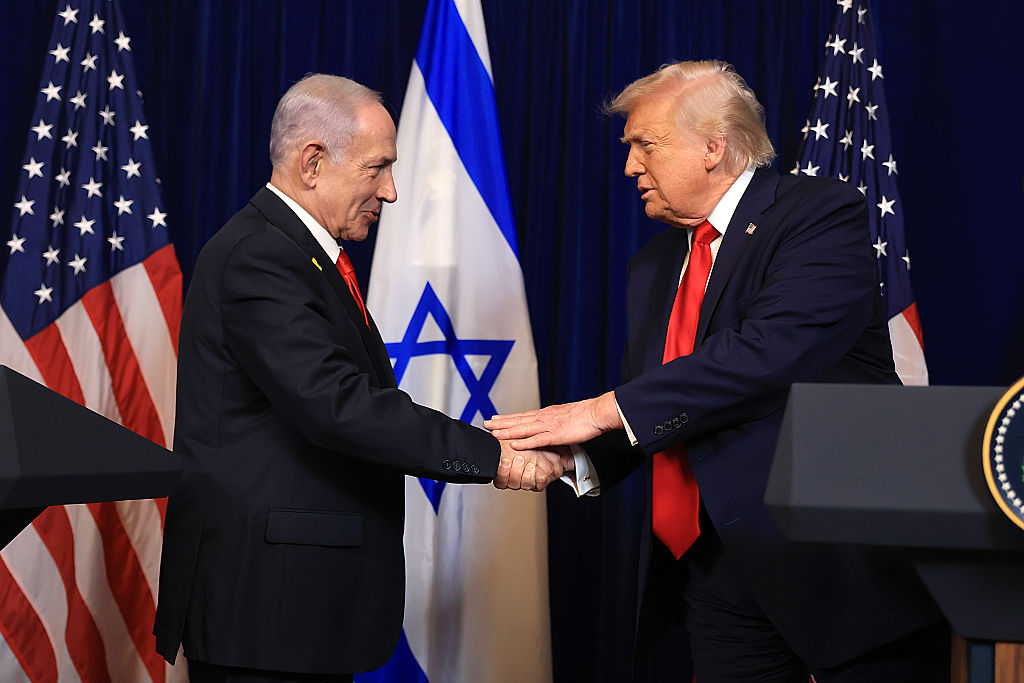
But Trump faces another challenge in this regard. Namely, that Israeli Prime Minister Benjamin Netanyahu has a very different sense of how to conduct the war.
From Netanyahu’s perspective, the Iranian regime is under unprecedented pressure and should be pummelled with the full weight of Israeli and US military power. Bibi does not want to waste this opportunity of full-scale American military engagement, perceiving that it is unlikely to come again anytime soon. Crucially, however, unlike the US, which would have to manage the humanitarian, political and security implications of such a scenario, Israel would be more amenable to state collapse or a chaotic civil war in Iran. This makes Netanyahu willing to keep escalating in the belief that whatever follows, however chaotic, will be in his country’s interest.
Netanyahu also senses that America’s involvement in this war gives him latitude to confront other Israeli enemies. At the weekend, Israel ramped up its ground combat operations in southern Lebanon, an action designed to degrade Hezbollah of its military power and ability to strike northern Israel with rockets and missiles. But this move risks further destabilisation in Lebanon, to the point where the Trump administration is unlikely to support expanding the campaign.
The White House is also growing impatient over the Netanyahu government’s seemingly perpetual tolerance for violence in the West Bank by hardline Israeli settlers against Palestinians. Trump and his administration want to avoid a multiple-front war in which any ceasefire would require the resolution of multiple conflicts. Netanyahu, sensing an opportunity to make history and beholden to the support of far-Right coalition partners at home, is pushing hard to see whether and where Trump will stop him. He wants a ceasefire to be harder rather than easier.
It’s a risky gambit. The war in Iran is already unpopular with Americans. That sentiment will only grow as the conflict drags on, energy prices continue to hit home, and the prospect of a peaceful resolution appears more distant. Trump is always unpredictable and always ultimately self-serving. If he decides Netanyahu is jeopardising his position to advance an independent agenda, the result could be a painful snapback.
