









1 June 2026 - 7:00am
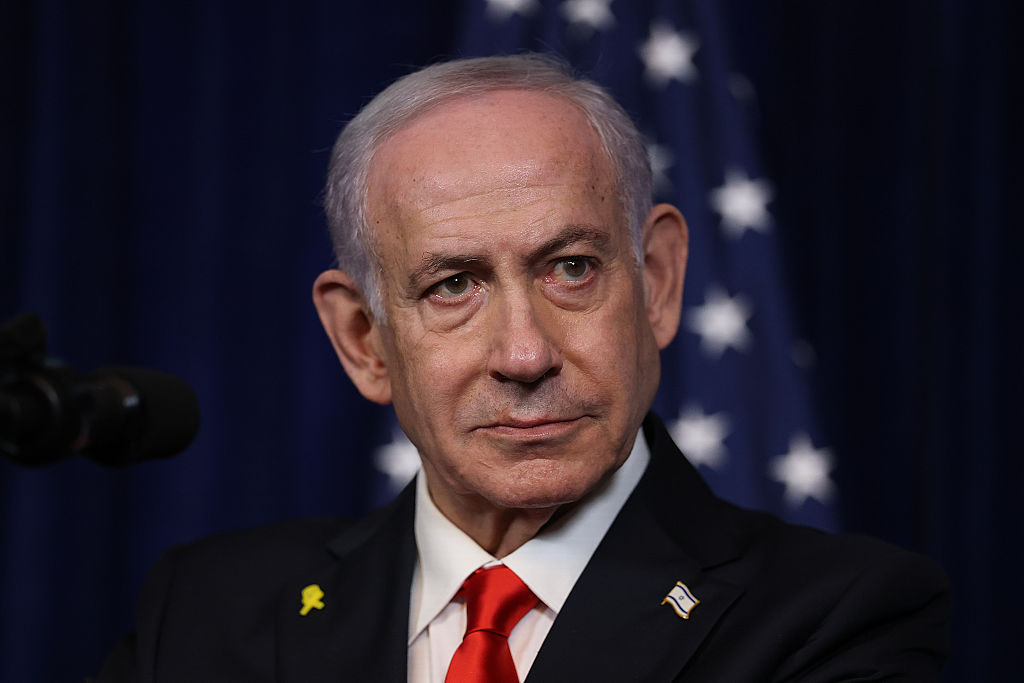
President Donald Trump’s relationship with Benjamin Netanyahu is growing increasingly strained thanks to disagreements over the Iran war. The clearest sign of these tensions is the escalation of Israeli military activity against Hezbollah in southern Lebanon. Over the weekend, Netanyahu ordered an expansion of the offensive against the militant group, and Israeli forces captured a notable 12th-century Crusader castle in an important strategic position. The Trump administration has put pressure — even if it has been limited — on Israel to reduce its military activity in Lebanon. Instead, Israel is doubling down.
Hezbollah started the current conflict by launching attacks against Israel following the killing of former Iranian supreme leader Ayatollah Ali Khamenei at the start of the Iran war. But perceiving an approaching US-Iran deal to end the war, Israel is now rushing to maximise its destruction of the group. Israeli forces have advanced the furthest into Lebanon since they withdrew from the country in 2000. They are also seizing positions from which to exert pressure on Hezbollah, even if a US-Iran deal is reached.
Additionally, because of the symbolic value that many of these positions hold for Hezbollah, Israel is likely using them to establish pressure points for the future. Israel’s greatest fear is not that the Iran war will end without regime change, but that it will end with a messy nuclear compromise, and a détente in US-Iran relations that leads Trump to limit fundamentally Israel’s freedom of action against Iran. By pressuring Hezbollah with the physical occupation of territory it prizes, Israel may hope to provoke further action by the group following any US-Iran deal, and thus retain military flexibility in the future.
All of this reflects the growing strategic misalignment between Trump and Netanyahu. The US President plainly wants a durable peace deal that sees the Strait of Hormuz reopened and Iran’s nuclear programme subjected to a new restrictions protocol. In return, Iran could receive immediate sanctions relief and further economic aid tethered to its cooperation on nuclear issues.
Netanyahu simply wants the war to continue. His objective from the very start has been a regime-change operation. He convinced Trump that a short, sharp military operation would see the Islamic Republic fall. Netanyahu knew that only the US military could accomplish that objective. Emboldened by the successful Delta Force operation to capture Venezuela’s Nicolás Maduro, and ignoring US intelligence scepticism of Netanyahu’s claims, Trump pulled the trigger.
But that was then. Today, with the regime showing capacity for survival and popular Iranian uprisings absent, Trump wants out. He knows that the Strait of Hormuz is causing global economic friction and driving up US petrol prices in advance of the midterm congressional elections.
The problem for Netanyahu is that the influence of war hawks in the Trump administration who want the conflict to continue is limited. American public opinion has soured against the war, and so has Trump. While Iran has suffered significant damage to its military, nuclear, missile and drone capabilities, those capabilities have not been eliminated, and the regime remains stable. It’s also true that ending the Iranian regime would almost certainly require many months of further military action and likely a need for ground operations.
Netanyahu has long centred his domestic political narrative on being able to influence the US in support of Israeli objectives. That narrative is now coming to an end. And with Israeli elections beckoning, Netanyahu is in trouble.
