









13 January 2026 - 7:00am
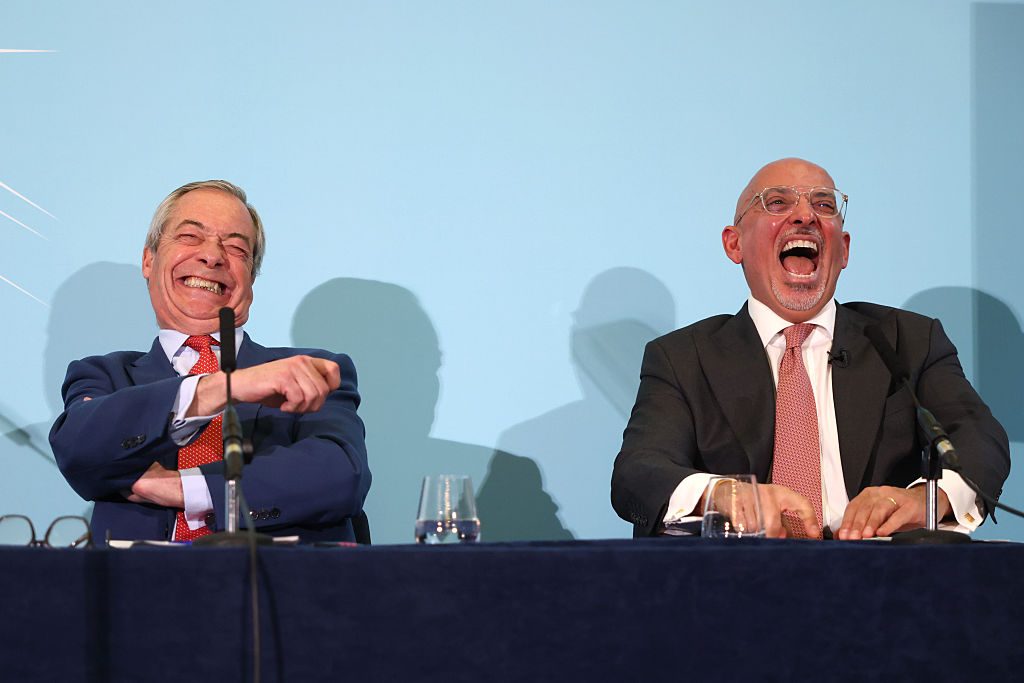
Nigel Farage once said of Nadhim Zahawi, the erstwhile Chancellor under Boris Johnson, has “no principles” and is “only interested in climbing the greasy pole”. Zahawi’s appearance at Farage’s side yesterday, hailing him as Britain’s next Prime Minister, suggests Farage was right.
This is the same Zahawi who, in now-deleted 2015 tweets, called Farage “deeply racist”, compared his rhetoric to Goebbels, and said he would be “frightened to live in a country run by” him. So, why did Farage welcome him?
The former Tory ought to be the living embodiment of everything Farage claims to despise. Not only did he champion vaccine passports during Covid, but he was sacked as Conservative Party chairman after concealing an HMRC investigation into his tax affairs. He is the very product of the system that Reform ostensibly exists to overthrow.
Reform presents itself as the antidote to the interchangeable managerialist consensus that has dominated Britain since 1997. Labour or Conservative, the promises are the same, and so are the failures, the argument goes. For more than two decades, Farage has thrived in this environment, cultivating a brand built on being outside that system. But as he inches closer to power, it seems that he has become what he once denounced.
If Reform is serious about winning power, it cannot rely on Tory defections. It must focus on recruiting from outside politics to preserve its outsider appeal. Richard Tice, for instance, had no Conservative or Labour background and entered frontline politics through the Vote Leave campaign in 2015.
In September, Reform UK’s Head of Policy, Zia Yusuf, floated the idea of a US-style Cabinet, where key ministerial posts could be filled from outside the Commons, via the Lords. If that vision is genuine, Reform must now actively court Britain’s top CEOs, business leaders, and startup founders — talent entirely unconnected to the entrenched uniparty model.
There are obviously downsides to this approach. Building a party from scratch without the infrastructure to vet candidates properly has proven damaging: the party’s former leader in Wales is now imprisoned for taking Russian bribes, and other councillors face serious misconduct allegations.
The party, then, needs to act fast and have the right people in place before the next election, whenever that may be. The more 2019 Tories that Reform takes on, the greater their prominence within the party. This will do little to reassure many in the country who explicitly voted to get those same people out of office.
Even Reform’s recently announced London mayoral candidate, Laila Cunningham, says she is “sick and tired” of Conservatives who “haven’t atoned for their sins”, despite herself previously being a councillor for the Conservatives. Zahawi certainly hasn’t atoned. He hasn’t even apologised, and it appears he chose this as the politically opportune moment to change sides.
If Reform wants to maintain any credibility as an alternative, it must demonstrate that it can stand apart from the same failures it claims to oppose — otherwise, it risks becoming little more than a repackaged version of the establishment it criticises.
